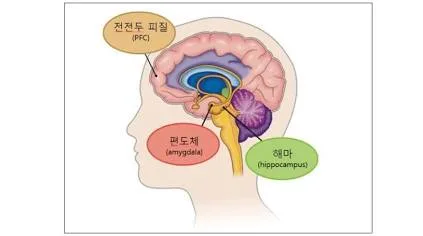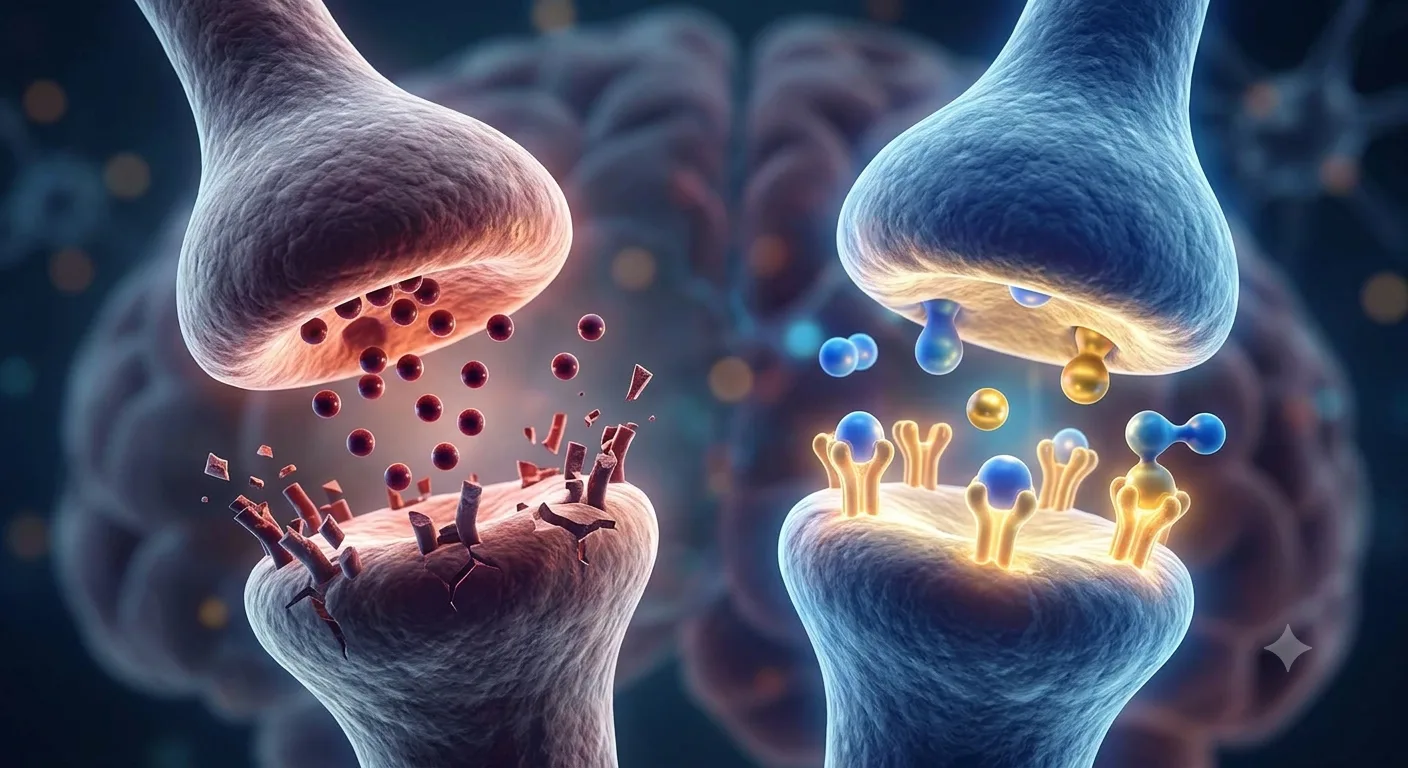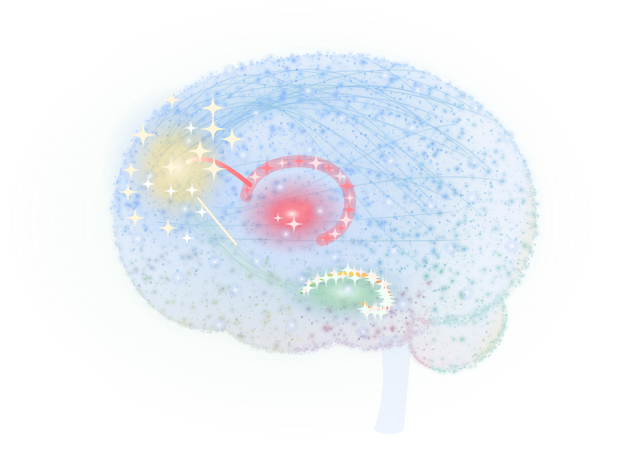
A modern 3D medical illustration of the human brain on a clean dark background. The prefrontal cortex and hippocampus glow with good habits, and light moves from the prefrontal cortex to the red basal ganglia as a habit settles in, showing positive change

Understand your brain,
and your day changes

Changing life for the better through the brain, the mind, and our habits. We unpack complex brain research in plain language and turn it into something you can try today.

Latest

Why Does Envy Hurt? In Shakespeare's Othello, the Brain Felt Envy as Pain

The sting of envy is not just in your head. When people felt they had fallen behind someone else, a pain-related brain region, the anterior cingulate cortex, became active (Science, 2009). The same pain becomes benign envy that drives growth when it lifts you up, and malicious envy that leads to ruin when it pulls others down. Following Iago in Shakespeare's great tragedy Othello, we trace where the two split and offer three steps to turn envy into fuel for growth.

18 min read

All posts 61 posts

  1. Why Does Envy Hurt? In Shakespeare's Othello, the Brain Felt Envy as Pain

    The sting of envy is not just in your head. When people felt they had fallen behind someone else, a pain-related brain region, the anterior cingulate cortex, became active (Science, 2009). The same pain becomes benign envy that drives growth when it lifts you up, and malicious envy that leads to ruin when it pulls others down. Following Iago in Shakespeare's great tragedy Othello, we trace where the two split and offer three steps to turn envy into fuel for growth.
    18 min read
  2. If Genes Are Selfish, Why Do We Help Others? Givers Were Happier

    The way you treat others comes back to you. Using kin selection and Tit for Tat from Richard Dawkins's The Selfish Gene, together with studies in Science and PNAS, we explain why money spent on others makes us happier and why the brain processes another person's pain like our own, plus a three-step plan you can start today.

    16 min read
  3. Using Your Brain Hour by Hour: A Guide to a Better Day Than Yesterday

    Your brain isn't in the same state all day. Right after waking, cortisol rises to get the body going; focus is best a few hours later as body temperature rises; performance dips after lunch and in the late afternoon; and bright light at night delays the sleep signal. Based on eight studies in journals such as PNAS, Psychological Science, and Sleep, here is how to use your brain at each time of day, from morning until bedtime.

    10 min read
  4. Are Longer, Unbroken Walks Better? 15-Minute Walkers Had a Third of the Heart Risk

    We read two studies side by side: PLA2G2F, a brain enzyme that protects memory even when Alzheimer's pathology is present (Nature Neuroscience, 2026), and an observational study finding that people who took most of their steps in unbroken bouts of 15 minutes or more had a lower risk of death and cardiovascular disease (Annals of Internal Medicine, 2025). We separate what has been shown from what is still unknown, and lay out three evidence-based walking steps.

    13 min read
  5. What's the Surest Way to Raise BDNF? A Year of Exercise Grew the Hippocampus 2%

    Every human activity linked to BDNF, the brain's fertilizer, checked against studies in PNAS, Nature, Cell and eLife: exercise, dance, learning, reading, meditation, sleep, sunlight, food and meal timing. We rate the strength of the evidence, show how long each takes to work, and illustrate how the brain actually changed.

    17 min read
  6. Can You Build Resilience? A Stressed Brain Recovered a Month Later

    Resilience is not a personality you're born with but a strength of mind you can train. Drawing on the key ideas of Professor Kim Joo-hwan's Korean book Resilience and on studies in Nature, Cell, PNAS and Nature Neuroscience, we explain how resilience is built in the brain, how it shapes achievement and learning, and a three-step training plan you can start today.

    15 min read
  7. How Do Magnesium Types Differ? Magnesium Oxide Absorbed Only 4%

    How well magnesium is absorbed, and what it is good for, depends on the molecule it is paired with. In one study only about 4% of magnesium oxide was absorbed, while magnesium citrate was absorbed best of the forms compared (Magnesium Research, 2001 and 2003). Here is the path each form takes in the body, and what the upper limit set by the US National Institutes of Health (350 mg a day from supplements) means.

    18 min read
  8. Why Does Memory Hold Up in Some Aging Brains? An Enzyme Switches On With Age

    In people whose memory stays sharp with age, a fat-breaking enzyme called PLA2G2F was more active. Drawing on an October 2026 Nature Neuroscience study, we explain how the hippocampus's 'backup generator' protects memory, and lay out a three-step habit for looking after your hippocampus starting today.

    8 min read
  9. Can Breathing Ease Anxiety? Five Minutes of Sighing a Day Lifted Mood More Than Meditation

    Breathing is one of the few handles we have on the brain's state of arousal. Drawing on studies in Science, Nature, the Journal of Neuroscience and Cell Reports Medicine, this essay explains how breath shapes anxiety and focus, and offers a three-step breathing habit you can start today.

    11 min read
  10. Which Hobbies Slow Brain Aging? Piano Helped, but Language Classes Didn't

    New, slightly challenging hobbies can improve some cognitive skills even later in life. Older adults who learned piano for six months improved on tests of attention switching and processing speed (Aging & Mental Health, 2007). But older adults who took language classes for 11 weeks showed no change in memory (Psychology and Aging, 2020). For lowering dementia risk, overall lifestyle, including social contact, hearing, and exercise, mattered more than any single hobby (Lancet, 2024).

    8 min read
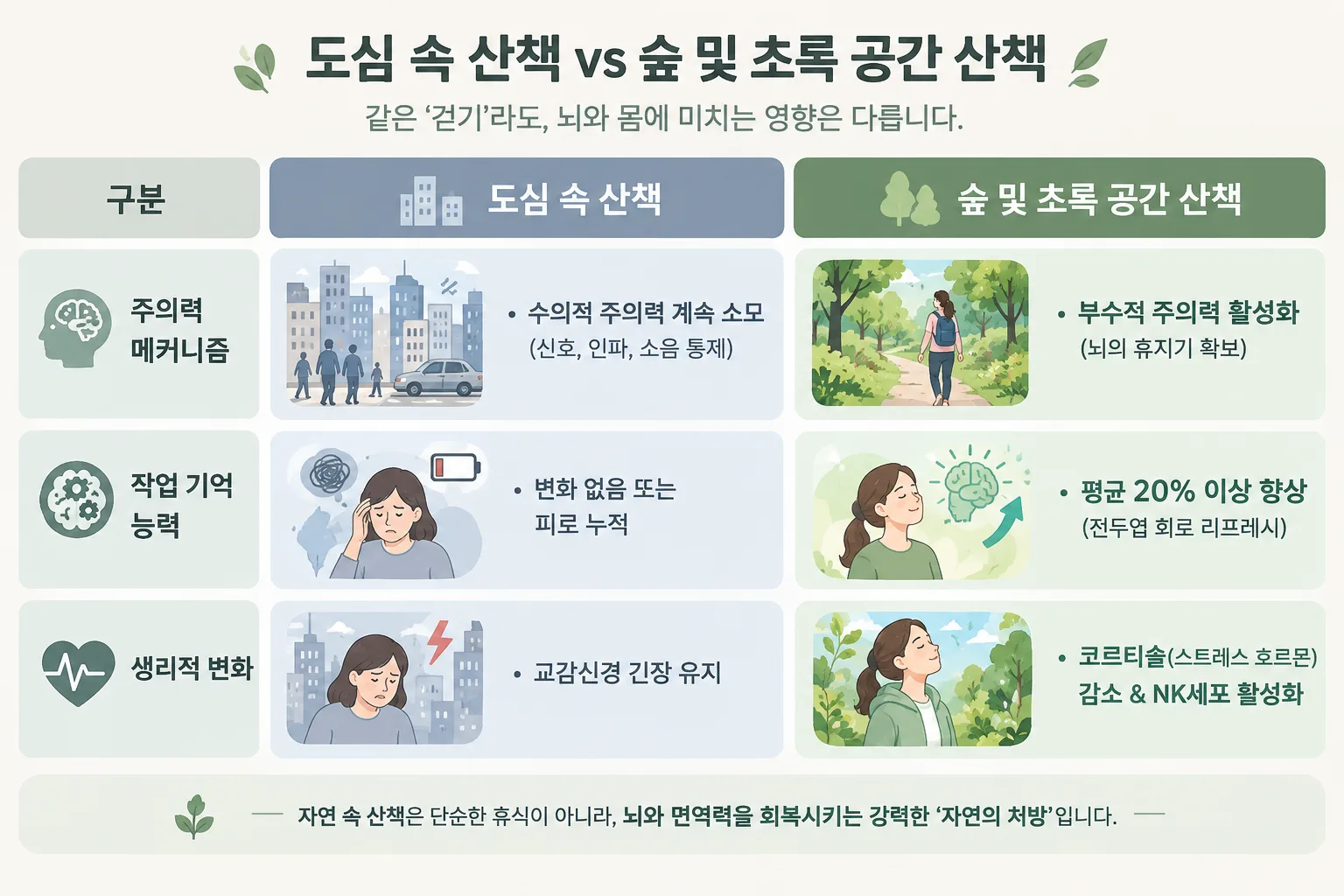
  11. Is a Walk in Nature Really Good for Your Brain? Stress Hormones Fell Within 20 Minutes

    A walk in nature can genuinely restore attention and mood. When 36 city dwellers spent time in nature over eight weeks, the stress hormone cortisol fell most efficiently when they stayed 20–30 minutes (Frontiers in Psychology, 2019). People who walked in a park for about 50 minutes improved more on an attention test than people who walked downtown (Psychological Science, 2008). But claims like '15 minutes reboots the brain' and 'houseplants purify the air' had weak support, so I've corrected them.

    10 min read
  12. Is Strength Training Good for the Brain? The Stronger People Got, the More Their Cognitive Scores Rose

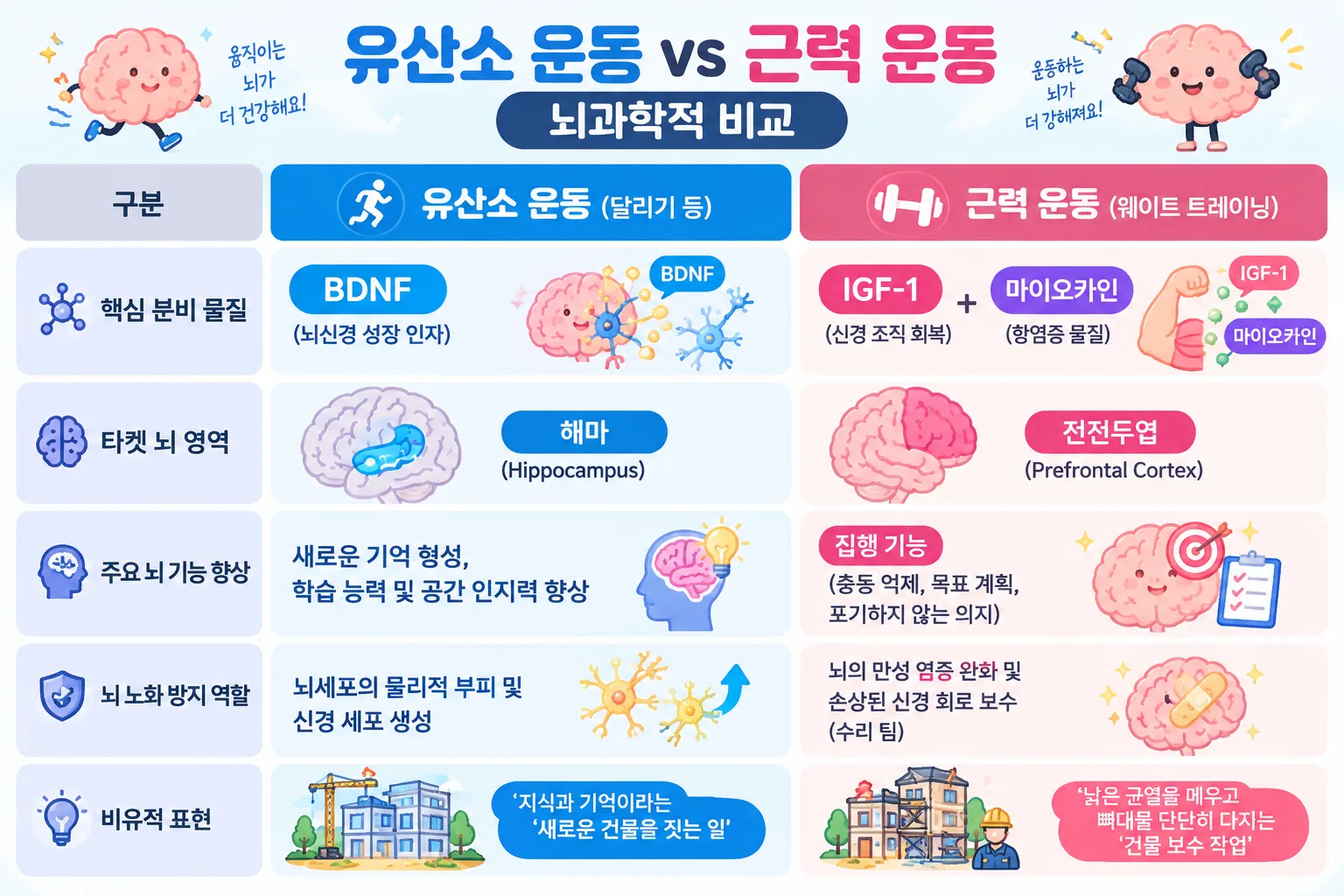
    Strength training helped the brain too. When older adults with mild cognitive impairment did strength training for six months, their cognitive scores rose, and those whose strength rose most improved most (Journal of the American Geriatrics Society, 2017). In a meta-analysis of people over 50, both strength and aerobic training improved cognition (British Journal of Sports Medicine, 2018). Summarized with my experience of adding weights to running.

    8 min read
  13. Can You Beat Burnout with Willpower? Changing the Environment Worked Better Than Resolve

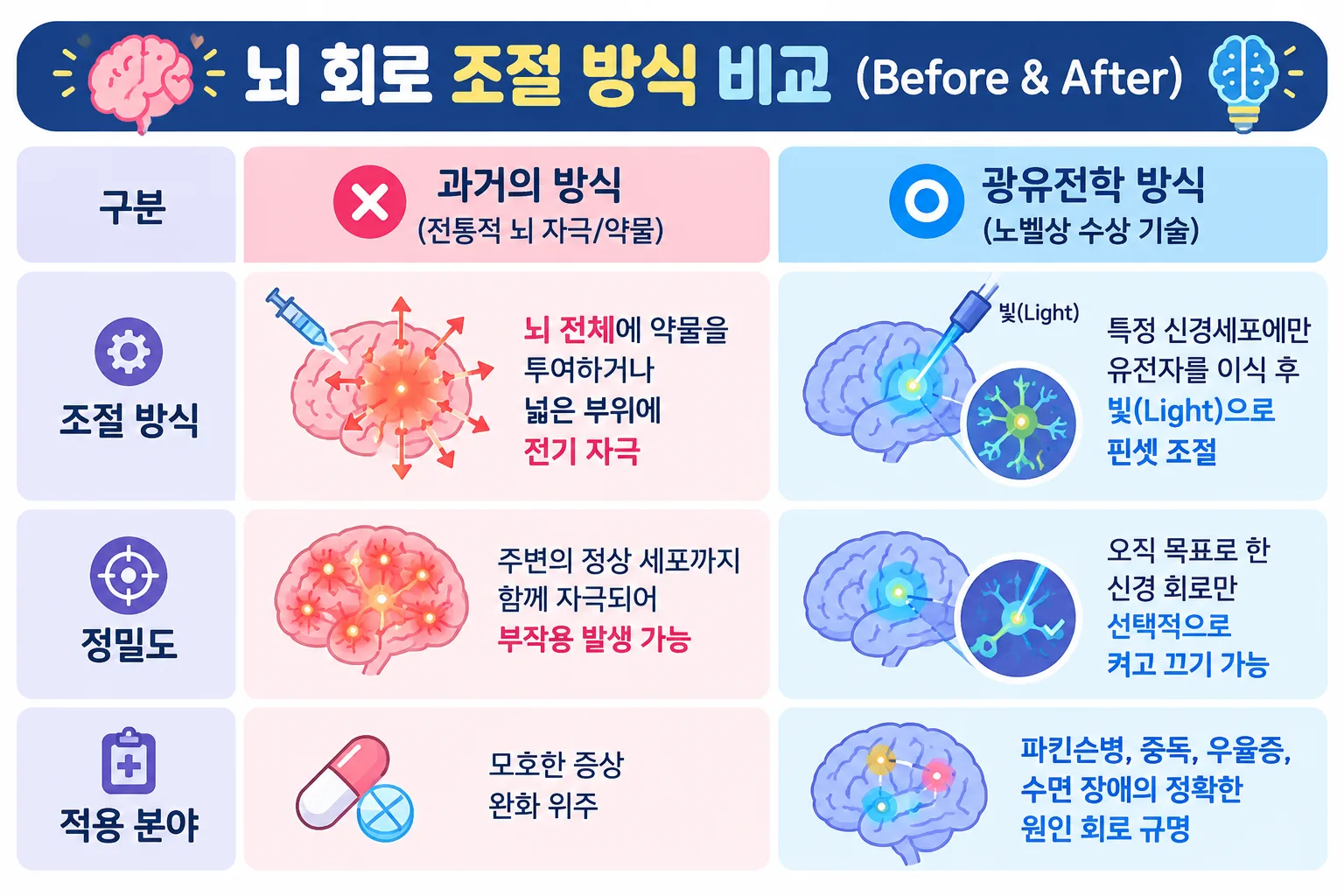
    Burnout is hard to beat with willpower alone. In an analysis of studies involving 1,550 physicians, changing work schedules and structures reduced burnout more than twice as much as approaches aimed at the individual (JAMA Internal Medicine, 2017). Alongside the 'circuit switch' story of optogenetics, which won the 2026 Nobel Prize, here is how I got out of burnout by changing conditions instead of making resolutions.

    11 min read
  14. Do Video Games Make Your Brain Better? Pro Gamers Made Half the Errors

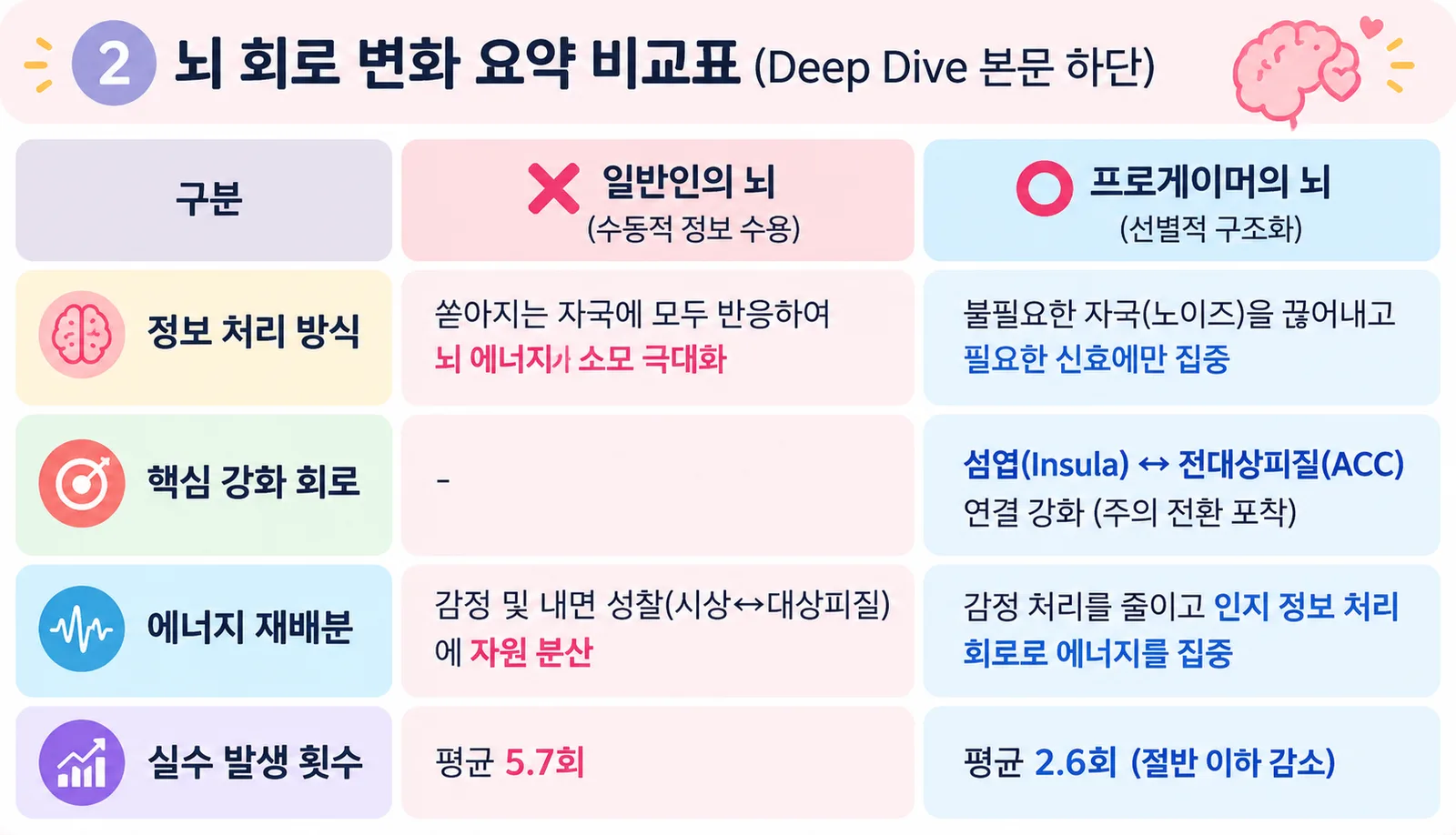
    Games can sharpen some kinds of attention, but playing longer doesn't make your brain better. 23 LCK pro gamers made less than half as many errors as non-gamers at moments when they shouldn't respond, and had stronger connections between the insula and anterior cingulate cortex, which catch attention (Scientific Reports, 2026). But the study compared people at a single point in time, so it can't tell us whether gaming caused this. Here is that study alongside game-training experiments and research on how practice is structured.

    10 min read
  15. Does Focusing on the Muscle Make It Grow More? Arm Muscles Grew Nearly Twice as Much

    Focusing on a muscle while training could make that muscle grow more. People who focused on 'squeezing the muscle' for 8 weeks grew their arm muscles nearly twice as much as those who focused on 'lifting the weight' (European Journal of Sport Science, 2018). But for performance, like jumping high or lifting heavy, focusing outside the body worked better. Summarized with research on learning through the body and my experience of getting hurt at the gym.

    9 min read
  16. Does Sunlight Improve Focus? People Who Got More Daylight Were More Alert

    People who got more bright light during the day were more alert and responded faster. In a study measuring 58 adults' everyday light exposure for a week, those with bright days and dark nights did better on cognitive tasks (Communications Psychology, 2023). Office workers sitting by windows got far more daylight and slept longer at night (Journal of Clinical Sleep Medicine, 2014). Summarized with my experience of switching to morning runs.

    7 min read
  17. Hormesis: Can a Poison Be Medicine? In Dementia Mice, a Low-Dose Toxin Helped the Brain Clean Up

    Hormesis is when a small amount of stress actually strengthens the body's defenses, and an example came from dementia mouse experiments. KIST researchers announced that quinolinic acid, known as a neurotoxin, boosted the cleanup ability of brain immune cells at low concentrations. But it was a mouse study, and in people there are results showing hormesis is more delicate than expected, like antioxidants blocking the benefits of exercise (PNAS, 2009).

    8 min read
  18. Can Brain Inflammation Cause Fatigue? Inflammation Alone Lowered Motivation

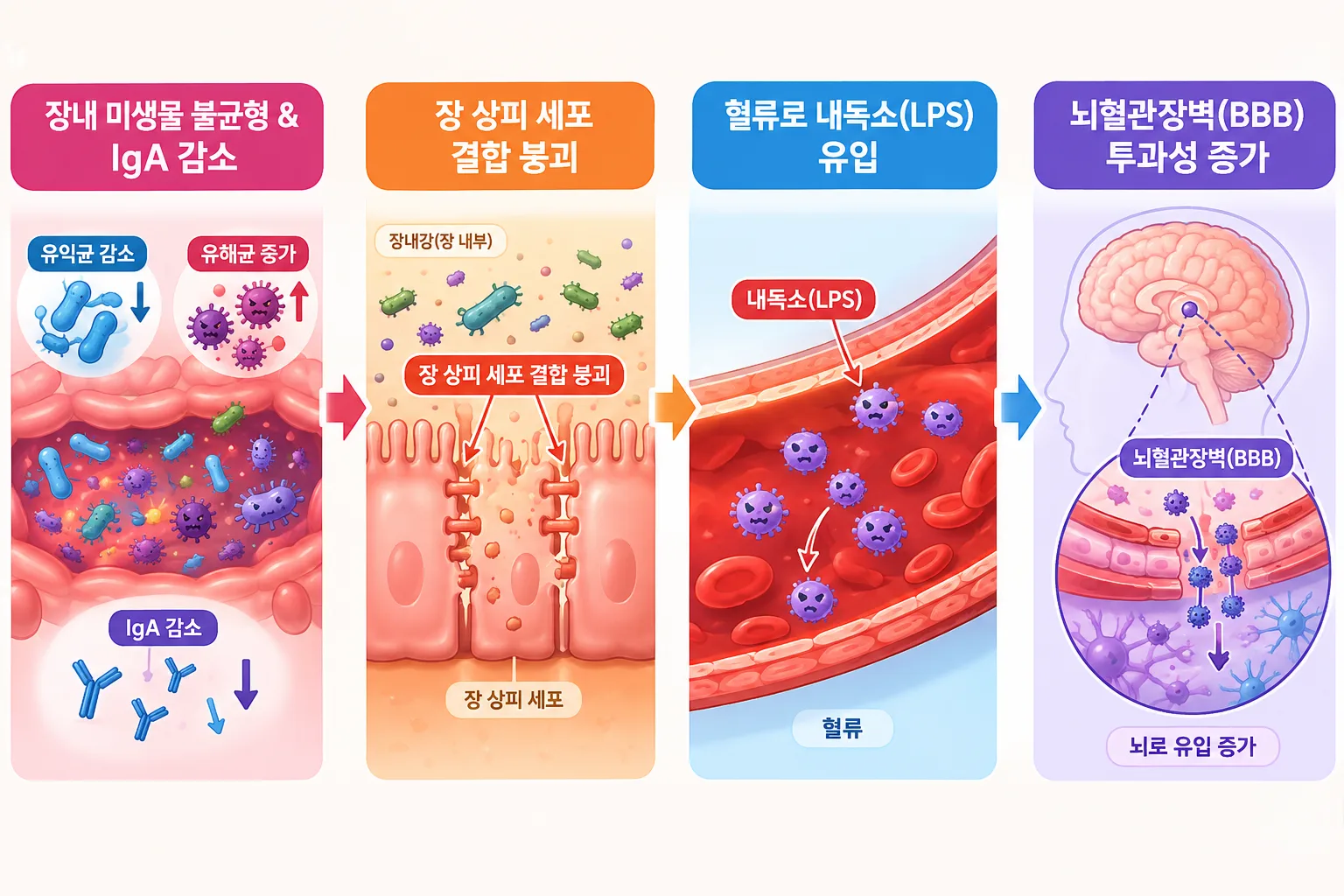
    Inflammation in the body can genuinely lower mood and motivation. When healthy people received a tiny dose of a substance that triggers an inflammatory response, they felt more depressed and their brains responded less when anticipating a reward (Biological Psychiatry, 2010). People who ate more fermented foods for 10 weeks saw 19 inflammatory markers fall (Cell, 2021). But claims such as '90% of brain cells are glia' and 'leaky gut is the root cause of brain inflammation' were overstated, so I've corrected them.

    10 min read
  19. Can Gut Health Protect the Brain? Gut-Trained IgA Cells Were Guarding the Brain's Membranes

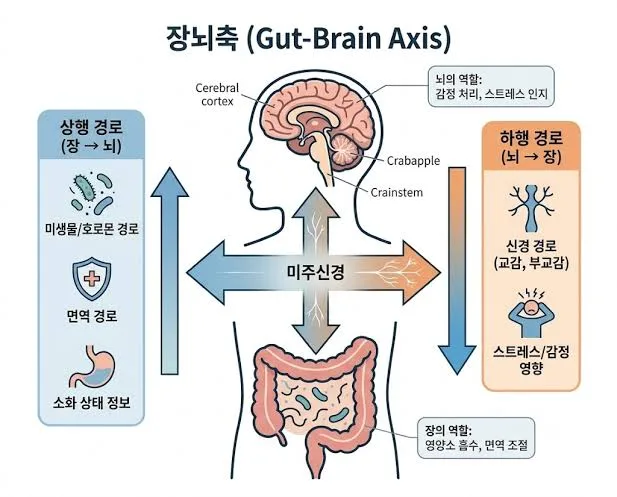
    The gut and the brain were linked through immunity too. IgA antibody cells trained by meeting gut bacteria settled beside the large veins in the membranes around the brain and blocked microbial invasion (Nature, 2020). In people, eating more fermented foods for 10 weeks increased gut microbial diversity and lowered inflammatory markers (Cell, 2021). But claims not confirmed in people, like 'leaky gut causes brain fog,' were corrected.

    9 min read
  20. How to Stop Anxious Thoughts: Does Suppressing Them Backfire? Resisting a White Bear Made It Come Back

    Anxious thoughts came back more often the harder people pushed them down. People told not to think of a white bear thought of it more once they stopped trying (Journal of Personality and Social Psychology, 1987). Instead, repeating a distressing word aloud quickly for 30 seconds made people believe the thought less and feel less uncomfortable (Behaviour Research and Therapy, 2004). I checked cognitive defusion from acceptance and commitment therapy (ACT) against research and corrected the unverifiable sources in the earlier version of this post.

    8 min read
  21. Does Self-Talk Change If You Use Your Own Name? Emotional Reactions Dropped Within a Second

    Using your own name instead of 'I' in self-talk made people less swept up in emotion. When people talked to themselves by name while viewing unpleasant images, the brain's emotional response dropped within a second, and the frontal areas used for effortful control didn't work harder (Scientific Reports, 2017). Words read aloud were remembered better than words read silently (JEP: Learning, Memory, and Cognition, 2010). I corrected the wrong citations and exaggerated explanations in the earlier version of this post.

    8 min read
  22. Why Do You Get Sleepy After Lunch? Even Without Lunch, Afternoons Brought Drowsiness

    Post-lunch sleepiness involved the body's daily rhythm, not just food. Even without lunch, drowsiness and lower focus appeared around 2–4 p.m. (Clinics in Sports Medicine, 2005). Sugary food actually increased fatigue within an hour, and a 10-minute nap cut afternoon sleepiness right away (Sleep, 2006). I kept my experience of clearer afternoons on a carnivore diet, but corrected exaggerated claims and celebrity examples.

    8 min read
  23. Can a Late-Start Exercise Habit Change Your Brain? People in Their 60s and 70s Gained Brain Volume in 6 Months

    Even a late-start exercise habit changed the brain. When inactive people in their 60s and 70s did aerobic exercise for six months, gray and white matter volume increased (Journal of Gerontology, 2006), and people around 60 gained gray matter after three months of juggling practice (Journal of Neuroscience, 2008). Small brain infarcts without symptoms turned up on MRI in a fair share of older adults. Summarized alongside my experience of running since my 20s.

    10 min read
  24. Does Holiday Weight Really Come Off? Half of It Was Still There Five Months Later

    Holiday weight didn't all come off on its own. Weight records from people in three countries showed that about half the weight gained over the holidays was still there five months later (NEJM, 2016). Much of the weight lost in the first few days after a holiday is water stored with glycogen. I kept my experience of using a carnivore diet after the Chuseok holiday, but corrected risky parts, like taking magnesium until you get diarrhea.

    10 min read
  25. Can Lymphatic Massage Clear Brain Waste? Stroking Mice's Necks Increased Drainage

    The finding that gently stroking the face and neck increased cerebrospinal fluid drainage still comes from mouse experiments (Nature, 2025). Cerebrospinal fluid drains through lymphatic vessels behind the nose and in the neck (Nature, 2024), and this route weakened with age. Whether it works in people hasn't been tested yet, but sleep was closely tied to cerebrospinal fluid flow in both people and animals. Here's my daily lymphatic massage experience alongside the research.

    9 min read
  26. Does Tracking Your Time Change Habits? People Used Their Phones Twice as Much as They Thought

    Logging your day turns drifting time into numbers, and from there habits became easier to change. People used their phones about 5 hours and 85 times a day but estimated about half that (PLoS ONE, 2015). The more consistently people recorded, the better they reached goals like weight loss. I corrected the comparison in the earlier version of this post to the quantum observer effect, and summarized my experience of changing my days through time tracking alongside the research.

    11 min read
  27. Why Is Your Head Foggy Right After Waking? The Just-Woken Brain Was Duller Than After an All-Nighter

    Morning grogginess is sleep inertia, and it usually clears within about 30 minutes. Arithmetic ability 1–3 minutes after waking was worse than after staying up all night (JAMA, 2006). After waking, the front of the brain woke up last (Brain, 2002), and cortisol rose naturally over the first 30 minutes. Here's how to fill the first 30 minutes with a light, pre-set routine instead of important decisions.

    9 min read
  28. How Often Should You Do 1-Minute Workouts? Three a Day Meant About 40% Lower Death Risk

    Even among people who don't exercise, moving hard enough to get breathless for 1–2 minutes three times a day was linked to about 40% lower risk of death (observational study, Nature Medicine, 2022). People who did 10-minute workouts containing one minute of all-out effort for 12 weeks gained as much fitness as those who exercised for 50 minutes (PLoS ONE, 2016). But the evidence for a growing hippocampus came from a year of walking, not high intensity. Here's my experience of running three times in one day, alongside the research.

    9 min read
  29. Can Exercise Stop Late-Night Snack Cravings? A 15-Minute Walk Cut Sugar Cravings

    When late-night snacks or sweets call, even a 15-minute brisk walk reduced the urge. Overweight people who walked for 15 minutes had fewer sugary snack cravings (PLoS ONE, 2015), and regular chocolate eaters ate about half as much chocolate after a walk (Appetite, 2012). But there was no evidence that short videos or late-night snacks reduce dopamine receptors. Here's my experience of swapping snacks for running, alongside the research.

    9 min read
  30. Will Exercise Make You More Tired? Light Exercise Cut Fatigue

    Light exercise actually reduced fatigue. Six weeks of easy workouts lowered tiredness (2008), and 5-minute walks every hour raised energy all day (2016). Here is why, and a 3-step plan for office workers that starts with a 15-minute break.

    10 min read
  31. Does Exercise Help Anxiety? Getting Used to Breathlessness Lowered Anxiety

    Exercise was effective at reducing anxiety. An analysis pooling over 1,000 trials found that exercise lowered anxiety symptoms by a medium amount (British Journal of Sports Medicine, 2023), and people who ran six 20-minute sessions over two weeks became less afraid of a pounding heart and breathlessness (Depression and Anxiety, 2008). I checked the practices introduced in neuroscientist Jennifer Heisz's book against the original papers and organized exercise by situation.

    9 min read
  32. Does Mental Fatigue Make You Give Up? After 6 Hours of Focus, People Chose Instant Rewards

    People who did hard mental work for over six hours built up glutamate in the front of the brain and chose immediate rewards over larger ones that required waiting (Current Biology, 2022). Mental fatigue like this may also play a part in giving up on diets and put-off tasks in the evening. Yet the brain's energy use barely rises with focus, so 'running out of fuel' doesn't explain it. Here's how to move hard decisions to the morning and set evening choices in advance.

    9 min read
  33. Does a Tidy Room Help You Focus? A Messy One Produced More Original Ideas

    A tidy space helped focus, while a slightly messy one helped new ideas. People in a tidy room chose apples and donated more; people in a messy room came up with more original ideas (Psychological Science, 2013). A smartphone on the desk reduced working memory just by being there. Prompted by Raemian Gallery's 'A Part of Home' exhibition and talks, here is what research says about how space shapes the brain's focus.

    9 min read
  34. How to Get Into Deep Focus? Answers Came After Resting and Sleeping on the Problem

    Deep focus worked best when holding on to one problem for a long time was paired with resting and sleeping while carrying it. In a meta-analysis of 117 studies, an 'incubation' period away from the problem helped solve it (Psychological Bulletin, 2009), and after a night's sleep, more than twice as many people discovered a hidden rule (Nature, 2004). This post looks at the deep-focus experience described by Professor Hwang Nong-moon through research and offers a daily routine to follow.

    8 min read
  35. Why Do Resolutions Fail? Does '7,300 Days' Beat '20 Years'?

    When diets and savings plans fizzle out in days, what matters more than willpower is how close your future self feels to your present self and how you read the hard moments. People who heard the same future described as '7,300 days' instead of '20 years' wanted to start saving sooner (Psychological Science, 2015). This post checks Oyserman's identity-based motivation theory against the original studies and offers a tool for counting the days to your goal.

    8 min read
  36. Does Studying Five Minutes a Day Work? It Feels Like Less, but More of It Sticks

    Spending the same time studying, you remember longer if you spread it over several days instead of cramming (a meta-analysis of 317 experiments, 2006). Yet people felt they learned more by cramming (Psychological Science, 2008). Along with a study in which three months of juggling increased gray matter that shrank again after stopping (Nature, 2004), this post explains why a five-minute daily habit works and offers a tool to plan your review dates.

    8 min read
  37. How to Break a Speech Habit? The Trigger Was the Situation

    Speech habits and habitual emotional reactions harden through repetition in the same situations, and those situations become the trigger. People who habitually ate popcorn at the movies ate stale popcorn as much as fresh there, but not in a meeting room (PSPB, 2011). Since habits are covered over by new responses rather than erased, habit reversal training, which means noticing the situation and swapping in an action you can't do at the same time, was effective.

    9 min read
  38. Do Affirmations Work? With Low Self-Esteem, They Made People Feel Worse

    When people with low self-esteem repeated 'I'm a lovable person,' they actually felt worse (Psychological Science, 2009). Hard-to-believe affirmations can provoke pushback, while self-talk that uses your own name, writing about your values, and pairing words with small actions were supported by research. This post also corrects the reticular activating system story and offers a tool to rework your own affirmation.

    9 min read
  39. Why Do We Repeat Things We Regret? Does Naming the Feeling Help?

    We repeat things we regret because brain circuits that value immediate rewards separately get in first, and hunger or anger widens that gap (Science, 2004). Simply naming the feeling in a word reduced amygdala responses (Psychological Science, 2007), and 'if X, then Y' plans and precommitment that narrows your options helped. Here's a summary, with a tool for practicing emotion labeling.

    9 min read
  40. Warming Up for a Run: Static Stretching Didn't Prevent Injuries

    Before a run, a warm-up that gets you moving beats long static stretches. In a study of 1,538 recruits, pre-exercise static stretching didn't reduce injuries (MSSE, 2000), while a dynamic warm-up program cut injuries by about a third (BMJ, 2008). A cool-down helps prevent dizziness. Here's a summary, with a five-minute routine to follow along.

    8 min read
  41. How to Use a Glucose Meter: The Same Food Raised Blood Sugar Differently in Each Person

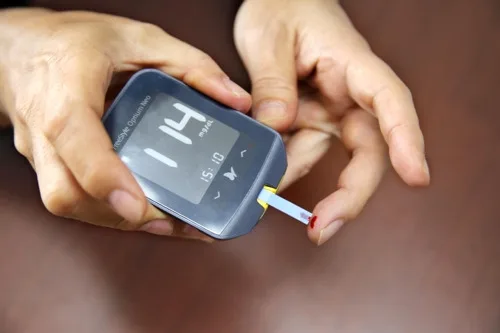
    To use a glucose meter, wash and dry your hands, then test a drop from the side of a fingertip. Because blood sugar responses to the same food varied widely between people (Cell, 2015), it's worth measuring your own. Unwashed hands can give falsely high readings from fruit sugar (Diabetes Care, 2011), and home readings aren't used for diagnosis. This post covers both.

    8 min read
  42. Signs of Insulin Resistance: Can Dementia Risk Rise Even With Normal Blood Sugar?

    Even in people without diabetes, higher average blood sugar went with a higher risk of dementia (NEJM, 2013). Insulin resistance is easier to spot by numbers than by symptoms, and a triglyceride/HDL ratio of 3.0 or more and waist size are good clues (Annals of Internal Medicine, 2003). This post covers which checkup numbers to look at and sorts the link between the brain and insulin resistance by strength of evidence.

    9 min read
  43. How to Focus While Reading: Is Returning From Mind-Wandering the Training?

    Reading focus grows less from never letting your mind wander and more from practicing noticing it and coming back. At that moment, attention-related brain networks became active (NeuroImage, 2012); merely receiving a notification broke concentration (JEP: HPP, 2015); and informational texts were understood better on paper (a meta-analysis of 54 studies, 2018). Here's a summary, with a 10-minute reading timer you can try.

    8 min read
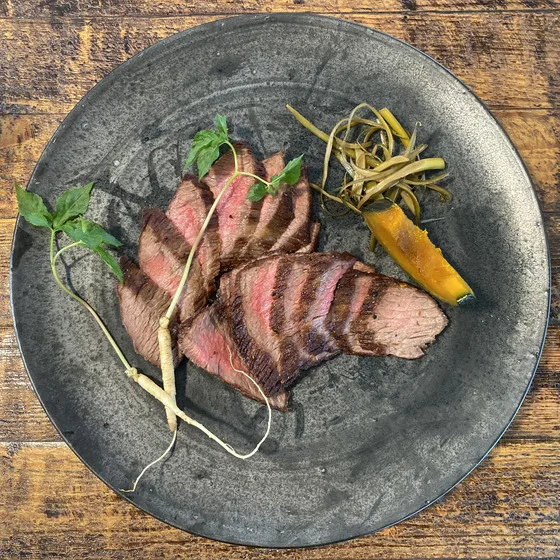
  44. What Is the Carnivore Diet? 2,000 People Were Satisfied, but LDL Rose

    The carnivore diet means eating only animal foods such as meat, fish, and eggs. In a survey of 2,029 people, most said their health had improved, but average LDL cholesterol was high at 172 mg/dL (Current Developments in Nutrition, 2021). This post sorts the evidence by strength, including the fact that ketones raising BDNF comes from mouse studies.

    8 min read
  45. Resolutions and the aMCC: Does Doing Hard Things Grow Your Willpower?

    The claim that doing things you don't want to do grows your aMCC hasn't been confirmed in human experiments yet. What has been shown: electrically stimulating the aMCC produced a 'will to persevere' (Neuron, 2013), and, in a small study, 24 people who exercised for two months reported better self-control in other areas too (BJHP, 2006). This post sorts the aMCC and BDNF claims by strength of evidence and helps you build a plan to get past day three.

    8 min read
  46. Running Shoes for Flat Feet: Do You Really Need Stability Shoes?

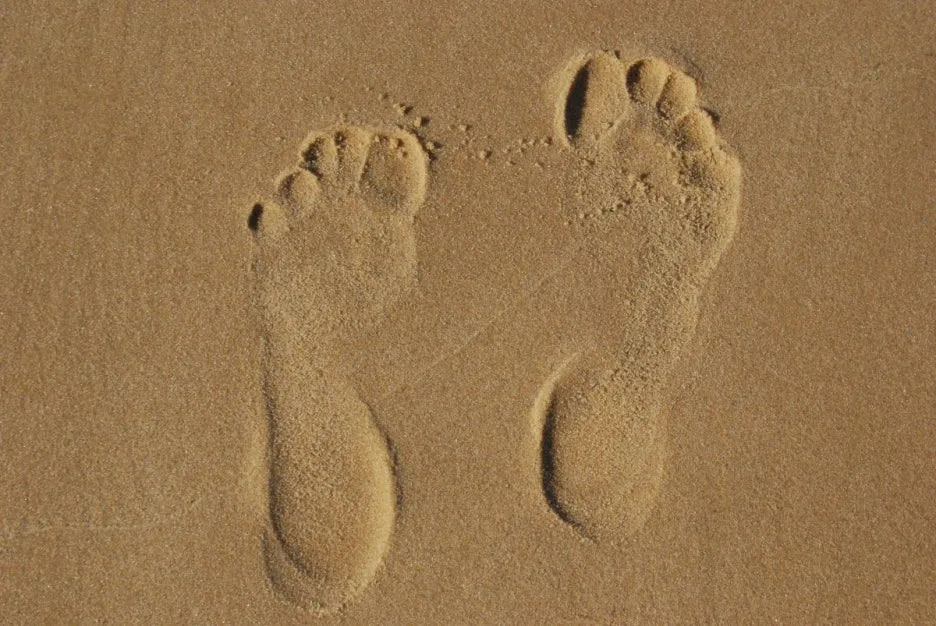
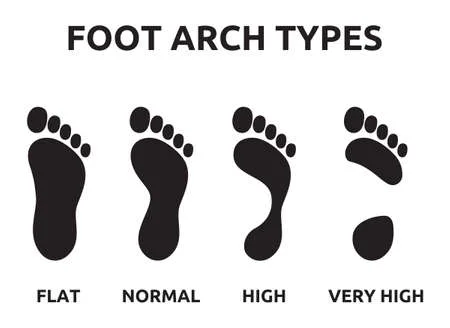
    Having flat feet doesn't mean you must wear stability shoes. Flat-footed recruits given motion-control shoes had injury rates similar to those in standard shoes (American Journal of Sports Medicine, 2010), and researchers suggest picking the most comfortable pair out of several (BJSM, 2015). Here's how to check your arch at home and what to look for when trying on shoes for flat feet, high arches, and normal arches.

    8 min read
  47. Beginner Runner Knee Pain: Do Arch-Matched Shoes Help?

    Choosing running shoes to match your arch type didn't reduce injuries (American Journal of Sports Medicine, 2010). What mattered more for beginner runners' knee pain was increasing distance too fast (JOSPT, 2014), and choosing shoes for comfort is closer to the evidence. This post sorts out the causes with research and offers a self-check for your running habits.

    8 min read
  48. Is Running Good for Your Brain? Just 10 Minutes Sharpened Focus

    Ten minutes of moderate running lifted mood and focus and activated the prefrontal cortex (Scientific Reports, 2021); meta-analyses show exercise raises BDNF, the brain's fertilizer; and a year of aerobic exercise enlarged the hippocampus (PNAS, 2011). Here is why running helps the brain, and three steps for beginners to start without getting hurt.

    12 min read
  49. What Does Insulin Do? Why Lowering It Didn't Burn More Fat

    Insulin is the hormone that moves glucose from the blood into cells to keep blood sugar steady. Yet people who lowered their insulin by cutting carbs lost less body fat than when they cut fat (Cell Metabolism, 2015). This post revisits the idea that insulin makes you fat and lets you see, on a graph, three steps that soften post-meal blood sugar spikes.

    10 min read
  50. Does Dark Chocolate Help Right Before an Exam? Store-Bought Is Different

    After a high-flavanol cocoa drink, people did better on math tasks and felt less mentally tired (2010), but store-bought chocolate is different. Here is what to eat and what to skip right before an exam or interview, in 3 research-based steps.

    8 min read
  51. Which Foods Are Rich in BDNF? It Turns Out Food Contains No BDNF

    Food doesn't actually contain BDNF. But some foods and eating patterns help your body make it. From sulforaphane in broccoli and flavonoids in cocoa and berries to omega-3, the Mediterranean diet, eating less and intermittent fasting, we sort the evidence into human and animal studies and suggest a three-step diet you can start today.

    11 min read
  52. 4 Causes of Low BDNF, and Why a Blood Test Can't Tell You

    Research points to four causes of low BDNF: chronic stress, lack of exercise, sugary and fatty diets, and aging. But most BDNF in the blood is stored in platelets, so a blood test can't tell you how much BDNF is in your brain. Using studies from Cell, PNAS, and J Neurosci, this post sorts the causes by strength of evidence and offers three steps and a self-check you can use today.

    10 min read
  53. What Is BDNF? Why "More Is Better" Is Only Half Right

    BDNF is a protein that helps nerve cells survive and connect. Here is how it relates to memory, appetite, and exercise, why "more is better" is a myth, per Cell, NEJM, and PNAS studies, and 3 evidence-based steps to raise it.

    11 min read
  54. Intermittent Fasting Results: Was It the Clock or the Calories?

    The weight loss from intermittent fasting came mostly from eating less. With the same calories, eating within 8 hours made no meaningful difference after a year (NEJM, 2022), and restricting time alone cost muscle (JAMA Internal Medicine, 2020). Here is how to start 16:8 fasting properly after the holidays, based on research, with a tool to set your own eating window.

    11 min read
  55. How to Achieve Your Goals: Picturing Success Can Push It Further Away

    Picturing only a great outcome actually drained energy (JESP, 2011). Drawing on research into mental contrasting with obstacles, if-then implementation intentions (a meta-analysis of 94 studies), progress tracking, and exercise, here are three ways to achieve your goals, plus a tool to build your own plan.

    10 min read
  56. Why Do Memories Change? The Ones You're Surest of Can Be Wrong

    Because memories are rebuilt each time we recall them. Drawing on a study where 9/11 memories changed within months while confidence stayed put (Psychological Science, 2003) and an experiment where one word in a question changed memory, here is how it works, and three steps for why writing things down is the most reliable reference.

    10 min read
  57. Can Adult Brains Still Grow? Three Months of Study Enlarged Medical Students' Hippocampi

    Yes, the brain changes throughout life. Here is the research: medical students' hippocampi grew while studying for an exam (J Neurosci, 2006), exercise started in one's 60s increased brain volume, and therapy that changes thinking changed brain circuits, plus the open debate over new neurons in adult brains.

    10 min read
  58. How to Boost Neuroplasticity: The Hippocampus Changed in Just 2 Hours

    The best-supported ways are moving your body, sleeping enough, and seeking out new experiences. Here is the research on running and new neurons (Nature Neuroscience, 1999) and sleep and synapses (Science, 2014), plus how far the evidence on gut health really goes.

    11 min read
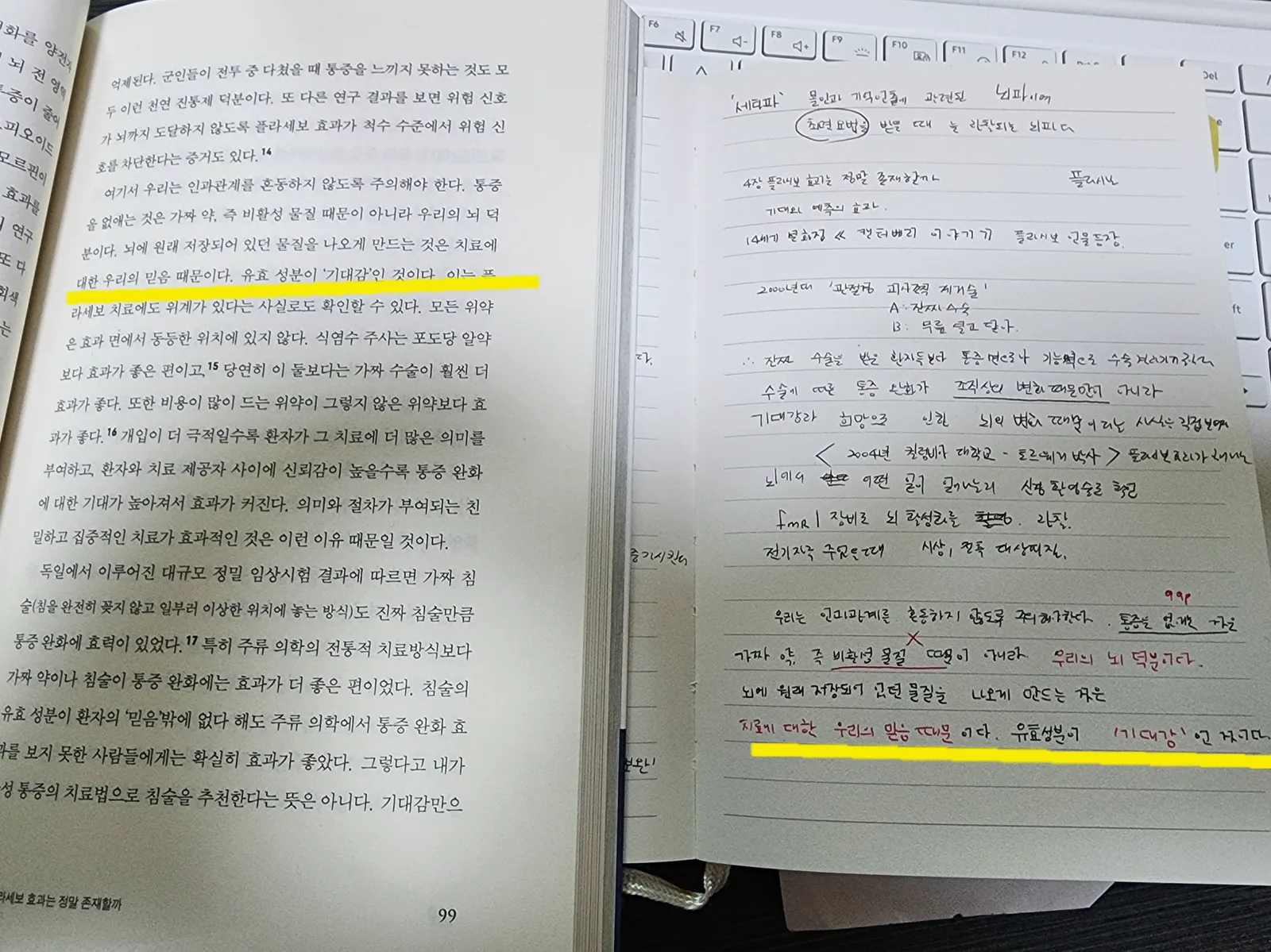
  59. Is the Placebo Effect Real? Fake and Real Surgery Had the Same Results

    Short answer: yes. Sham surgery and real knee surgery had the same results (NEJM, 2002), and expectation changed how the brain processes pain. Here is how the placebo effect works, and 3 steps for facing pain.

    8 min read
  60. What Is Neuroplasticity? Three Months of Juggling Changed Adult Brains

    Adult brains do change. Three months of juggling grew gray matter (Nature, 2004), and older adults who learned new skills improved their memory. Here is what neuroplasticity research shows, and 3 steps to change your brain with new habits.

    8 min read
  61. Why Do New Things Make You Sleepy? It Isn't Laziness

    It's not weak willpower. The brain is 2% of body weight but uses about 20% of its energy (PNAS, 2002), so it avoids mentally demanding work. Here is why new things feel tiresome and sleepy, and 3 steps to let a new habit settle in.

    8 min read