You stopped at last time.
The story in four panels
Just one minute: intensity wakes the brain
-
1The problem
A tired person with a lowered head beside an almost empty battery No time to exercise…
Put off exercise because you're busy, and body and brain gradually dull.
-
2How it works
A sprout growing from the top of a brain Intensity over time!
Short, intense exercise boosts BDNF release through lactate signaling.
-
3What to do
A person running lightly with motion lines Just one minute, all out!
Slip one-minute bursts of intense movement (VILPA) into your day a few times.
-
4The change
Two neurons reaching out and connecting The brain rewires
Neuroplasticity wakes up and the hippocampus's memory circuits grow stronger.
For busy people today, “an hour of exercise a day” is like homework that’s hard to get done.
But recent research in exercise physiology and brain science keeps finding that even short bursts of intense exercise play a decisive role in activating brain function. It means that “how high you push your heart rate in the moment” is a more powerful switch for the survival and reorganization of brain neurons than simply “moving for a long time.”
Here is a careful summary of the scientific mechanisms by which short, high-intensity exercise such as a one-minute sprint (HIIE, high-intensity interval exercise) can match or even exceed the effects of a long walk, and the key evidence behind them.
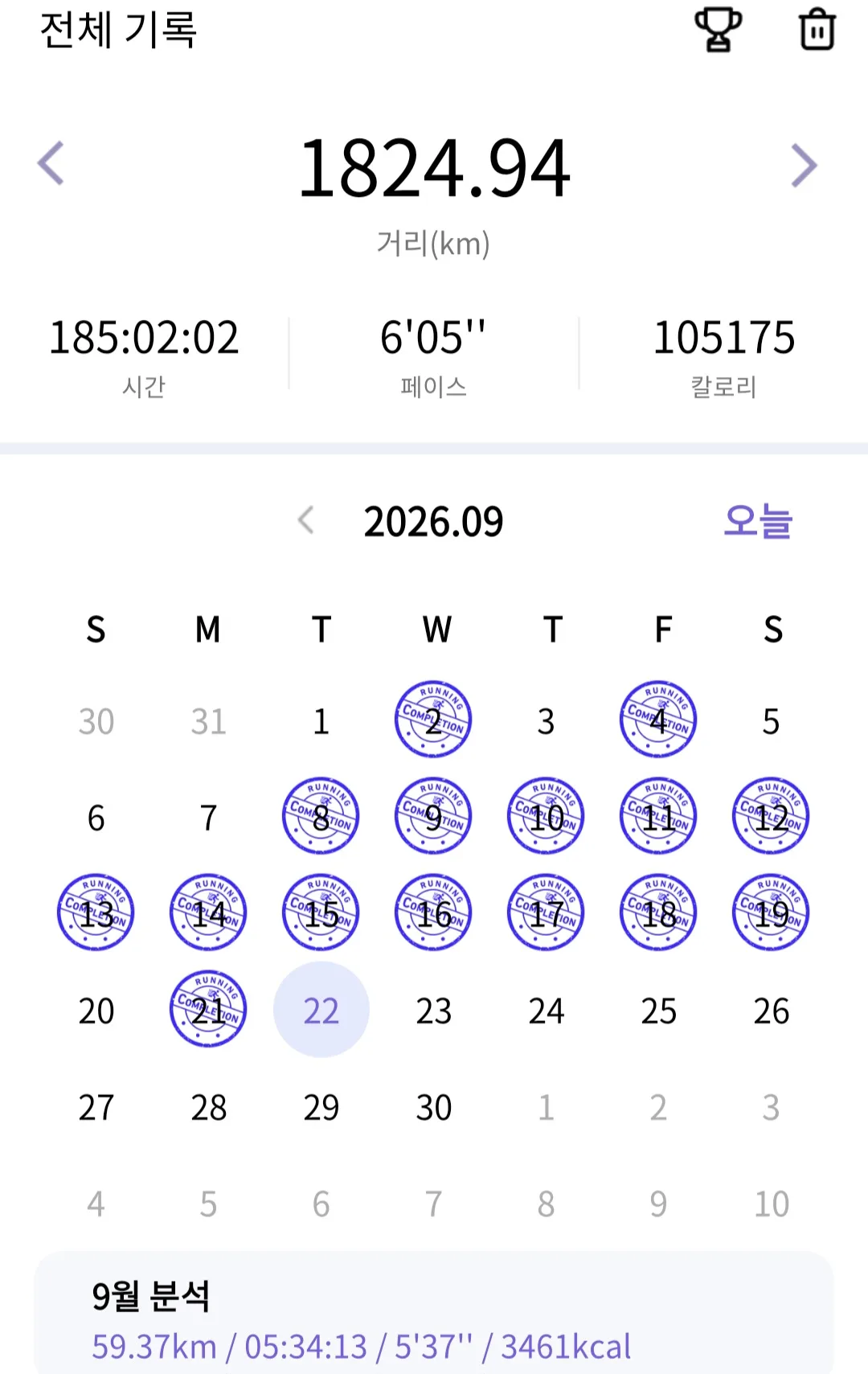
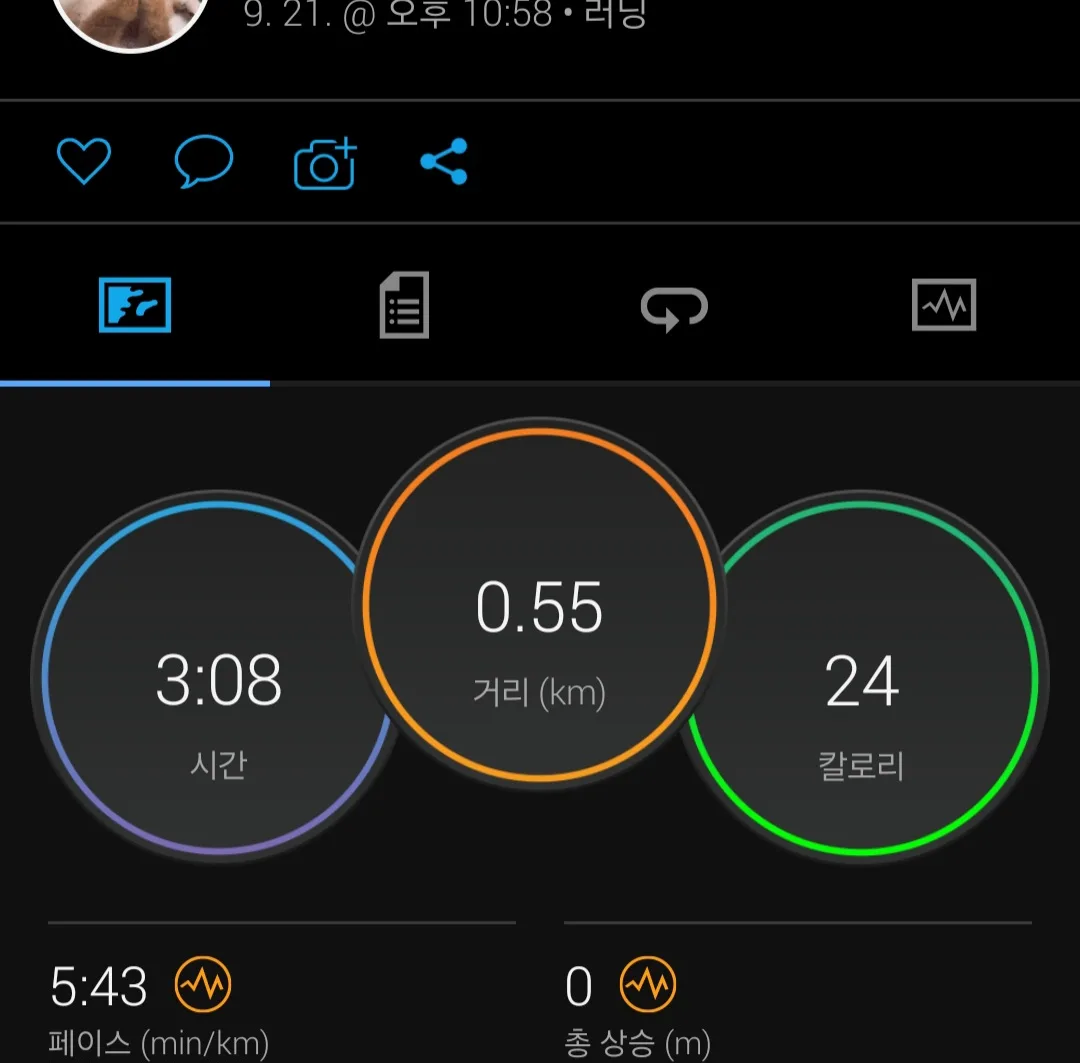 Garmin Instinct 2 screen after a 500 m run after work at 10 p.m. on September 21, 2026
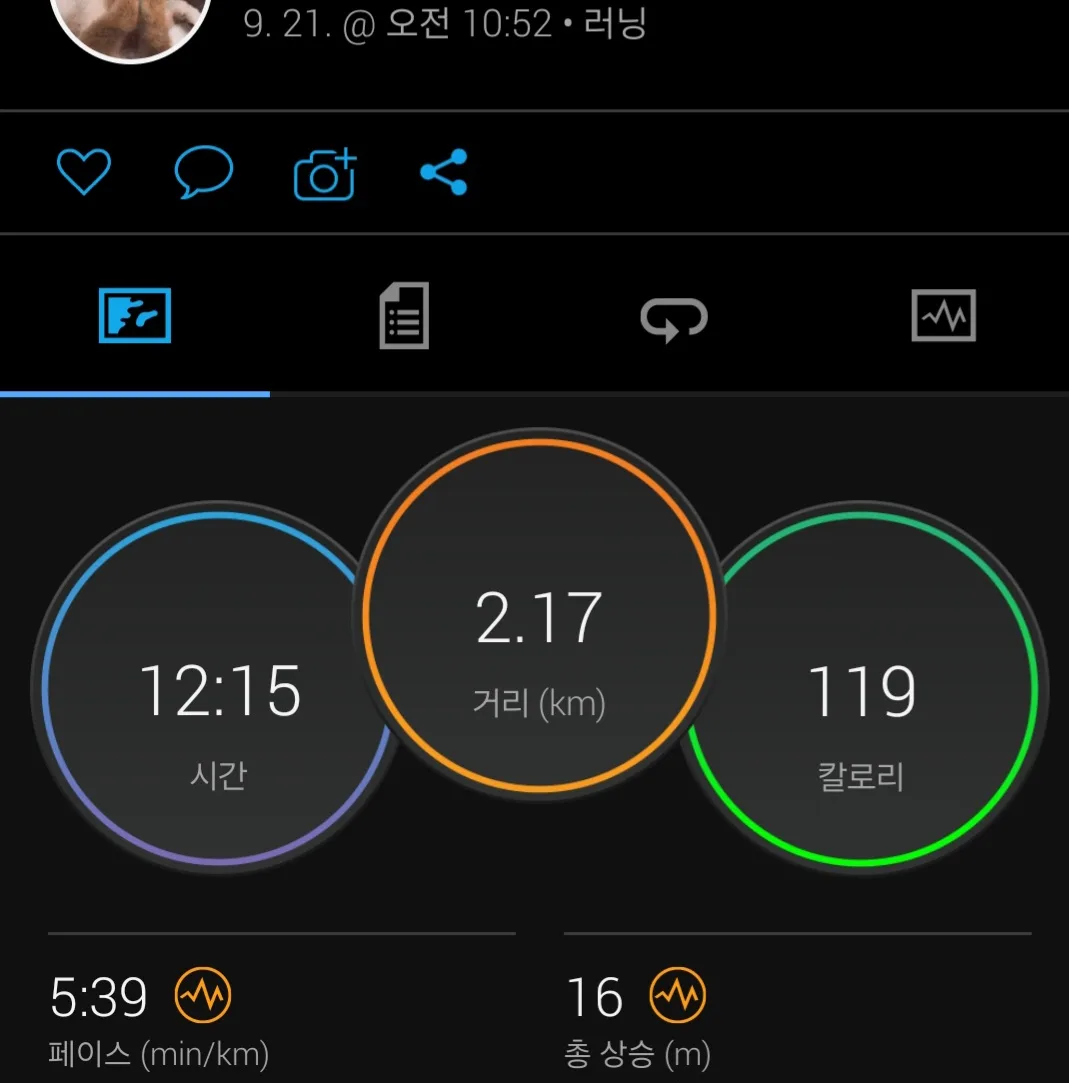 Garmin Instinct 2 screen after a 2 km run before work at 10 a.m. on September 21, 2026
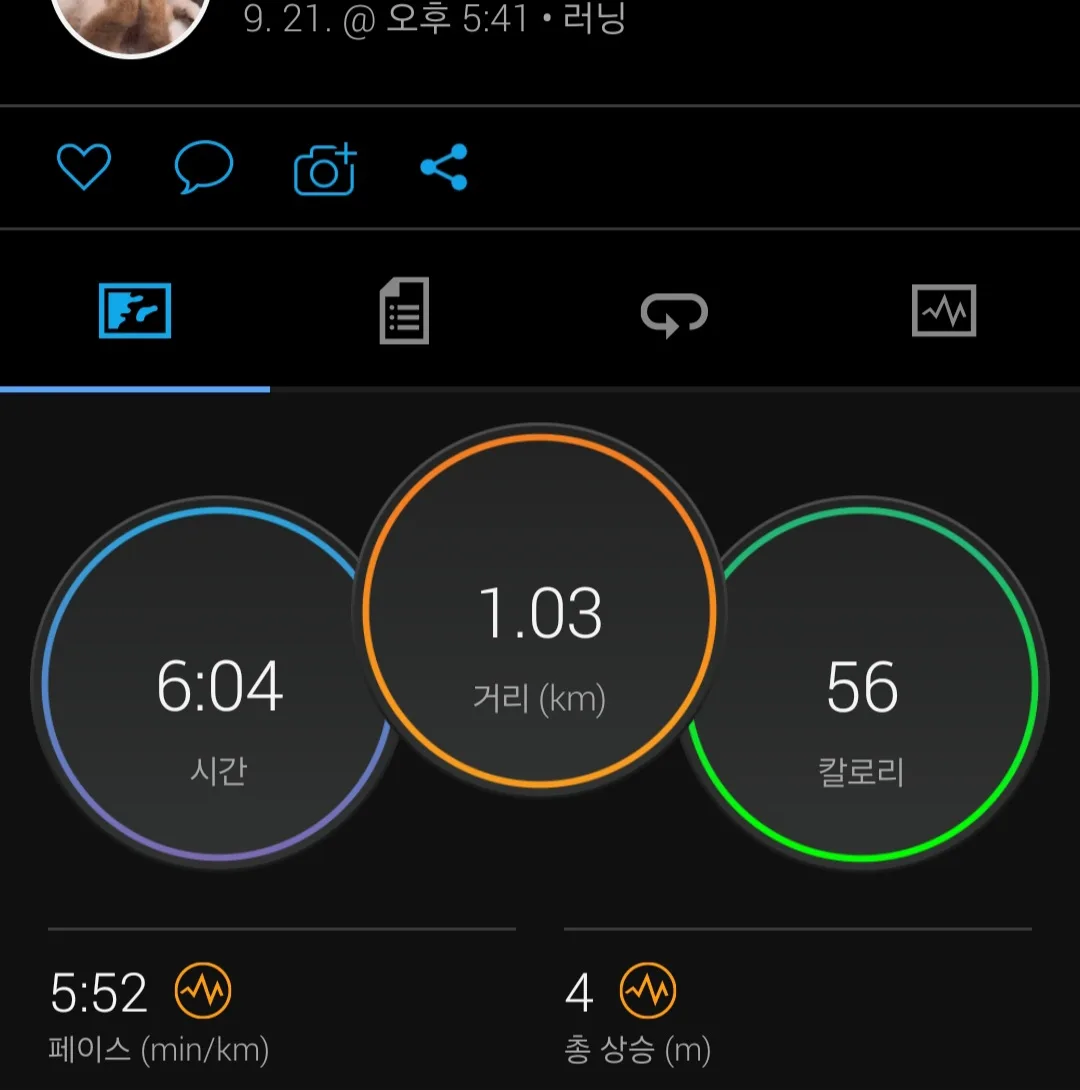 Garmin Instinct 2 screen after a 1 km run during a work break on September 21, 2026
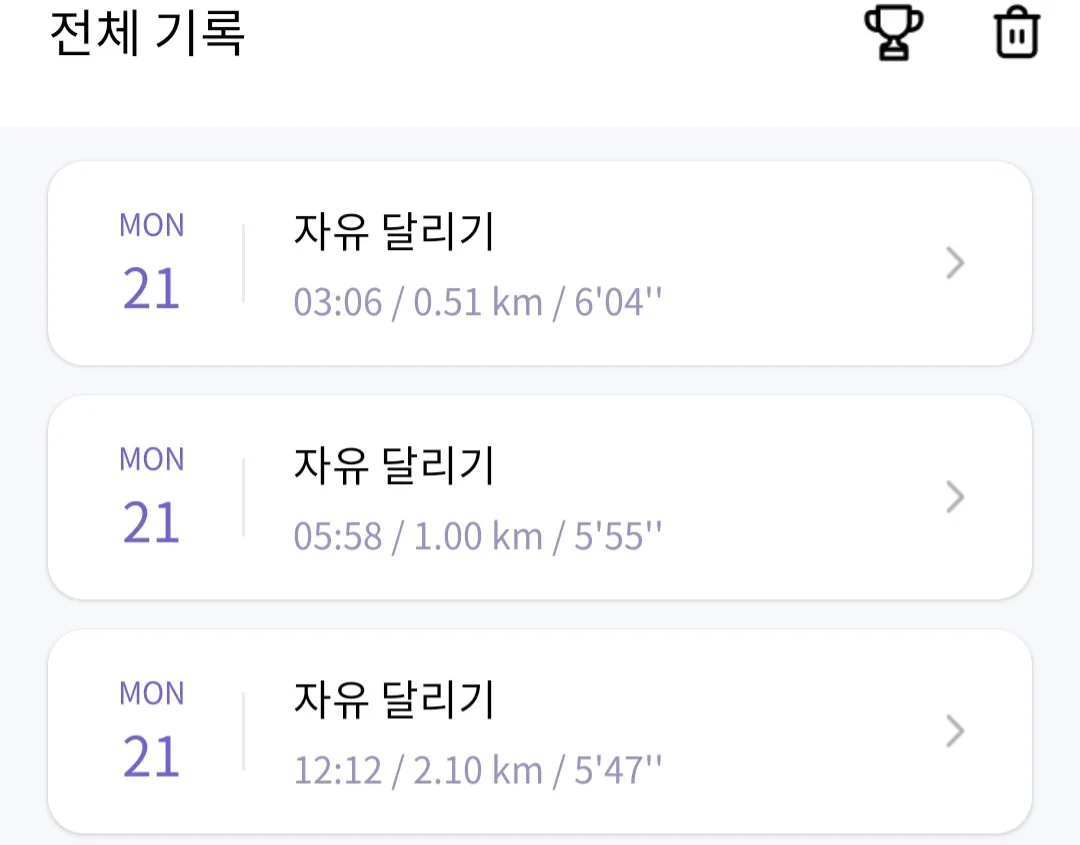
1. The key to BDNF release: intensity, not time
The most notable effect of short, intense exercise on the brain is an explosive release of BDNF (brain-derived neurotrophic factor). BDNF acts as a kind of “brain fertilizer,” helping brain cells grow, form strong connections and stay protected.
- Lactate signaling: sprinting at high intensity produces lactate in the muscles. Lactate was once seen only as a fatigue byproduct, but according to recent research, lactate from the muscles travels through the bloodstream, crosses the blood-brain barrier (BBB) and enters the brain, where it acts as a powerful signaling molecule that induces BDNF expression.
- Findings: BDNF concentrations in the blood and brain measure markedly higher after short, high-intensity exercise that pushes the heart rate to its maximum than after long, low-intensity exercise. According to researchers at the University of Otago in New Zealand, six minutes of high-intensity intervals raised BDNF protein levels up to four to five times more effectively than 60 minutes of light cycling.
2. Neuroplasticity and changes in hippocampal volume
The hippocampus, the brain’s memory store and a key region for preventing dementia, loses about 1 to 2% of its volume each year with age. But high-intensity stimulation activates the neuroplasticity that reverses this trend.
- Neurogenesis: along with BDNF, IGF-1 (insulin-like growth factor 1) and VEGF (vascular endothelial growth factor) released during high-intensity exercise promote the birth of new neurons in the dentate gyrus of the hippocampus.
- Cerebral blood flow and oxygen supply: intense exercise stimulates the endothelial cells of the brain’s blood vessels, increasing nitric oxide (NO) release and sharply raising the elasticity and blood flow of the microvessels leading to the brain. This immediately supplies brain cells with plenty of oxygen and nutrients, helping prevent cognitive decline.
3. VIGOR and VILPA: the mortality benefit of just one minute in daily life
The benefits of short exercise have also been confirmed in large epidemiological studies.
- The VILPA (vigorous intermittent lifestyle physical activity) study: when a University of Sydney research team analyzed data from wearable devices, people who did VILPA, three or four short bursts a day of one to two minutes each that left them out of breath (climbing stairs, running for the bus and so on), had about a 38 to 40% lower risk of death from all causes and up to a 49% lower risk of cardiovascular death than those who didn’t.
- Efficiency for the time spent: if two hours of leisurely walking helps cleanse the cardiovascular system overall and lift your mood, a one-minute sprint works as a “biological shock therapy” that reorganizes the brain’s neural circuits and stimulates hormone release.
4. Practicing safely: precautions
Despite the powerful effects of a one-minute sprint, a sudden all-out sprint isn’t safe for everyone. To get the brain-stimulating benefits safely, you need a step-by-step approach.
- Always warm up: if you don’t usually exercise much, or you have cardiovascular or joint problems, sudden high-intensity stimulation can strain your blood vessels. Be sure to loosen up first with light marching in place or stretching.
- Increase intensity gradually: it doesn’t have to be a 100% sprint. The key is reaching 80 to 90% of your maximum heart rate (breathless enough that you can’t hold a light conversation). You can substitute climbing a steep hill, going up stairs quickly or pedaling hard on a stationary bike.
- Make it routine: using the low bar of “one minute a day” to build a habit tied naturally to everyday actions (your commute, a short spurt during a lunchtime walk) is the key to maintaining brain health over the long term.
5. Closing
If it’s hard to find a long block of time, try splitting your running into short sessions like I do: before work, at lunch and on the way home. Even a few minutes of running is enough to feel your tired brain’s fatigue wash away and fresh energy fill in.
You don’t need a grand start, either. Five hundred meters is fine; just one minute is enough. Why not get up from where you are right now and run until you’re out of breath for just one minute? That single minute of practice in your busy day can be the start of the most efficient brain health routine.
Was this article helpful?
Your choice is saved only in this browser and is never sent anywhere.