Blog
Brain science for everyday life — essays on how the brain shapes our habits, health, and the way we live.
All posts 54 posts
-
Your Breath Is Your Brain's Switch: The Neuroscience of Turning Down Anxiety and Turning Up Focus, in 5 Minutes a Day
Breathing is one of the few handles we have on the brain's state of arousal. Drawing on studies in Science, Nature, the Journal of Neuroscience and Cell Reports Medicine, this essay explains how breath shapes anxiety and focus, and offers a three-step breathing habit you can start today.
9 min read Read % read -

The Most Enjoyable Way to Keep Your Brain Young: 3 Fun Routines That Wake Up Your Brain
You turn around and the word you were about to say vanishes from the tip of your tongue. It happened to me quite often. At first I put it down to being tired, but as it kept happening, it started to bother me.
7 min read Read % read -

Nature as Healing, Through Brain Science: Why a 15-Minute Habit Reboots Your Brain
There is a science-based way to restore a tired brain in everyday life. Environmental neuroscience research shows that contact with nature alone quickly restores attention, memory, and emotional regulation. Here is the most effective brain-science solution for calming a prefrontal cortex overloaded by smartphones and work demands.
6 min read Read % read -
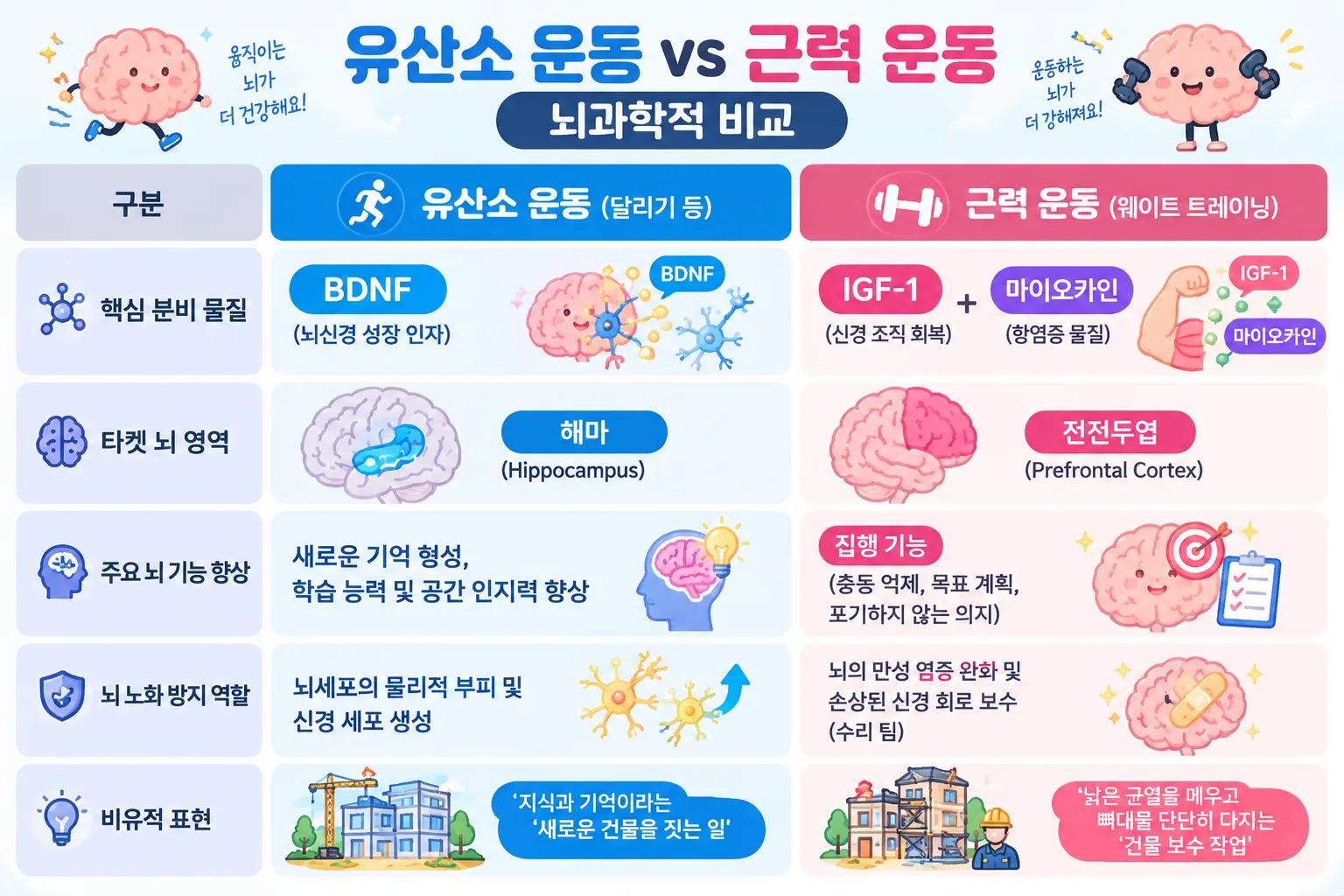
Was Muscle the Real Culprit Behind Weak Willpower? How Aerobic and Strength Training Change the Brain Differently
When I first heard that lifting heavy barbells at the gym is good for the brain, I was honestly skeptical. I had vaguely believed that exercise was for the body, and that to use your head you had to read books. But my own experience told a different story.
5 min read Read % read -
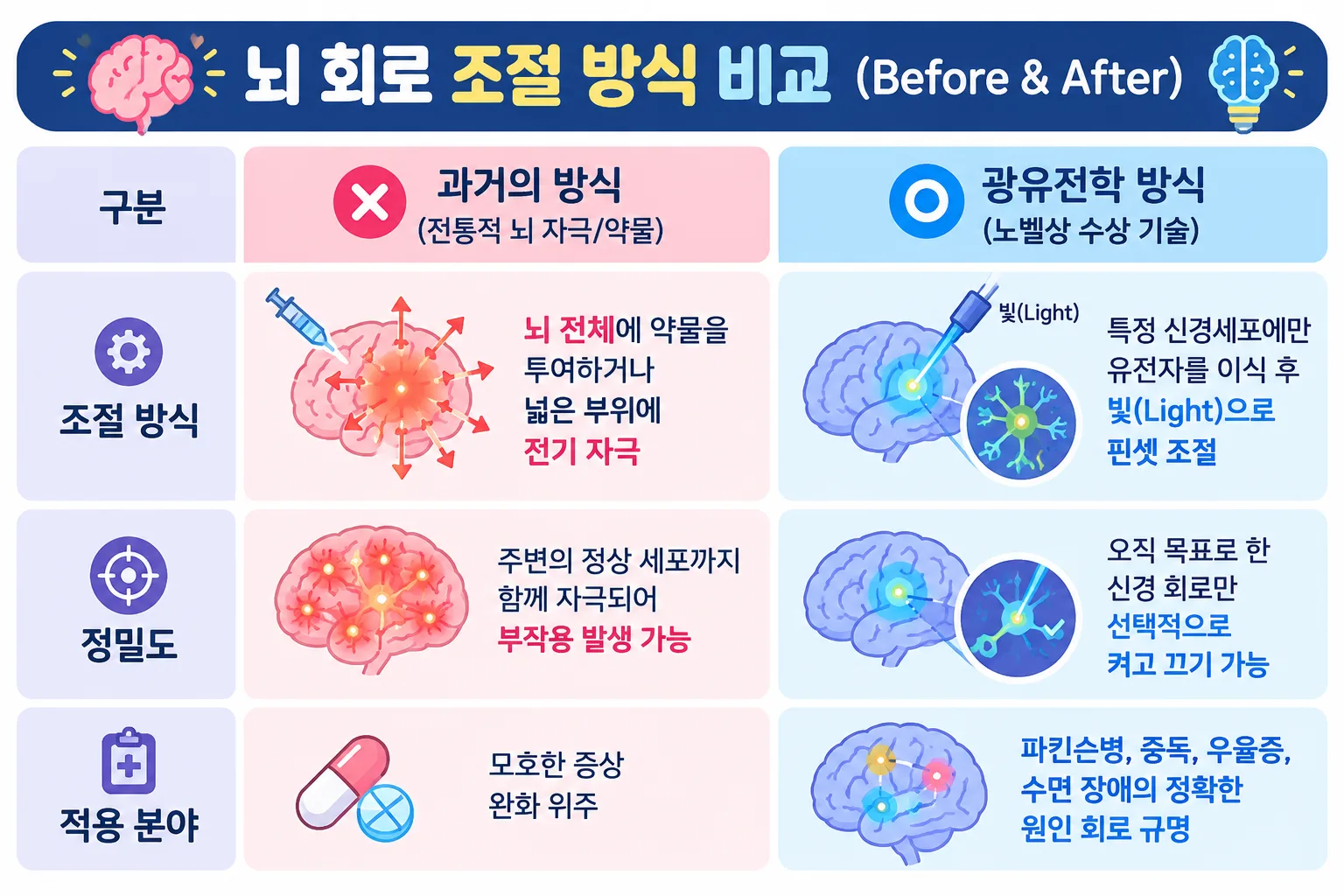
For Anyone Who Burned Out Running on Willpower: The Brain Needs a Switch, Not Persuasion
At the height of my burnout, I told myself every morning, "Today I'll pull myself together." But no matter how many times I resolved to, nothing changed. The brain science I stumbled into at that time ended up changing the way I live.
7 min read Read % read -
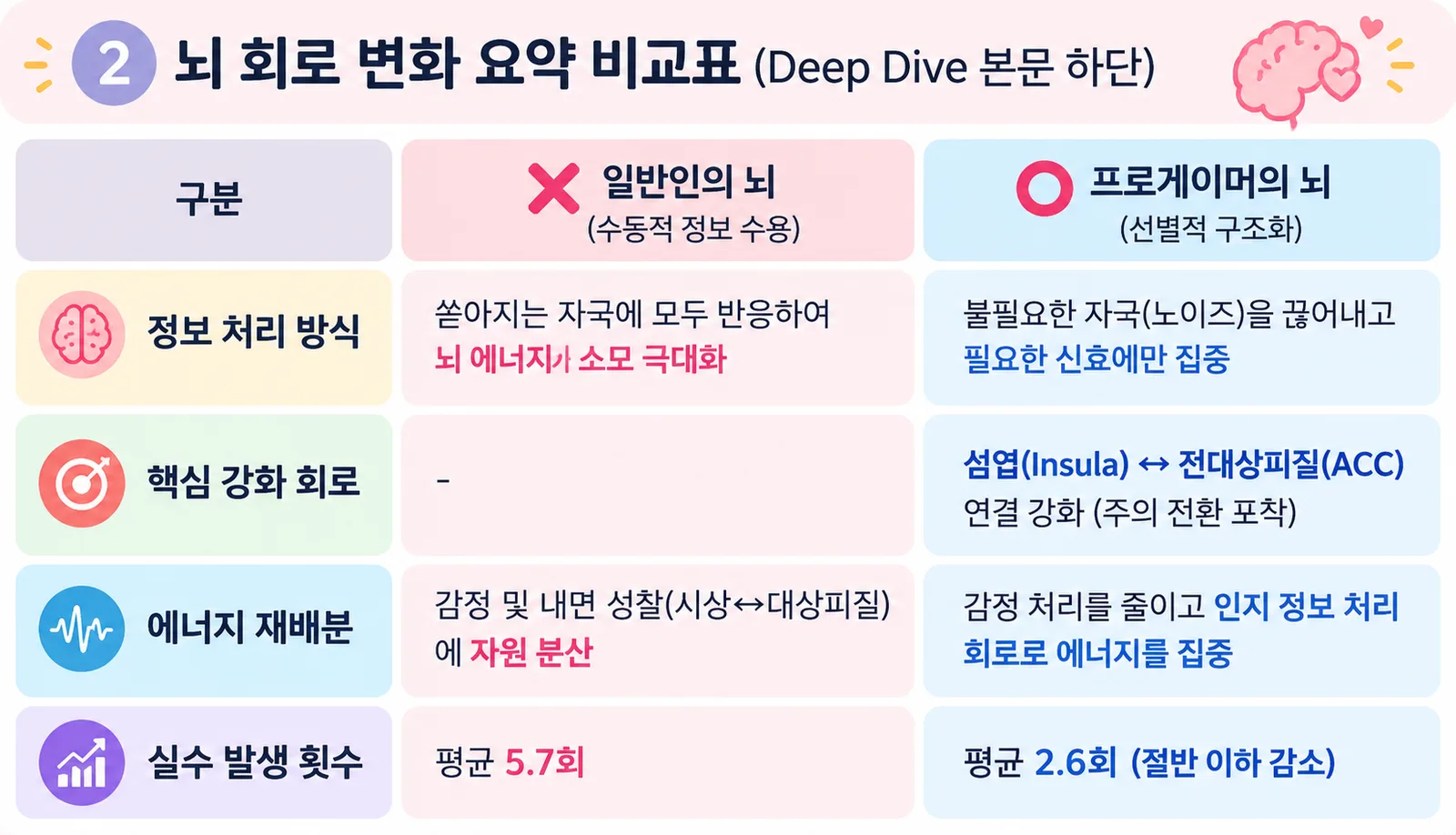
Why Pro Gamers' Brains Got Sharper Despite 10 Hours of Play a Day (What Brain MRIs Revealed)
When researchers analyzed brain MRIs of 23 LCK pro gamers, they found the players' brains had changed not toward "seeing more" but toward "choosing better." When I first came across this result, honestly, it surprised me.
7 min read Read % read -
Exercise and Learning Through the Brain's Coordinate Systems (Mind-Muscle, Embodied Learning, Egocentric Space)
The human brain processes the world in two coordinate systems at once. One is allocentric, looking down on the structure of the world from outside; the other is egocentric, always taking "my body" as its reference point.
8 min read Read % read -
Sunlight, Focus, and Brain Function (Circadian Rhythm, Cognition, Light Exposure)
When your focus slips, there's something to check before reaching for coffee: whether you got proper sunlight during the day. According to a University of Manchester study, people exposed to bright daylight had reaction times 7 to 10% faster on average.
7 min read Read % read -
A New Path for Dementia Treatment (Brain Immune Cells, the GAP Pathway, Hormesis)
I thought "poison becomes medicine" was just a vague figure of speech. But a joint team from the Korea Institute of Science and Technology (KIST) and Boston University School of Medicine actually found that pathway: quinolinic acid, known only as a toxic substance in the brain, boosts the cleaning ability of the brain's immune cells at low concentrations.
6 min read Read % read -
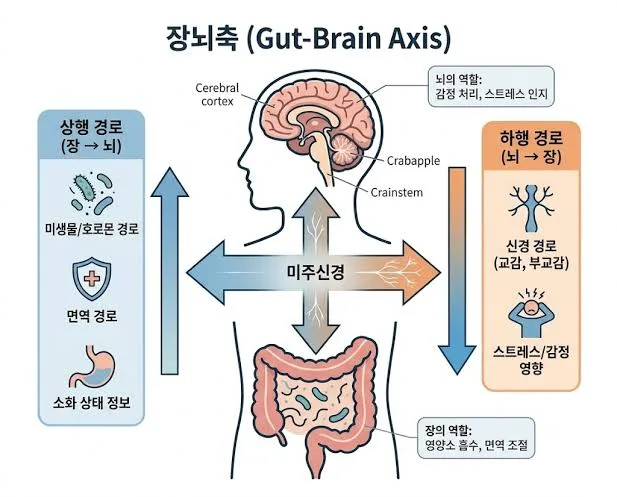
Brain Fog and Chronic Fatigue: Is Brain Immunity the Real Problem? An Anti-Inflammatory Nutrient and Diet Guide for Your Glial Cells and Gut-Brain Axis
Until recently, even after sleeping more than 8 hours on weekends, my head felt foggy and my stomach felt bloated for no reason, and I struggled with it for a long time. I assumed I was simply worn out or stressed, but it turned out my body was sending a completely different signal.
9 min read Read % read -

The Link Between Gut-Guarding IgA Antibodies and the Brain: The Neuroscience of Gut Care for Brain Development
The gut-brain axis: the gut and the brain are linked by fine neural circuits that exchange signals in real time through the vagus nerve and the immune system.
9 min read Read % read -
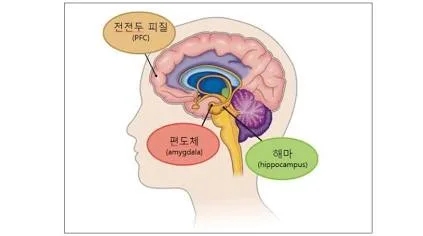
Your Thoughts Are Not You: Acceptance and Commitment Therapy (ACT) and the Power of "Cognitive Defusion" Revealed by the Brain
"When anxious thoughts come, you don't have to force yourself to act positive. Simply observing that the thought is a cloud passing through your brain is enough to stop your emotions from running away with you."
4 min read Read % read -
One Word Can Rewire Your Brain: The Neuroscience of Neuroplasticity and Speech Habits
"The words you speak aloud today are not just sounds; they are powerful commands that redraw tomorrow's map of your brain."
5 min read Read % read -
Brain Fog (Ketones, the Carnivore Diet, Mental Clarity)
The saying that you need to eat rice for your brain to work well? I now think it's half right and half wrong. Have you ever had a clearer head on the day of an important presentation or deadline when you skipped lunch? I only understood why after trying the carnivore diet myself.
7 min read Read % read -
Brain Health (Neuroplasticity, Exercise Habits, and the Compound Effect)
When I first heard that a brain in its 50s can look like one in its 80s on an MRI, honestly, a chill ran down my spine. The brain records exactly how we've lived, and that record isn't made overnight. That's the real reason I lace up my running shoes every morning.
6 min read Read % read -
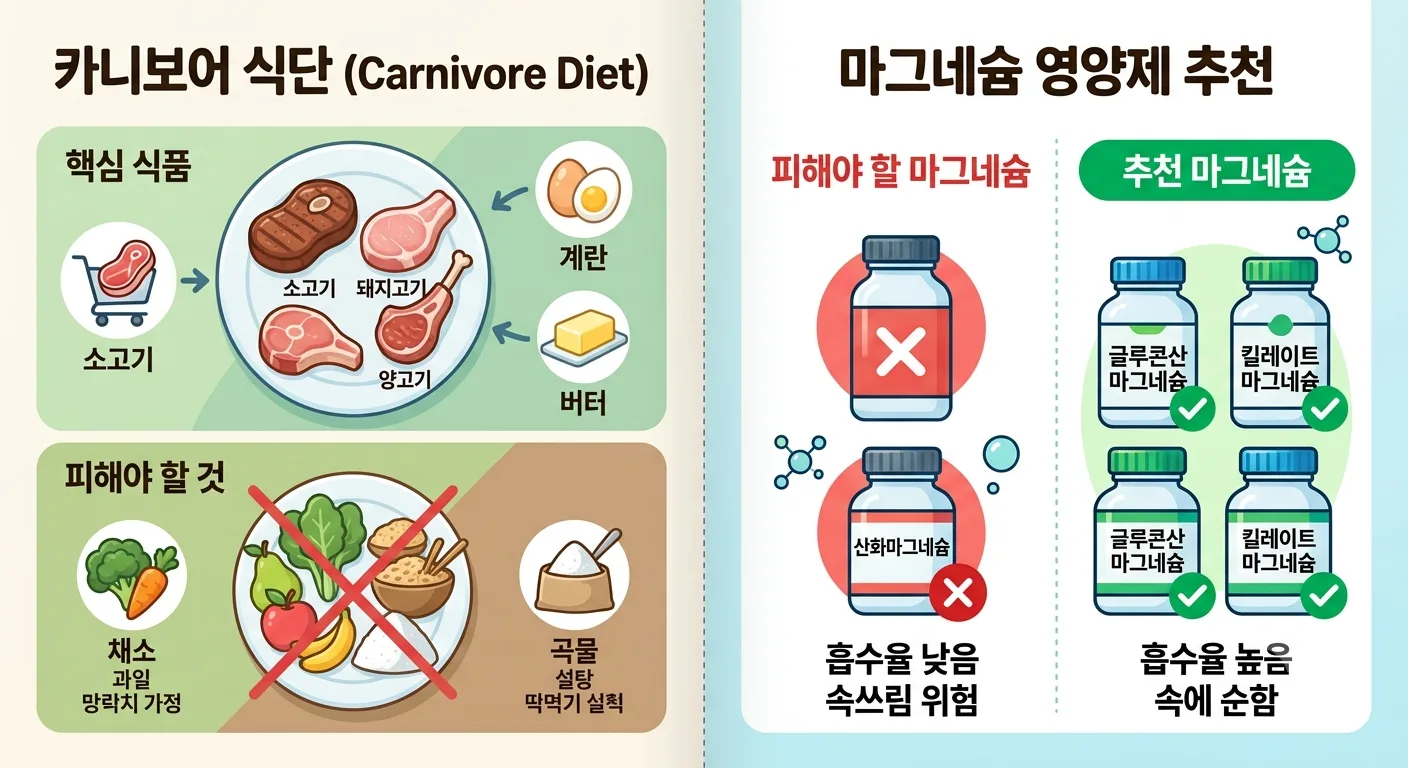
The Post-Holiday Quick Reset (A Guide to the Carnivore Diet and Magnesium Right After Chuseok)
That heavy feeling that always arrives when the Chuseok holiday ends: I go through it every time. Pancakes, galbi, songpyeon: by the time you've patted your belly in front of the table your parents and grandparents prepared and said "That was delicious," your body is already a tangle of fructose, carbohydrates, and fat.
7 min read Read % read -
Face and Neck Lymphatic Massage Was More Than Skin Care: A Plain-Language Guide to the Brain's Drain, "Arachnoid Fenestrations," Revealed in a New IBS Paper in Cell, and Everyday Habits That Help Clear Brain Waste
For the first time in 250 years, the first gateway through which waste leaves the brain has been identified: tiny openings 4.5 µm across, called "arachnoid fenestrations." When I heard the news, I honestly slapped my knee.
5 min read Read % read -
What Changed When I Started "Observing" My Day: Quantum Entanglement
Honestly, for a while I was letting my days drift by. Fifteen minutes opening and closing a delivery app, another twenty browsing a shopping site with nothing to buy. One day I looked closely at my daily routine and found there was far more of that time than I'd thought. That's when a question came to me.
5 min read Read % read -
The Early Bird Gets the Worm? No: Use the First 30 Minutes to Wake the Brain Out of Sleep Inertia, Its Most Vulnerable Moment
Honestly, for a long time I thought "what time you get up" was everything. I felt proud just to open my eyes at 5 a.m., and then lay in bed skimming KakaoTalk notifications and scrolling my Instagram feed. Back then I didn't know why my days always started in a haze even though I got up early.
5 min read Read % read -
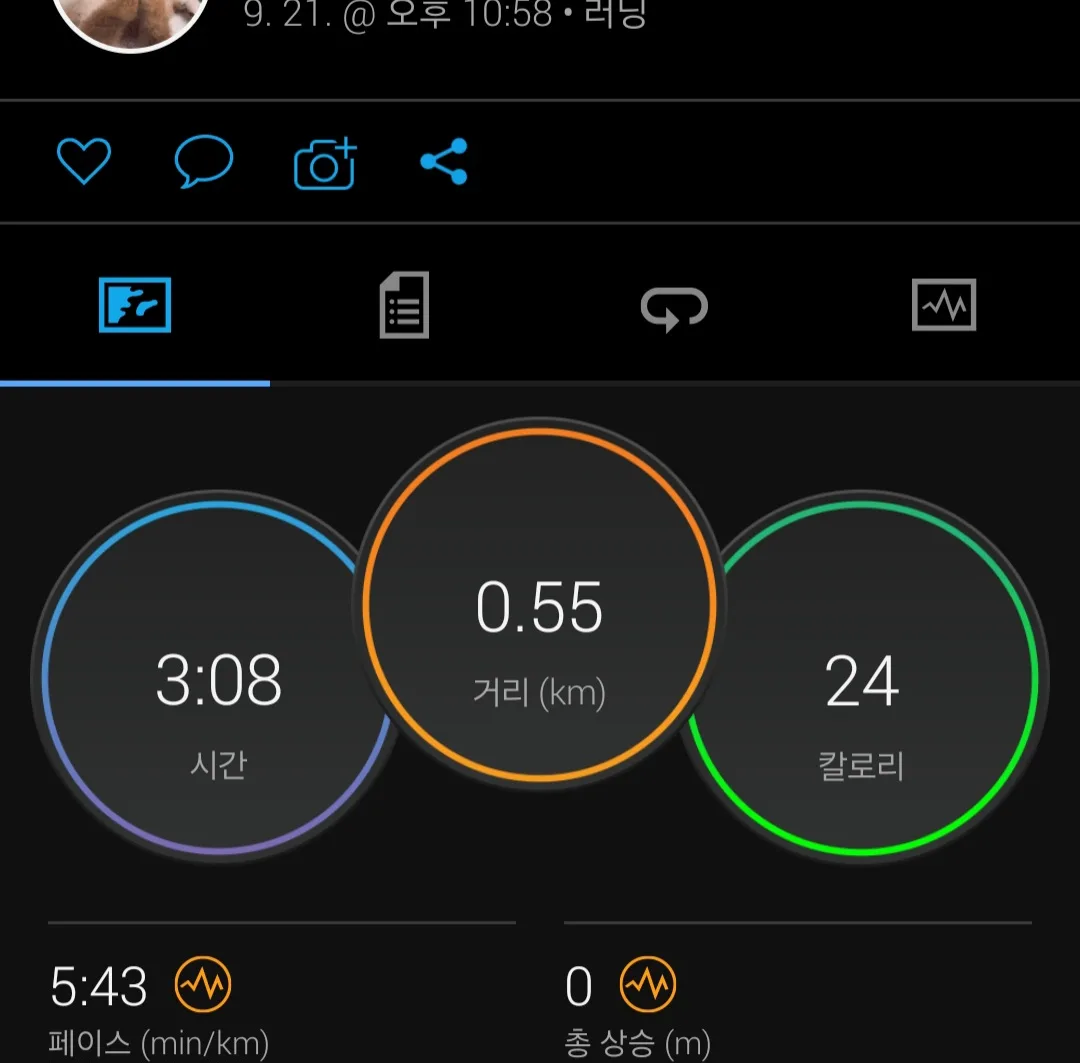
The Science and Mechanisms Behind How One Minute of High-Intensity Exercise (HIIE) Changes Brain Health
Recent research in exercise physiology and brain science keeps finding that even short bursts of intense exercise play a decisive role in activating brain function.
4 min read Read % read -
[Brain Science] If You Want to Break a Bad Habit, Reset the Brain's Reward Circuit with Sweat
Every night we vow, "Starting tomorrow I'll cut back on my phone" or "No more late-night snacks," and the next day we repeat the same behavior without fail. We usually blame a lack of willpower, but this is really not a problem of will; it's a problem of the brain's neurocircuitry.
4 min read Read % read -

If I'm Already Physically Exhausted, Won't Exercise Make Me Even More Tired? How Movement Wakes Up the Brain
On a day spent standing at work and battling stress, what do you do on your break or after work? Most of us probably flop onto the sofa or a chair and rest. At work, I too used to wait for mealtime and then rush to lie down and nap with the time left after eating.
3 min read Read % read -
Boosting Brain Function with a Carnivore Diet, Started on the Recommendation of Heo Nam-jun and Jang Seung-jo from You Quiz on the Block
The carnivore diet is a nutritional strategy that completely excludes plant toxins (oxalates, lectins, phytic acid and so on) and, in line with humanity's biological and evolutionary blueprint, consists only of the most nutrient-dense animal foods.
3 min read Read % read -
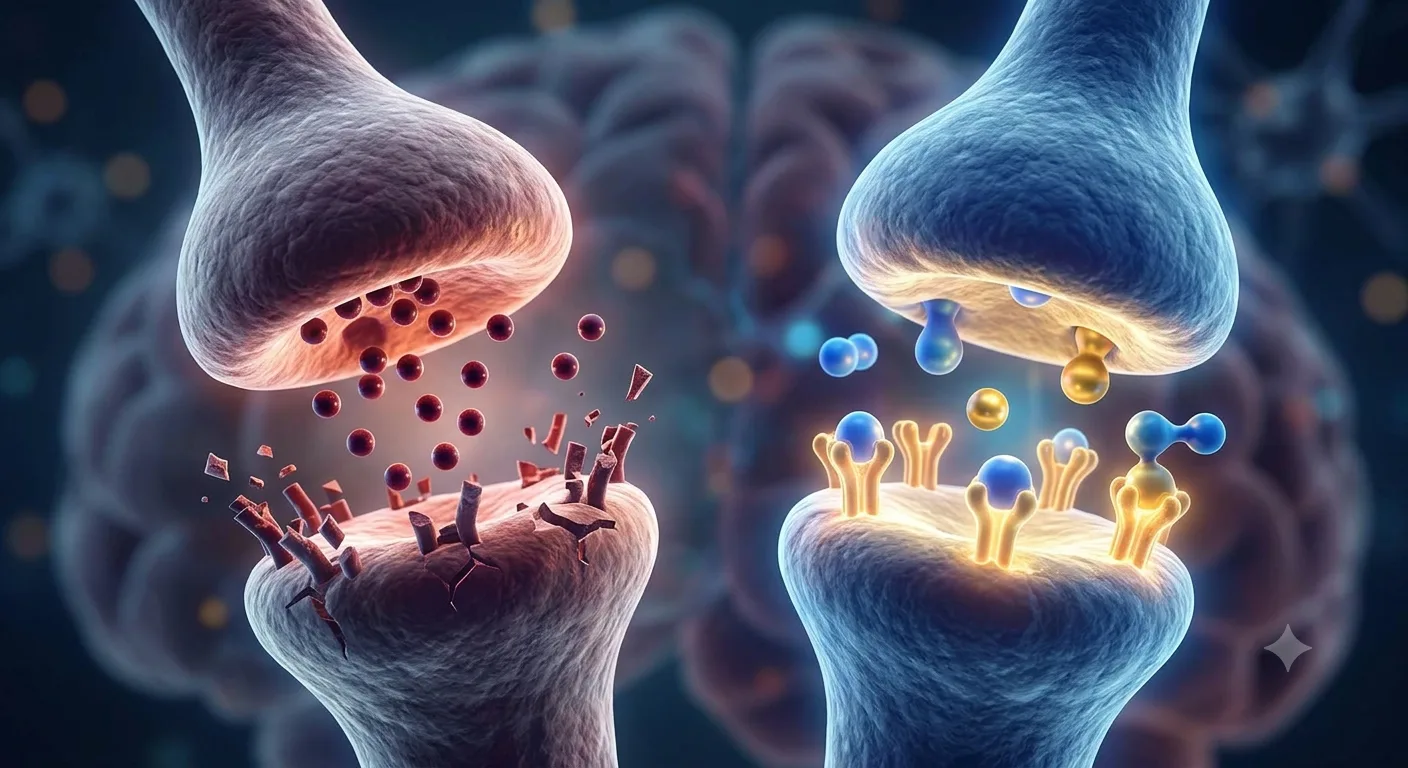
The Exercise Routine a Neuroscientist Found After Living with Anxiety: A Complete Guide to Putting the Brain Science of Exercise into Practice
More and more people say a single book got them lacing up their running shoes again. It's Move!, an eye-catching book by Jennifer Heisz, a neuroscientist who studies the relationship between exercise and the brain at McMaster University in Canada.
5 min read Read % read -
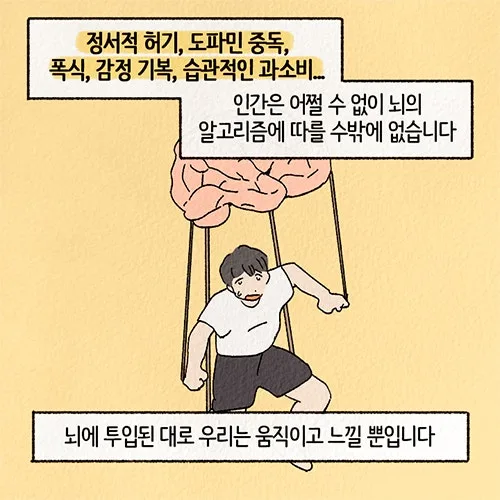
Why You Keep Giving Up on Diets and Put-Off Tasks: It Wasn't Willpower, It Was a Brain That Uses 20% of the Body's Energy
You're on a diet, and you ordered a late-night snack again anyway. The task you put off until tomorrow is still sitting there today. Have you ever blamed yourself, wondering why your willpower is so weak? In fact, these repeated choices are most likely not a willpower problem.
6 min read Read % read -

Raemian Gallery's Immersive Exhibition "A Part of Home": I'm Going for the Brain Science Talks, Starting with a Space That Feels Like Me
There are times when you're at home but your mind is elsewhere, and other times when you're completely absorbed at a single small desk. Lately, the theme of "immersion" has met brain science and is drawing attention in an unexpected place.
4 min read Read % read -
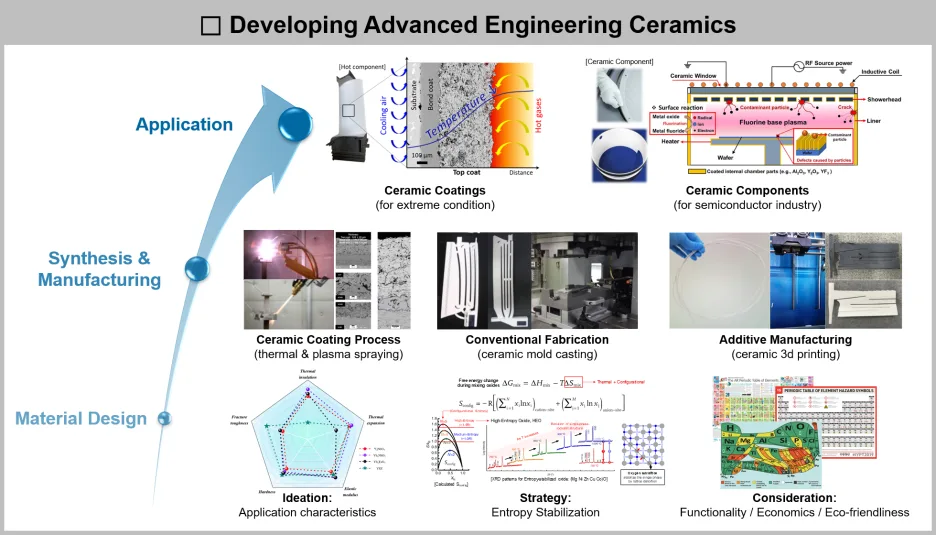
A Ceramic Engineering Problem Unsolved for Years: Why Did a Seoul National University Professor Crack It in Three Weeks?
Some problems show no sign of a clue even after years of effort. What if someone solved one in just three weeks, and did it purely by changing the way they thought, without special equipment or help? Would you believe it?
5 min read Read % read -
Why Diets and Savings Plans Last Only Three Days: It Wasn't Your Willpower
If you gave up on a diet three days in, it's easy to blame weak willpower. But psychology has a theory that explains this failure in a completely different way.
4 min read Read % read -

A Five-Minute Daily Habit: The Real Reason Your Brain Changes Is Neuroplasticity
Many of us make resolutions every morning and can't get past day three. But listening to a number of experts lately, their shared conclusion was that this isn't because of weak willpower. Visible changes really do appear in the brains of people who repeat a very small amount every day.
5 min read Read % read -
What If Repeated Emotional Reactions, Speech Habits and Even Habitual Attitudes Are Reflex Circuits the Brain Has Learned?
Have you ever heard a sharp remark in a meeting and had a cutting reply fly out before you had time to think? Looking back later, you often wonder why you reacted that way.
4 min read Read % read -

Why Saying an Affirmation 1,000 Times Doesn't Change You: Build Consistency in a Way That Reaches the Brain
Most of us have tried shouting "I can do it!" every morning at least once. A few weeks later we quietly stop, and it feels hollow because life doesn't seem to have changed much. But what if that's not because affirmations don't work, but because they're reaching the brain the wrong way?
4 min read Read % read -

If You Keep Doing Things You Regret, Your Brain Had Already Acted First
Why do we keep making the same choice in the moment even though we know we'll regret it later? We regret ordering a late-night snack, regret words blurted out in anger, procrastinate, pull an all-nighter before the deadline and regret it again. Curiously, neuroscientists explain that this pattern isn't a willpower problem but a problem of the order in which the brain works.
5 min read Read % read -

Skip the 5-Minute Warm-Up and Cool-Down, and You Cut Running's Brain Benefits in Half!
Do you start running the moment you've tied your shoelaces? In fact, it's said that nearly half of running's benefits for brain health are decided from that very moment. Speeding up suddenly without warming up not only strains your muscles and joints but can also change blood flow to the brain and the pattern of neurotransmitter release.
5 min read Read % read -
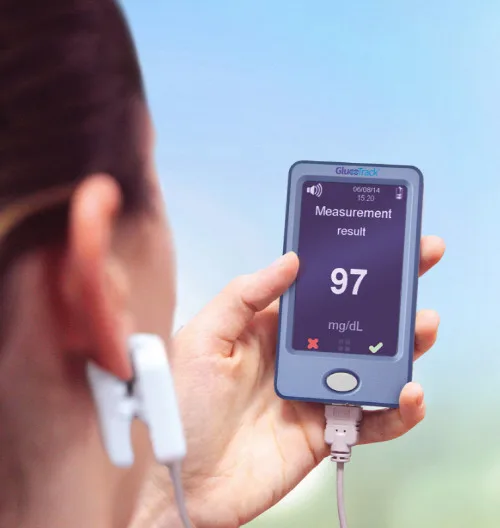
A Glucose Meter That Reads Brain-Health Signals From One Drop of Blood: How to Measure at Home
More and more people are reportedly looking for glucose meters at pharmacies and online stores. It's easy to think of them as tools only for people diagnosed with diabetes, but as the link between blood sugar and brain health becomes better known, many people now pick one up early as part of looking after their health.
6 min read Read % read -
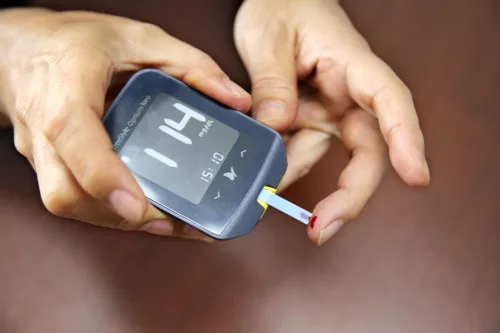
Normal Blood Sugar, but an Aging Brain? Self-Check Signs of Insulin Resistance
Read enough health news these days and one term keeps popping up: insulin resistance. You might assume it's about diabetes, but look closer and it's often mentioned side by side with dementia, which can feel a little unfamiliar.
5 min read Read % read -

Why Resolutions Keep Lasting Three Days, and How to Train the Frontal aMCC: Reading
There's one brain region that comes up a lot in neuroscience lately: the aMCC, or anterior midcingulate cortex. Interest has jumped as word has spread that this region, tucked just inside the frontal lobe, is closely tied to willpower and focus.
5 min read Read % read -
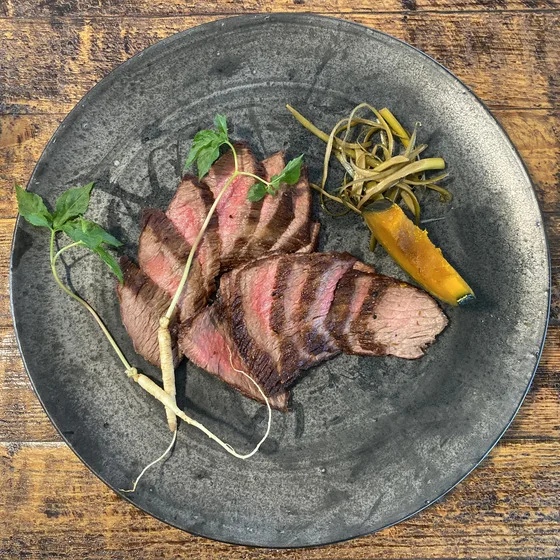
Eating Only Meat Changed Their Brains? What the Carnivore Diet Really Is
Going beyond low-carb, the carnivore diet, which cuts out vegetables and grains entirely and allows only meat and animal foods, is quietly becoming a hot topic in health communities. As reviews keep coming in about better focus and memory on top of weight loss, an unfamiliar term keeps appearing behind them: BDNF.
5 min read Read % read -

If Your Resolutions Keep Lasting Three Days, Start With BDNF and the aMCC, Not Willpower
When a plan you made in the morning fizzles out within three days, it's easy to blame a weak-willed personality. But neuroscience increasingly explains this not as a personality problem but as a question of how active certain brain regions are. At the center of that discussion are two terms: BDNF and the aMCC.
4 min read Read % read -
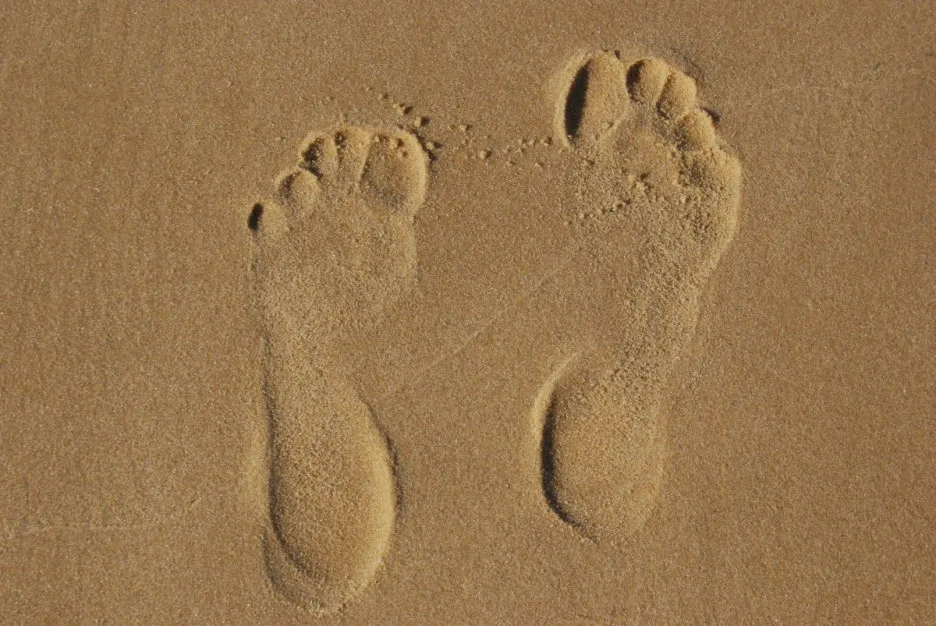
Flat Feet, High Arches, Normal Arches: How to Choose Running Shoes for Your Foot Arch
When buying new running shoes, many people look at the brand or design first. But if your knees or soles often hurt when you run, you may need to check the shape of your foot arch before the shoes. The arch absorbs shock when you walk or run, and its shape differs from person to person.
6 min read Read % read -
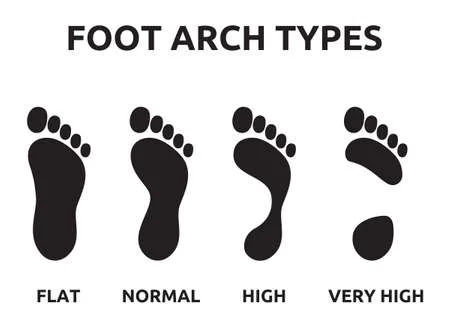
Running for Brain Health: A Beginner's Knee Pain May Come From Shoes That Don't Fit Your Arch
More and more people are taking up running these days. But a great many of them put their running shoes back in the closet within a few days because their knees or shins start aching. When you look for the cause, it's surprisingly common for it to be shoes that don't fit, not a lack of skill.
5 min read Read % read -

BDNF: Just 10 Minutes of Running Changes the Brain, and How to Start Running
Walk through a park or along the Han River these days and you'll notice far more people running in their running shoes. It isn't just to lose weight or build stamina. Lately there's been steady talk that running is closely tied to brain health, and in particular to a substance called BDNF.
4 min read Read % read -
What Does Insulin Do? And How Can You Use It Wisely?
"Eat lots of refined carbs (bread, white rice, flour) and you'll gain weight easily!" You've probably heard this many times. The hormone that plays a key role in weight gain when you eat high-glycemic-index foods is insulin.
3 min read Read % read -
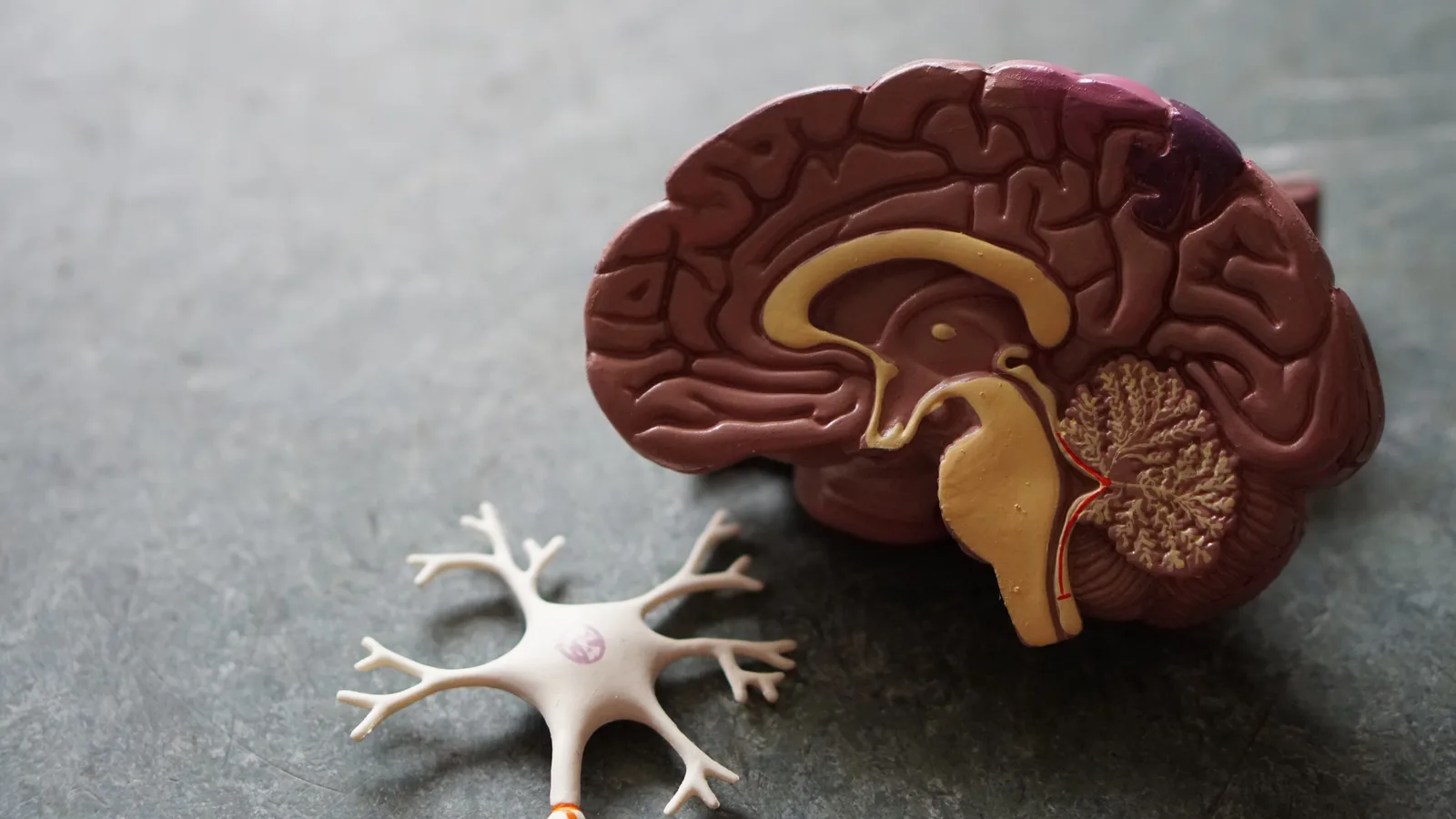
What Should You Eat Right Before a Big Day That Needs Brainpower?
Today gave me a reason to think about which foods help in the few hours before an event that may not matter much to others but matters a lot to you. To be honest, I didn't get the result I wanted today.
2 min read Read % read -
Which Foods Are Rich in BDNF?
We've looked at how to boost BDNF, which affects our cognitive function and the survival and plasticity of nerve cells, what causes BDNF to run low, and how to improve it.
2 min read Read % read -
What Causes BDNF Deficiency? And Does Brain Health Improve Too?
In the previous post we looked at what BDNF does for the brain. This time, let's look at what causes BDNF to run low and what gets in the way of its release: stress, lack of exercise and too much sugar.
2 min read Read % read -
BDNF, Brain-Derived Neurotrophic Factor: What Are You?
You may have read that intermittent fasting increases BDNF and plays a positive role in improving cognitive function. Here's what BDNF actually is, what it does in our bodies and how to raise it the right way.
3 min read Read % read -
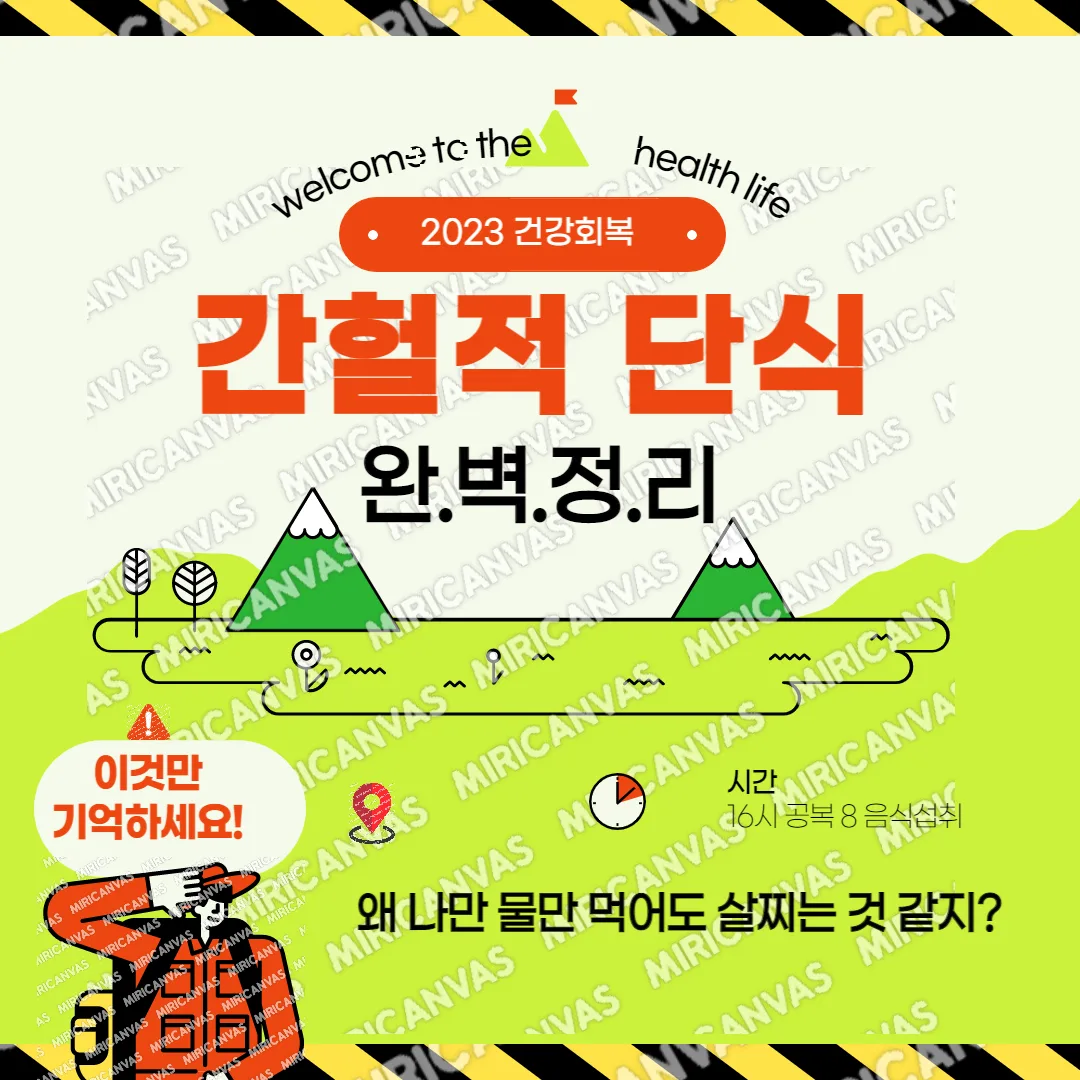
Intermittent Fasting: A Secret for Those Who Gained Weight Over the Holidays
Did you have a good time with family over the 2023 Lunar New Year holiday? During the break with my parents, along with the good times, I came back with some bulking up I didn't need. Holiday food is high in calories, but I think it's mostly because I kept eating at all hours.
3 min read Read % read -

Three Ways to Achieve Your Goals
Are you making good progress toward the goals you set for the new year of 2023? To make 2023 a year of growth, I was drawn in by the tagline "a diary that changes your life" and splurged on a 35,000-won diary, but most of my plans are moving more slowly than I expected.
4 min read Read % read -
Memory Is Less True Than We Think. So Write It Down
Explicit, semantic, episodic and autobiographical memory: how the brain stores our past, why emotion strengthens memories, and why the very act of recalling a memory changes it.
4 min read Read % read -
Lifelong Connectivity: Neuroplasticity
People say brain function declines step by step after our twenties. But neuroplasticity, the brain's ability to strengthen, restore and to some extent rewire itself, continues throughout life.
3 min read Read % read -
Wake Up Your Neuroplasticity
People say our heads stiffen with age, but the brain keeps changing throughout life. Here's how to wake up neuroplasticity: movement, the gut, sleep, and information, laughter and happiness.
5 min read Read % read -

Is the Placebo Effect Real? Let's Find Out
If you came here wondering whether the placebo effect really exists, see what Dr. Monty Lyman has to say. In my last post, I shared the four things I'm doing right now as my secret to success.
2 min read Read % read -
The Secret of Success
Neuroplasticity means that, like plastic that can change shape freely, our brains can also be changed in the direction we want. We want our brains to change like the brains of successful people.
2 min read Read % read -
The Brain Is Changing
When we try something new, our brain says, "Hey, what are you doing? Why not just keep living the way you always have?" and hands us the gift of sleep. It's not laziness: it's a brain resisting a new system.
2 min read Read % read
No posts here yet.
— no matching posts.