You stopped at last time.
The story in four panels
What is the carnivore diet?
-
1The problem
A tired person with a lowered head beside an almost empty battery I can't focus…
Many people say their focus clouds over after carb-heavy meals.
-
2How it works
A sprout growing from the top of a brain Ketones as fuel
Cutting carbs is said to make ketone bodies the brain's fuel and stimulate BDNF.
-
3What to do
A plate with meat, an egg, and greens, with a fork and knife Start with meat and eggs
Shift slowly toward animal foods, and be sure to get enough water and electrolytes.
-
4The change
A brain with an even wave and a slowly beating heart Clearer, but carefully
Some reviews report benefits, but if you have a condition, talk to an expert first.
A diet that people say changed their brains on meat alone?
Going beyond low-carb, the carnivore diet, which cuts out vegetables and grains entirely and allows only meat and animal foods, is quietly becoming a hot topic in health communities. As reviews keep coming in about better focus and memory on top of weight loss, an unfamiliar term keeps appearing behind them: BDNF. When I first heard it could support brain health, too, I was only half convinced.
BDNF stands for brain-derived neurotrophic factor, a protein that helps create nerve cells and strengthen their connections. When its levels are well maintained, it’s known to help with learning, memory and mood regulation. And curiosity is growing now that the carnivore diet is being mentioned as one way to stimulate BDNF.
So today I’ll go through exactly what the carnivore diet is, what relationship it’s said to have with BDNF, and how to approach it if you actually want to start. Since it’s an extreme diet, I’ll try to weigh the pros and cons evenly.
What is BDNF, and why is everyone trying to boost it?
BDNF is a protein in the brain that supports the creation and survival of nerve cells and strengthens the nerve connections called synapses. Just as muscles need stimulation to grow, the brain is known to need enough of this substance to build and maintain new nerve connections. Since its levels tend to fall naturally with age, interest has recently focused on ways to maintain or raise it.
Many factors, such as exercise, sleep and eating habits, are known to affect BDNF levels, and diet gets particular attention because blood sugar and inflammation directly affect the brain’s environment. Swinging blood sugar or chronic inflammation can weigh on how the brain functions. That’s the background against which the carnivore diet comes up.

What exactly is the carnivore diet?
The carnivore diet is, as the name says, a meat-centered diet: you eat only meat, fish, eggs and small amounts of dairy, and largely exclude vegetables, grains, fruit and sugar. Think of it as restricting carbohydrates even more drastically than a low-carb or ketogenic diet. A typical setup puts red meat such as beef or lamb at the center, with organ meats or fish alongside.
Because you don’t eat vegetables at all, it can feel strange at first, but many people who try it say digestion became easier and bloating decreased. That said, this varies a lot from person to person, so not everyone gets the same effect.

Cut carbs, and ketone bodies are known to become the brain’s new fuel
Why the carnivore diet is said to stimulate BDNF
When you eat almost no carbohydrates, as on the carnivore diet, the body produces an alternative fuel called ketone bodies, and studies suggest these ketones may act as a signal that helps the brain produce BDNF. Large-scale human studies aren’t yet sufficient, so it’s hard to say anything definitive, but the discussion is moving toward the idea that a low-carb state may send a positive signal for the brain’s neuroplasticity.
Another factor is stable blood sugar. Eating habits that make blood sugar spike and crash are known to trigger inflammatory responses in the brain too, and some see an advantage in the carnivore diet here because blood sugar fluctuates relatively little. Still, it’s worth keeping in mind that all of this is an area still being researched.
If you want to start, approach it this way
Cutting out vegetables and grains completely from the start can strain the body, so I recommend a step-by-step approach. The first step is to cut back on refined carbohydrates such as bread, snacks and soft drinks, and fill that space with meat and eggs. People commonly say it takes about a week for the body to adjust at this stage.
In the second step, it’s good to gradually reduce the share of vegetables while widening the variety of meat. Rather than sticking to lean meat only, eating fatty cuts and organ meats too keeps your nutrition from falling out of balance. Third, you must look after your water and electrolyte intake: without vegetables, your potassium and magnesium intake can drop, so it’s good to pay more attention than usual to salt and water.

Foods you can eat and foods best avoided
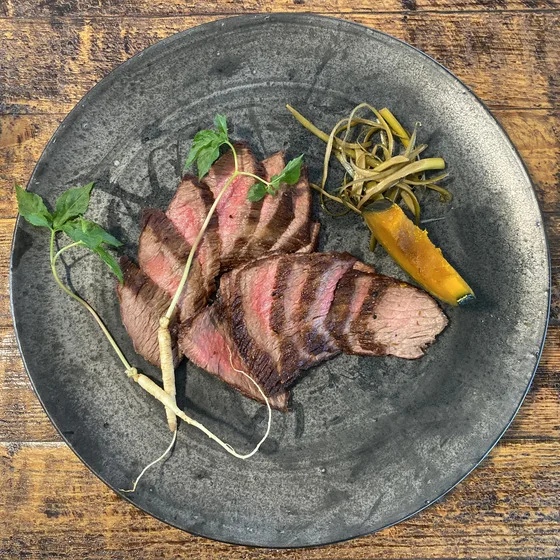
The basics of the carnivore diet are meats such as beef, pork, chicken and lamb, and fish such as salmon and mackerel. Eggs are also counted as an excellent protein source, and small amounts of dairy such as butter or cheese are often added. The usual approach is to season with just salt and pepper and bring out the ingredients’ natural flavor.
On the other hand, grains such as rice and flour, vegetables, fruit and processed foods containing sugar are excluded from this diet. Nuts and legumes are often restricted as well. At first it may look like there’s nothing left to eat, but once you vary the cuts of meat and cooking methods, you can put together meals that are less monotonous than you’d expect.
It can work, but there are clear cautions too
It’s true that many reviews report losing body fat and having a clearer head on the carnivore diet, but there are also reports of constipation and changes in cholesterol levels. Since your fiber intake almost disappears, people with sensitive guts may feel some discomfort early on.
If you have a kidney or liver condition or are pregnant, I strongly recommend consulting your medical team before starting such an extreme diet. If you plan to keep it up for a long time, don’t forget to check your condition with regular health checkups. Whatever you do, the most important thing is to adjust within limits that don’t strain your body, while keeping an eye on how you feel.
In the end, the relationship between the carnivore diet and BDNF is still an actively researched topic, so it’s hard to say definitively that doing this alone will improve your brain. However, the general direction of stabilizing blood sugar and reducing refined carbohydrates is known to help many health markers, so rather than following it to the extreme, I recommend adapting it to suit your own body. If you do start, go slowly and watch how your body responds.
If you’d like to keep up with carnivore diet and brain health tips, be sure to follow along!
Was this article helpful?
Your choice is saved only in this browser and is never sent anywhere.