You stopped at last time.
The story in four panels
Brain health in one drop of blood
-
1The problem
A plate with meat, an egg, and greens, with a fork and knife Sweets make me sleepy
When blood sugar swings widely, the brain tires along with it.
-
2How it works
A drop of blood and a glucose meter Blood sugar and brain are linked
As the link between blood sugar and brain health becomes known, more people are measuring.
-
3What to do
A drop of blood and a glucose meter Wash, dry, measure
Wash your hands, dry them well, then measure. Two or three times a week is enough.
-
4The change
A plate with meat, an egg, and greens, with a fork and knife Vegetables first
See a doctor if 126 mg/dL or higher repeats. Day to day, eat vegetables and protein first.
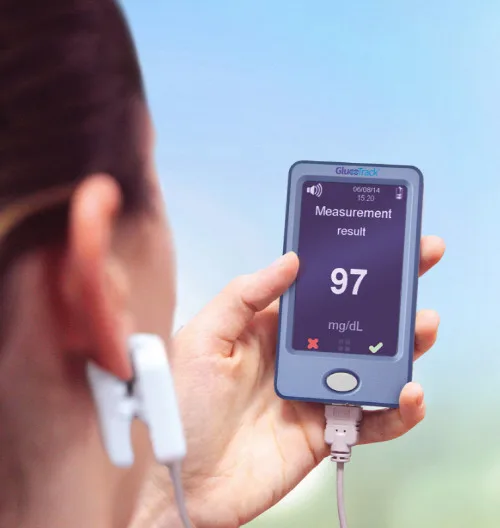
One prick of the fingertip, and it tells you about your brain health, too?
More and more people are reportedly looking for glucose meters at pharmacies and online stores. It’s easy to think of them as tools only for people diagnosed with diabetes, but as the link between blood sugar and brain health becomes better known, many people now pick one up early as part of looking after their health. In fact, it’s not unusual to find that the wider your blood sugar swings, the more your focus drops and the foggier your head feels.
A glucose meter is a small device that takes a tiny amount of blood from your fingertip and shows your current blood sugar level within seconds. Its biggest advantage is that, unlike the fasting blood sugar test at a clinic, you can measure at home whenever you like. You can see for yourself how the numbers change by situation: on an empty stomach in the morning, right after a meal, before and after exercise.
For those using a glucose meter for the first time, this post walks through how to choose a device, the actual steps for using it, how to read the numbers, and when and how often to measure. It may sound complicated, but if you follow along in order, it’s simpler than you’d think.
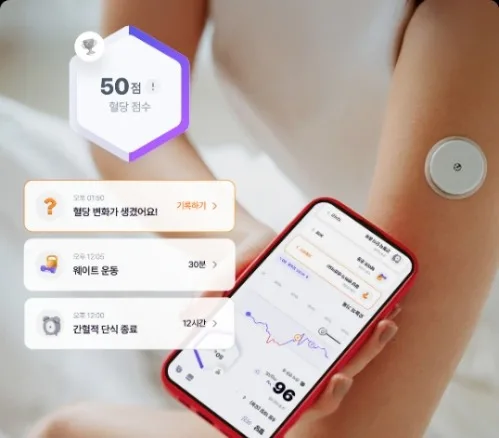
What does blood sugar have to do with brain health?
The idea that blood sugar and brain health are linked may sound unfamiliar. But the brain is one of the organs that consumes the most glucose in the body, drawing a large share of its total energy from blood sugar. When blood sugar is repeatedly too high or too low, the energy supply that brain cells need becomes unstable, which can lead to poorer focus and fatigue.
In particular, when blood sugar shoots up after a meal and then drops quickly, it’s commonly called a blood sugar spike. There have been steady reports that repeating this cycle can put a strain on blood vessels and nerve cells. That’s why, even without a diabetes diagnosis, checking your everyday blood sugar pattern is getting attention as one way to look after brain health.
The wider your blood sugar swings, the more easily the brain tires.
Of course, a single glucose meter can’t fully diagnose the state of your brain health. What makes it meaningful is that you can see with your own eyes how your body responds to particular foods and lifestyle habits. If warning signs keep showing up, don’t stop at self-diagnosis; it’s best to get a consultation at a nearby clinic.
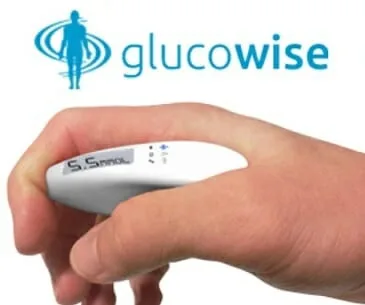
Types of glucose meters and how to choose one
Glucose meters fall into two broad types. There’s the standard blood glucose meter, where you prick your fingertip with a lancet and put a small drop of blood on a test strip, and the continuous glucose monitor (CGM), a small sensor attached to your arm that tracks blood sugar changes in real time. Standard meters are inexpensive and easy to find at pharmacies or online, so they’re a low-pressure way to start.
A continuous glucose monitor lets you see your blood sugar as a graph throughout the day, making it a good fit for people who want a detailed picture of how meals and exercise change it. On the other hand, the sensor costs money every time, and living with it stuck to your arm can feel a bit inconvenient. One approach is to start with a standard meter and move to a CGM if you need to.
When choosing a device, the less blood it needs and the shorter the measuring time, the easier it is to use. It’s also worth checking the price of test strips in advance, because in the long run the cost of the strips, which are consumables, can be a bigger burden than the device itself.
How to use a glucose meter
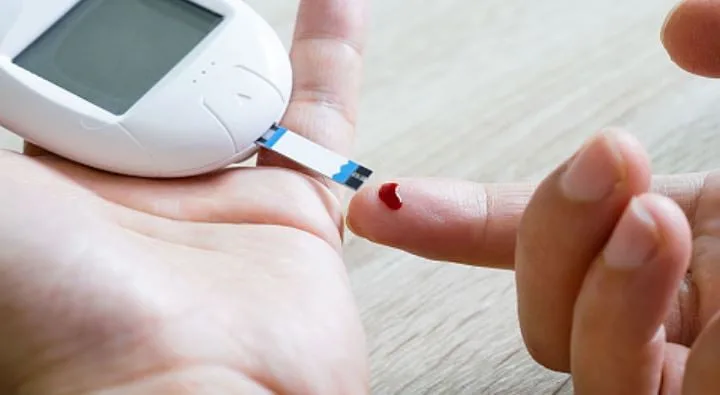
First, wash your hands well with soap and dry them completely. Any food residue or moisture left on your hands can make the reading come out higher or lower than it really is, so washing properly matters more than you might think. Next, load a lancet into the device and gently prick the side of your finger.
Pricking the side rather than the center of the fingertip is known to hurt less. Touch the drop of blood to the end of the test strip, and the number appears on the screen within a few seconds. When you’re done, throw away the used lancet and test strip right away; for hygiene, it’s safest not to reuse the same lancet.
Most devices today automatically store the date, time and reading, so you can check trends later without writing anything down. If the product connects to a smartphone app, you can see everything at a glance as a graph, which is even more convenient.
Normal ranges: how high is still okay?
A fasting blood sugar of 70–99 mg/dL is usually considered the normal range. Between 100 and 125 mg/dL is classed as impaired fasting glucose, in other words prediabetes, and if readings of 126 mg/dL or higher repeat, diabetes may be suspected. These are only general guidelines, though; as a rule, an accurate diagnosis should come from a clinic.
Blood sugar measured one to two hours after a meal is usually considered normal if it’s under 140 mg/dL. If it comes out higher than that, and repeatedly so, it’s worth reviewing what you eat and your lifestyle habits. Rather than riding the highs and lows of each individual reading, it’s more meaningful to watch the pattern over several days or weeks.
If your blood sugar keeps fluctuating, or you often have symptoms of low blood sugar such as dizziness, cold sweats or trembling hands, it’s safer to see a doctor rather than relying on self-care alone.
When and how often should you measure?
If you haven’t been diagnosed with diabetes, there’s no need to measure every day. Instead, measuring two or three times a week, both on an empty stomach and after a meal, helps you understand your body’s blood sugar pattern. Comparisons are especially easy if you measure at moments when you want to see a change, such as after eating something unusual or the morning after a late-night snack.
We recommend measuring once on an empty stomach right after you wake up, and once one to two hours after a meal. Measuring before and after exercise also lets you see for yourself how exercise affects your blood sugar, which can be motivating.
If you’ve already been diagnosed with diabetes, it’s right to follow the number of times and timing your doctor recommends first. Please keep in mind that self-measurement is, at the end of the day, a supplementary tool.

Blood sugar tips that look after your brain, too
The easiest way to reduce blood sugar spikes is to change the order in which you eat. Eating vegetables or protein first and carbohydrates such as rice or noodles later helps blood sugar rise more gently. A light walk after meals is also known to help keep blood sugar from shooting up.
Regular sleep and stress management also play a big role in keeping blood sugar stable. When you’re short on sleep or under heavy stress, the balance of the hormones that regulate blood sugar is easily thrown off. Using the readings from your glucose meter to find, one by one, the meals and habits that suit you may be the most realistic way to protect your brain health.
A glucose meter is less a diagnostic tool and more a reference for understanding your own body. Rather than reacting too sensitively to the numbers, steadily watching the trend and getting expert help when needed is probably the most balanced approach.
If this helped you look after your brain health with a glucose meter, please give it a like!
Was this article helpful?
Your choice is saved only in this browser and is never sent anywhere.