You stopped at last time.
The story in four panels
Normal blood sugar, aging brain?
-
1The problem
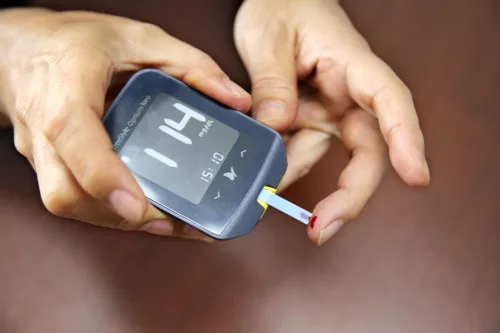
A drop of blood and a glucose meter But my blood sugar is normal?
Even without a diabetes diagnosis, some signs mean you can't relax.
-
2How it works
A sprout growing from the top of a brain The brain uses insulin too
Insulin resistance dulls the brain, especially the hippocampus, which is why it's called "type 3 diabetes."
-
3What to do
A person lifting a barbell Add strength to walking
Walking alone may not be enough. Add strength training and balance exercises.
-
4The change
A brain with an even wave and a slowly beating heart Check the signs
If you notice heavy sleepiness and fatigue after meals or a growing waistline, see a doctor.
The idea that Alzheimer’s might really be a kind of diabetes in the brain
Read enough health news these days and one term keeps popping up: insulin resistance. You might assume it’s about diabetes, but look closer and it’s often mentioned side by side with dementia, which can feel a little unfamiliar.
In fact, many recent health articles repeat the warning that you can’t relax just because you haven’t been diagnosed with diabetes. Blood sugar in the normal range doesn’t mean there’s no insulin resistance, and research keeps finding that this resistance isn’t unrelated to brain health.
Today, let’s go step by step through why insulin matters for the brain beyond regulating blood sugar, how insulin resistance can affect dementia risk, and what signs you can check for yourself in daily life.

The brain uses insulin, too
Insulin is usually known only as the hormone that lowers blood sugar, but it actually plays an important role inside the brain as well. Insulin receptors exist in many brain regions, including the hippocampus, which handles memory, and only when these receptors receive signals normally can nerve cells use energy properly and form memories smoothly.
When insulin resistance develops, however, this signaling becomes sluggish. Just as blood sugar control becomes harder throughout the body, many researchers are focusing on the possibility that nerve cells inside the brain may stop responding properly to insulin signals. That’s why a growing number of people see insulin resistance not simply as a precursor to diabetes but as a problem connected to brain health.
Why dementia is called “type 3 diabetes”
Some of you may have seen recent articles describe dementia as type 3 diabetes. First, I want to point out that this isn’t an official disease classification; it’s an expression researchers use to describe several metabolic abnormalities seen in Alzheimer’s disease. Nor does it mean Alzheimer’s is the same disease as diabetes.
Still, there’s a reason the expression came about. It stems from the hypothesis that factors such as brain insulin resistance, metabolic abnormalities and chronic inflammation often appear together with cognitive decline. The 2024 report of the Lancet Commission on dementia also treated metabolic and lifestyle factors together as dementia risk factors, and there’s a clear trend toward not viewing dementia narrowly as a problem of the brain alone.
What insulin resistance does inside the brain
To get a bit more specific, brain insulin resistance is said to affect the phosphorylation of tau protein. Tau is considered one of the hallmark pathologies of Alzheimer’s disease, and it’s known to be closely tied to cognitive decline and disease severity.
On top of that, insulin resistance is linked to blood vessel health. When vascular function declines, blood flow to the brain, or perfusion, can decrease, which can leave brain cells without enough oxygen and nutrients. Chronic inflammation is also described as being involved in this process; in the end, it’s not one cause but several factors overlapping that shake brain health.

Why you can’t relax even without a diabetes diagnosis
Here’s the part many people miss: insulin resistance isn’t only relevant to people diagnosed with diabetes. Even in states not yet diagnosed as diabetes, such as impaired fasting glucose or prediabetes, insulin resistance may already be under way.
The concept of metabolic inflammation is also worth a look. When abdominal obesity, lack of sleep, frequent drinking and late-night eating and stress pile up, chronic low-grade inflammation develops in the body, and this can drive both insulin resistance and vascular dysfunction. So rather than relaxing completely just because your blood sugar was normal at a checkup, it’s important to look at these metabolic signals as a whole.
Check for insulin resistance if you notice these signs
Insulin resistance often has no clear, specific symptoms, so it’s hard to notice on your own. Still, a few signs are worth considering. Typical ones are feeling unusually sleepy and heavily fatigued after meals, a waistline or belly that keeps growing, and fasting blood sugar or triglyceride levels that land on the borderline at a checkup.
✓ Severe drowsiness and fatigue right after meals keep recurring
✓ Your waistline and belly fat are slowly increasing
✓ Fasting blood sugar or triglycerides are close to the upper limit of normal
✓ There’s a history of diabetes in your family
If several of these apply, rather than diagnosing yourself, I’d recommend taking a closer look at the relevant numbers at your health checkup and, if needed, consulting a doctor.
Attempts to improve resistance with medication
The medical world is also actively researching whether improving insulin resistance can protect the brain. Recent articles report that drugs that improve insulin resistance and ease the load on the pancreas, such as metformin, SGLT-2 inhibitors and GLP-1 drugs, are now being studied for brain-protective effects as well.
There are still reasons for caution, though. Phase 3 clinical trials in Alzheimer’s disease have reported mixed results, with biomarkers improving while actual clinical effects did not always follow, so it’s too early to declare a definite therapeutic effect. It’s also noted that during fasting, infection or severe acute illness, these drugs can raise the risk of complications such as ketoacidosis, so it’s safest to decide whether to take them only in consultation with your medical team.

How to lower resistance through lifestyle
Apart from medication, correcting lifestyle habits is considered the most basic and reliable approach. At a recent health lecture, the speaker stressed that habits that use your muscles are important for improving insulin resistance, calling regular exercise the best way to help prevent many chronic diseases. Walking alone may not be enough; the explanation was that combining strength training and balance exercises is effective.
On the diet side, research suggests that cutting back on sugar helps. One study found that people whose sugar intake was reduced in early childhood had a lower risk of dementia as adults, and it was suggested that sugar can affect brain health through insulin resistance, neuroinflammation and oxidative stress. Add enough sleep and stress management on top of that, and you create a far more favorable environment for lowering insulin resistance.
In the end, insulin resistance should probably be seen not as a problem of diabetes alone but as a signal that touches brain health too. Rather than grand treatments, checking your eating, exercise and sleep a little at a time, starting right now, can be the real start of prevention. I hope you’ll use the checklist above to take a look at your own lifestyle at least once.
Share this story about dementia prevention and insulin resistance with family who’d benefit, or save it to read again later.
Was this article helpful?
Your choice is saved only in this browser and is never sent anywhere.