You stopped at last time.
The story in four panels
Running shoes for your foot arch
-
1The problem
A person running lightly with motion lines My soles hurt…
If your knees or soles hurt every time you run, look at your feet before your shoes.
-
2How it works
A running shoe with the curve of the foot arch beneath it The arch takes the shock
The foot arch absorbs landing shock. Flat feet and high arches need different shoes.
-
3What to do
A running shoe with the curve of the foot arch beneath it Stability for flat, cushion for high
Flat feet: stability shoes that control overpronation. High arches: maximal cushion.
-
4The change
A brain with an even wave and a slowly beating heart Try them in the afternoon
Trying shoes on in the afternoon or evening, when feet swell slightly, means fewer bad buys.
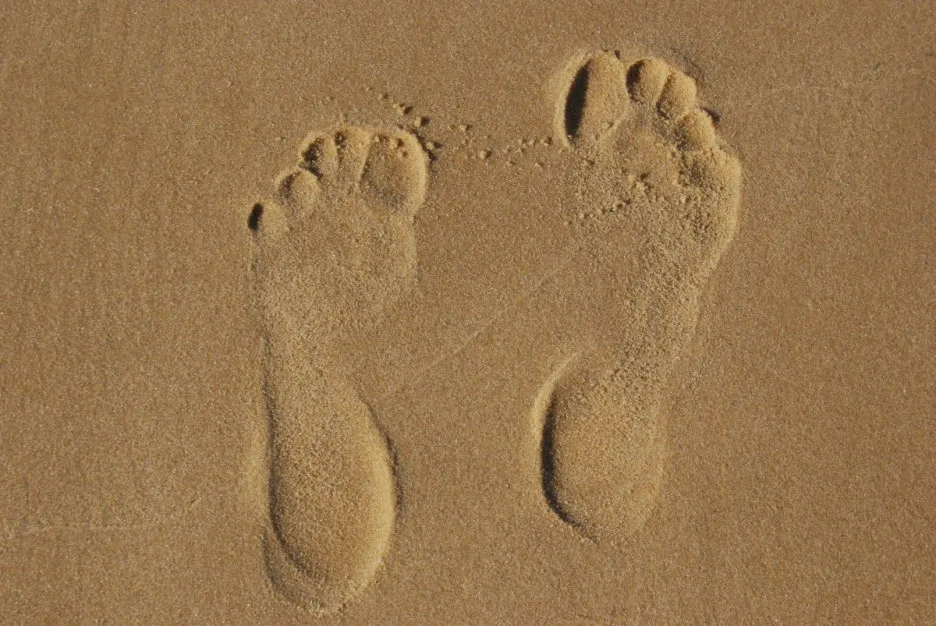
Did you know the shape of your foot alone completely changes which running shoe you need?
When buying new running shoes, many people look at the brand or design first. But if your knees or soles often hurt when you run, you may need to check the shape of your foot arch before the shoes. The arch absorbs shock when you walk or run, and its shape differs from person to person.
In fact, orthopedic clinics and specialist running stores recommend checking your arch before choosing running shoes. Even with the same brand and model, the strain on the body is completely different for someone with flat feet and someone with high arches. If you bought expensive running shoes and your knees or ankles still keep hurting, you may have missed this part.
Today I’ve put together how to check your arch type easily at home, the features of running shoes that suit flat feet, high arches and normal arches, and a checklist you shouldn’t skip when choosing running shoes. If you’ve been wondering whether your current shoes fit your feet, reading to the end should help.
What is the foot arch, and why does it decide your running shoes?
The foot arch is the arch-shaped curve on the inner side of the sole. It works like a spring, spreading out the shock on your feet when you walk or run. If the arch is too low or, conversely, too high, this shock absorption doesn’t work properly, and the strain can travel up to your knees, ankles and even lower back.
Running in particular repeatedly puts far more impact on the feet than walking. With each step, a force reportedly reaching two to three times your body weight lands on your foot, and how well your arch absorbs that force greatly changes your risk of injury. That’s exactly why the same running shoe feels comfortable to one person and uncomfortable to another.
The foot arch decides how well landing shock is absorbed
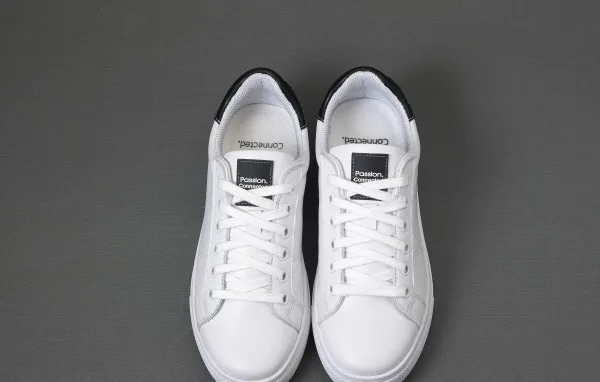
How to check your own foot arch
There’s a simple way to estimate your arch type at home without going to a clinic. Lightly wet the soles of your feet, then stand naturally on dry paper or the floor to leave footprints. By looking at how deeply the inner line of the footprint curves in, you can get a rough idea of your arch shape.
If almost the entire inner side of the footprint shows in a nearly straight line, you’re close to flat feet; if only the ball of the foot and the heel print lightly and the middle is narrow, almost broken, you likely have high arches (pes cavus). If the inner line curves in gently, somewhere in between, it’s often a normal arch.
This method is only for reference, though; if you need an accurate assessment, I recommend a foot-pressure scan at a specialist running store or a gait analysis at an orthopedic or rehabilitation clinic. If the soles of your old sneakers are unusually worn on one side, that can also be a hint about the state of your arch.
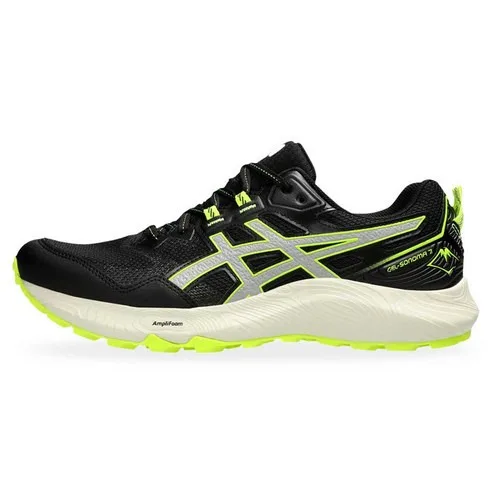
If you have flat feet, these running shoes are comfortable
Because flat feet have a low arch, the foot tends to roll inward excessively when landing, which is called overpronation. When this repeats, strain easily builds up on the inside of the knee, the shins and the plantar fascia. That’s why people with flat feet should look at running shoes with a stability function that controls the foot’s rotation.
In stores, these are products usually classified as stability or motion-control shoes. They have firm material reinforcing the inner side of the shoe to keep the foot from collapsing too far inward. If, when you try them on, the inner arch area feels gently supported rather than floating, that’s a sign they fit well.
When people with flat feet wear shoes that only have good cushioning, the foot can actually wobble more unstably, bringing on fatigue sooner. I recommend trying them on in the store and walking a few steps to make sure the inside of your foot feels comfortably supported.
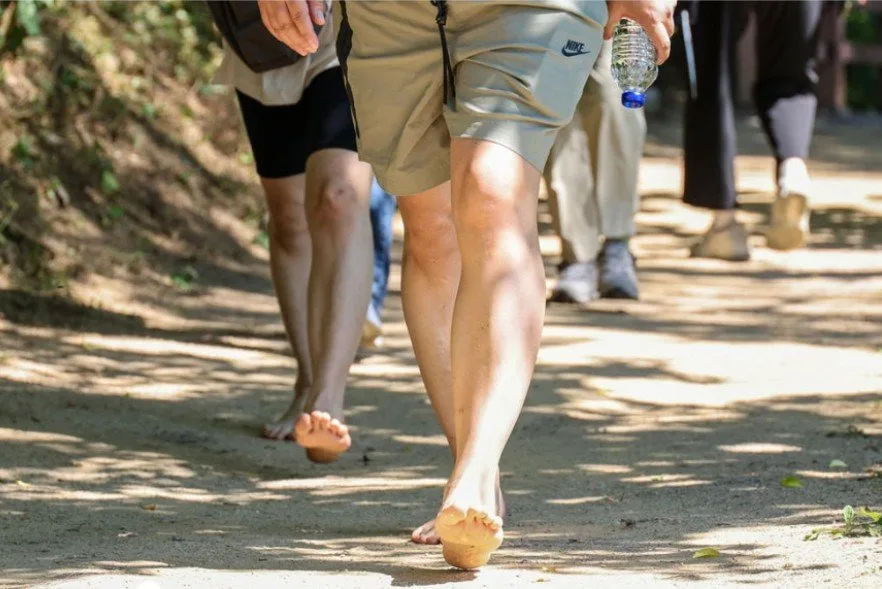
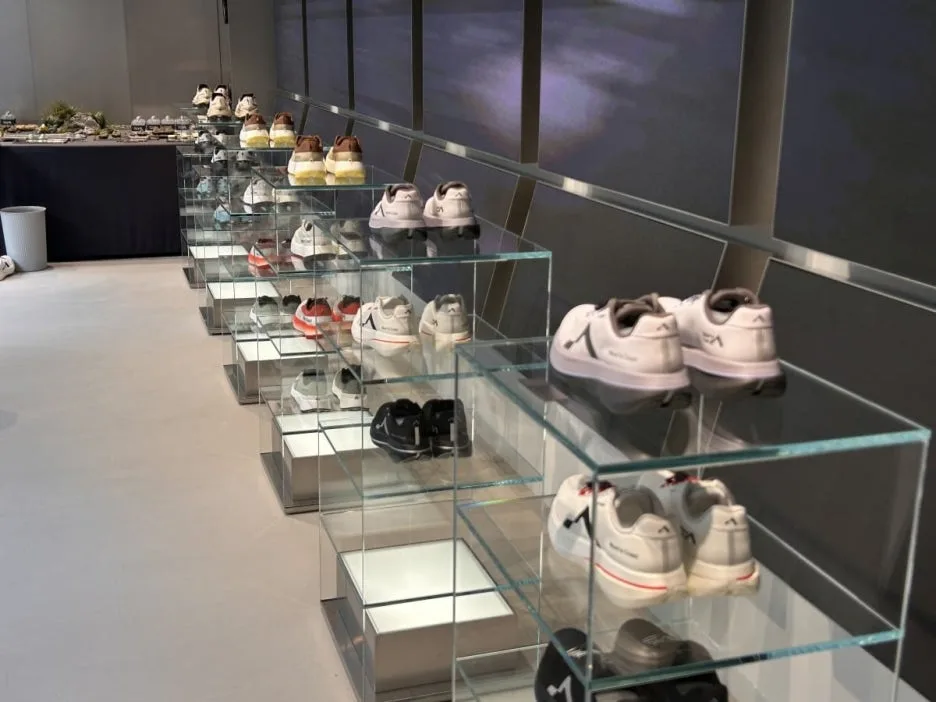
For high arches, choose running shoes like these
On the other hand, high arches (pes cavus), with an unusually high arch, make the foot stiff and less flexible, so landing shock often goes straight to the feet and knees. Body weight tends to shift to the outer edge of the sole, so ankle sprains are also relatively common.
For people with high arches, running shoes with generous cushioning that absorbs as much shock as possible are a good fit. Shoes introduced in stores as maximal cushion or with a thick midsole often fall into this category. Since the foot tends to be stiff, it’s also good to check how flexibly the shoe bends.
If you have high arches and keep wearing hard, thin shoes, pain in the plantar fascia or Achilles tendon can keep coming back. I often hear fellow runners say their knee or sole pain eased after switching to well-cushioned running shoes, which shows just how much the match between arch and shoe matters.
If your knees hurt even with normal arches
Having arches in the normal range doesn’t mean any running shoe will do. Running shoes you’ve worn for a long time may look fine on the outside, but the midsole cushioning may have already collapsed and lost its shock absorption. Shoes are often considered due for replacement after about 300 to 500 kilometers of running.
Forcing your feet into shoes that are too narrow, or wearing shoes that are too loose, can also cause knee pain. Regardless of arch type, if the shoe size and width don’t match, your gait itself subtly shifts. A size that leaves about a thumb’s width of room at the toes is generally known to be a safe choice.
If pain keeps recurring, the cause may not be just the shoes but your running form or a sudden increase in training volume. If pain lasts more than a few days or makes walking difficult, I recommend getting properly checked at a clinic rather than relying on self-diagnosis.
A checklist you shouldn’t miss when choosing running shoes
Once you know your arch type, it’s time to actually choose running shoes at a store. Rather than in the morning, trying them on in the afternoon or evening, when your feet swell slightly, better reflects the state of your feet during a real run. Wearing the socks you usually run in to check the fit also helps.
Check, in order, whether your heel stays stable inside the shoe without lifting, whether the width neither pinches nor leaves too much room, and whether the arch feels comfortably supported when you tighten the laces over the top of your foot. A short walk in the store may not be enough, so if possible, I also recommend a light jog inside the store.
When buying online, searching reviews together with your arch type and foot width can reduce the chance of a bad buy. Even in the same size, the width varies by brand, so if it’s not a brand you usually wear, be sure to look for comments in reviews about whether it runs narrow or wide.
Your foot arch is something you’re born with and can’t change, but simply choosing running shoes that match it can considerably reduce the strain on your knees and ankles. If your current running shoes have felt particularly uncomfortable, I’d recommend looking at your own foot arch again before the brand or design. It may seem like a small difference, but for a runner who covers several kilometers every day, it can make quite a big difference in protecting knee health.
If you’ve ever had knee or ankle pain because of your running shoes, please share your story in the comments.
Was this article helpful?
Your choice is saved only in this browser and is never sent anywhere.