You stopped at last time.
The story in four panels
The more tired you are, the more 15 minutes helps
-
1The problem
A tired person with a lowered head beside an almost empty battery I just want to lie down
After a day on your feet, you end up lying down with your phone on every break.
-
2How it works
A person breathing shallowly at a desk while an alarm bell rings overhead The brain is more tired than the body
That fatigue is neurological fatigue. Stress hormones wear out the hippocampus.
-
3What to do
A person running lightly with motion lines Just 15 minutes outside
Change into comfortable sneakers and try a 15-minute walk or light run.
-
4The change
A brain with an even wave and a slowly beating heart The brain has reset
BDNF, serotonin and dopamine flow, giving you the strength for the rest of the day.
On a day spent standing at work and battling stress, what do you do on your break or after work? Most of us probably flop onto the sofa or a chair and rest. At work, I too used to wait for mealtime and then rush to lie down and nap with the time left after eating. One book changed me, so that after a meal I run, even just 1 km, instead of sleeping.
It’s the brain-science bestseller Spark by Dr. John Ratey of Harvard Medical School.
“The more stressed and tired you are, the more you should walk or run for 15 minutes.”
Resting still doesn’t relieve the brain’s fatigue
We need to understand what the fatigue we feel really is. The stress of standing at work all day isn’t simple muscle fatigue; it’s “neurological fatigue.”
Under work stress, the brain pumps out the stress hormone cortisol.
If you only sit still and rest, this cortisol keeps circulating in the blood, wearing away brain cells (especially in the hippocampus, which handles memory) and causing chronic fatigue.
Three brain-science miracles from a 15-minute run on your break
Dr. Ratey stresses that light aerobic exercise triggers the following biological changes in the brain.
- An immediate drop in the stress hormone (cortisol): light running gets stagnant blood flowing, rapidly lowering cortisol levels in the brain, and increases antioxidant enzymes to protect brain cells.
- Release of BDNF, fertilizer for the brain: when your heart rate rises, brain-derived neurotrophic factor (BDNF) is released. It’s a “miracle protein” that repairs damaged brain cells and recharges the brain’s energy.
- The happiness-hormone switch turns on: fifteen minutes of brisk movement immediately releases serotonin (mood regulation) and dopamine (motivation), switching off the brain’s overload and calming the parasympathetic nervous system.
I’ve found that running even a short 0.5 km or 1.5 km leaves my body feeling refreshed in a way that a quick nap lying down doesn’t. Wondering whether it was just a coincidence, I’ve now been doing short runs for three days, from September 15 to September 17.
 A Runday log posted to my Instagram story after a short run in the time left after lunch at work, instead of lying down
Won’t exercising before work make me more tired? (How to do it right)
To give you the conclusion first: done at the right intensity, exercise actually lowers fatigue and brings the brain’s focus to its peak.
I’m not telling you to do high-intensity intervals until you collapse.
(Recommended intensity: a “light jog (Zone 2 pace)” or “brisk walk” at which you can still talk to the person next to you or breathe through your nose.)
This level of intensity floods the brain with oxygen and nutrients without building up lactate (a fatigue byproduct). It becomes the perfect “brain reset” button for the work ahead.
Don’t slump on your break, looking at your phone because you’re tired. Change into comfortable sneakers right now and walk outside for just 15 minutes. Your brain will feel refreshed first, and it will make the real energy to carry you through the rest of the day.
“Running is a natural vaccine that detoxifies the poison called stress.”
P.S.
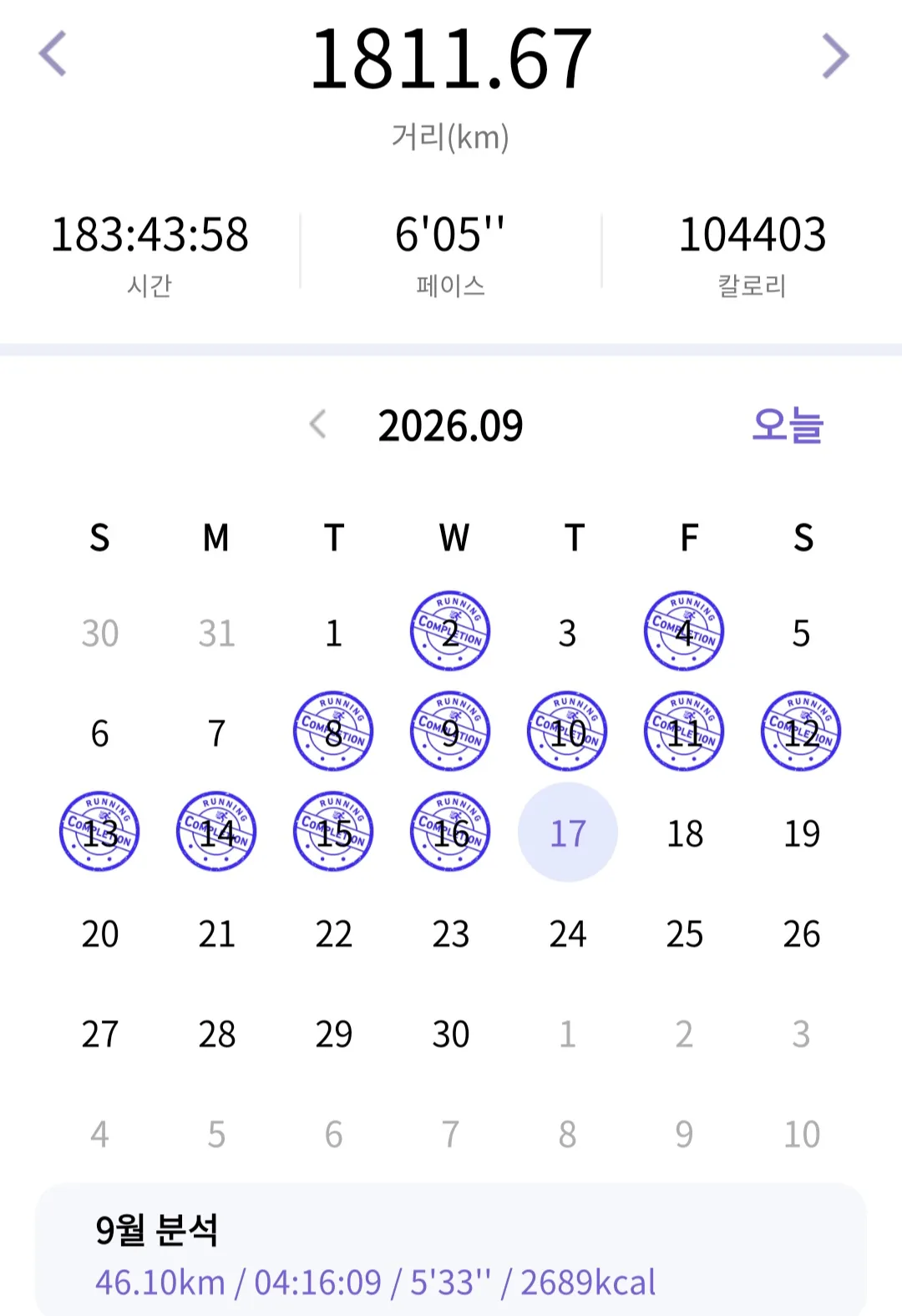 My Runday app: as someone who has run consistently from 2025 to now, I’ve seen running have a huge effect on stress relief, work performance and even learning.
“Exercise: a natural stimulant that plugs focus back into a blurry brain.”
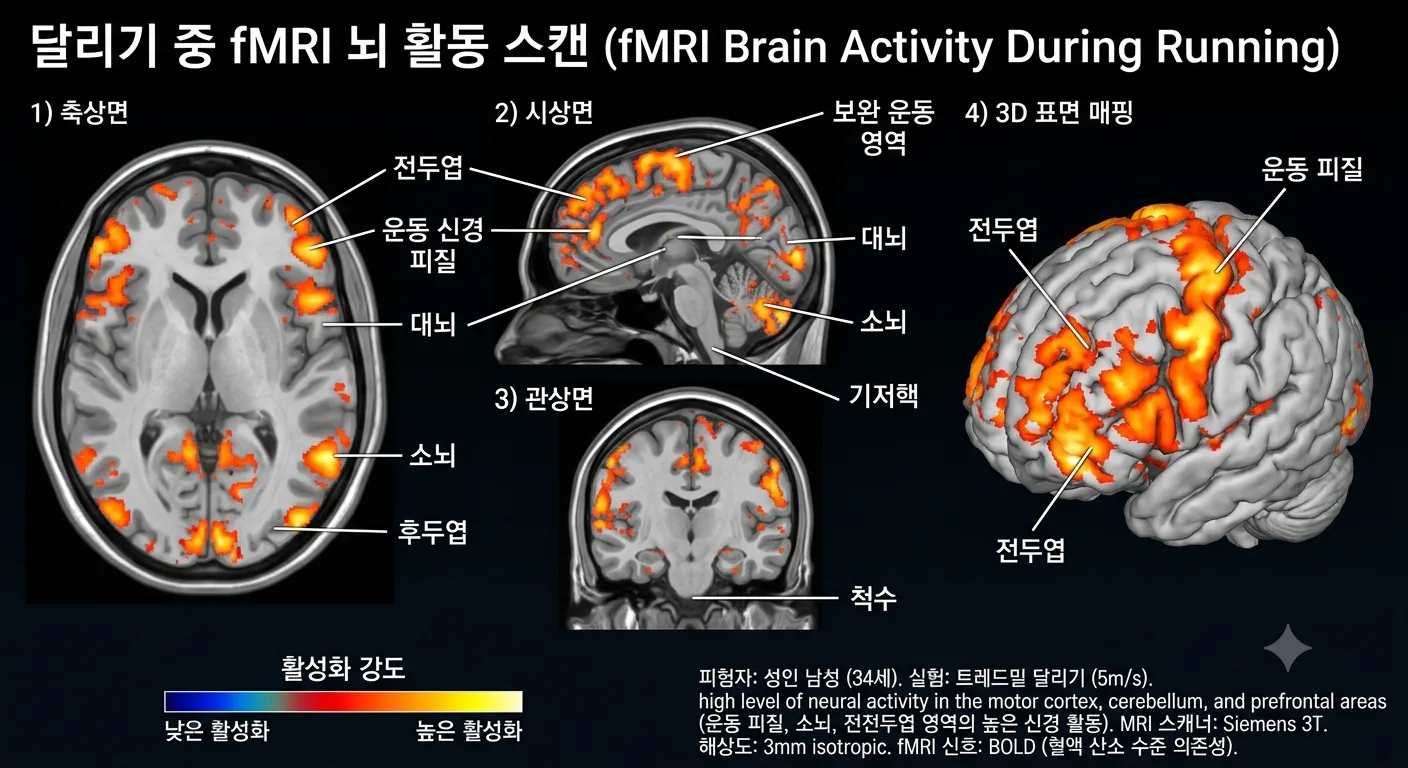 An fMRI scan of brain activity during running
Was this article helpful?
Your choice is saved only in this browser and is never sent anywhere.