Exercise
Walking, running and strength training raise blood flow and growth factors in the brain, laying the ground for it to change.
Neighboring concepts: BDNF · Emotion & stress · Full knowledge map
Posts on this concept 27
-
Are Longer, Unbroken Walks Better? 15-Minute Walkers Had a Third of the Heart Risk
We read two studies side by side: PLA2G2F, a brain enzyme that protects memory even when Alzheimer's pathology is present (Nature Neuroscience, 2026), and an observational study finding that people who took most of their steps in unbroken bouts of 15 minutes or more had a lower risk of death and cardiovascular disease (Annals of Internal Medicine, 2025). We separate what has been shown from what is still unknown, and lay out three evidence-based walking steps.
13 min read Read % read -
What's the Surest Way to Raise BDNF? A Year of Exercise Grew the Hippocampus 2%
Every human activity linked to BDNF, the brain's fertilizer, checked against studies in PNAS, Nature, Cell and eLife: exercise, dance, learning, reading, meditation, sleep, sunlight, food and meal timing. We rate the strength of the evidence, show how long each takes to work, and illustrate how the brain actually changed.
17 min read Read % read -
Can You Build Resilience? A Stressed Brain Recovered a Month Later
Resilience is not a personality you're born with but a strength of mind you can train. Drawing on the key ideas of Professor Kim Joo-hwan's Korean book Resilience and on studies in Nature, Cell, PNAS and Nature Neuroscience, we explain how resilience is built in the brain, how it shapes achievement and learning, and a three-step training plan you can start today.
15 min read Read % read -
A Year of Walking Made the Hippocampus Grow
In a randomized trial of 120 older adults, those who did aerobic walking for a year saw the hippocampus, the brain's memory hub, grow by about 2%. How exercise changes the brain, and how to put it into practice after work.
7 min read Read % read -

Which Hobbies Slow Brain Aging? Piano Helped, but Language Classes Didn't
New, slightly challenging hobbies can improve some cognitive skills even later in life. Older adults who learned piano for six months improved on tests of attention switching and processing speed (Aging & Mental Health, 2007). But older adults who took language classes for 11 weeks showed no change in memory (Psychology and Aging, 2020). For lowering dementia risk, overall lifestyle, including social contact, hearing, and exercise, mattered more than any single hobby (Lancet, 2024).
8 min read Read % read -

Is a Walk in Nature Really Good for Your Brain? Stress Hormones Fell Within 20 Minutes
A walk in nature can genuinely restore attention and mood. When 36 city dwellers spent time in nature over eight weeks, the stress hormone cortisol fell most efficiently when they stayed 20–30 minutes (Frontiers in Psychology, 2019). People who walked in a park for about 50 minutes improved more on an attention test than people who walked downtown (Psychological Science, 2008). But claims like '15 minutes reboots the brain' and 'houseplants purify the air' had weak support, so I've corrected them.
10 min read Read % read -
Is Strength Training Good for the Brain? The Stronger People Got, the More Their Cognitive Scores Rose
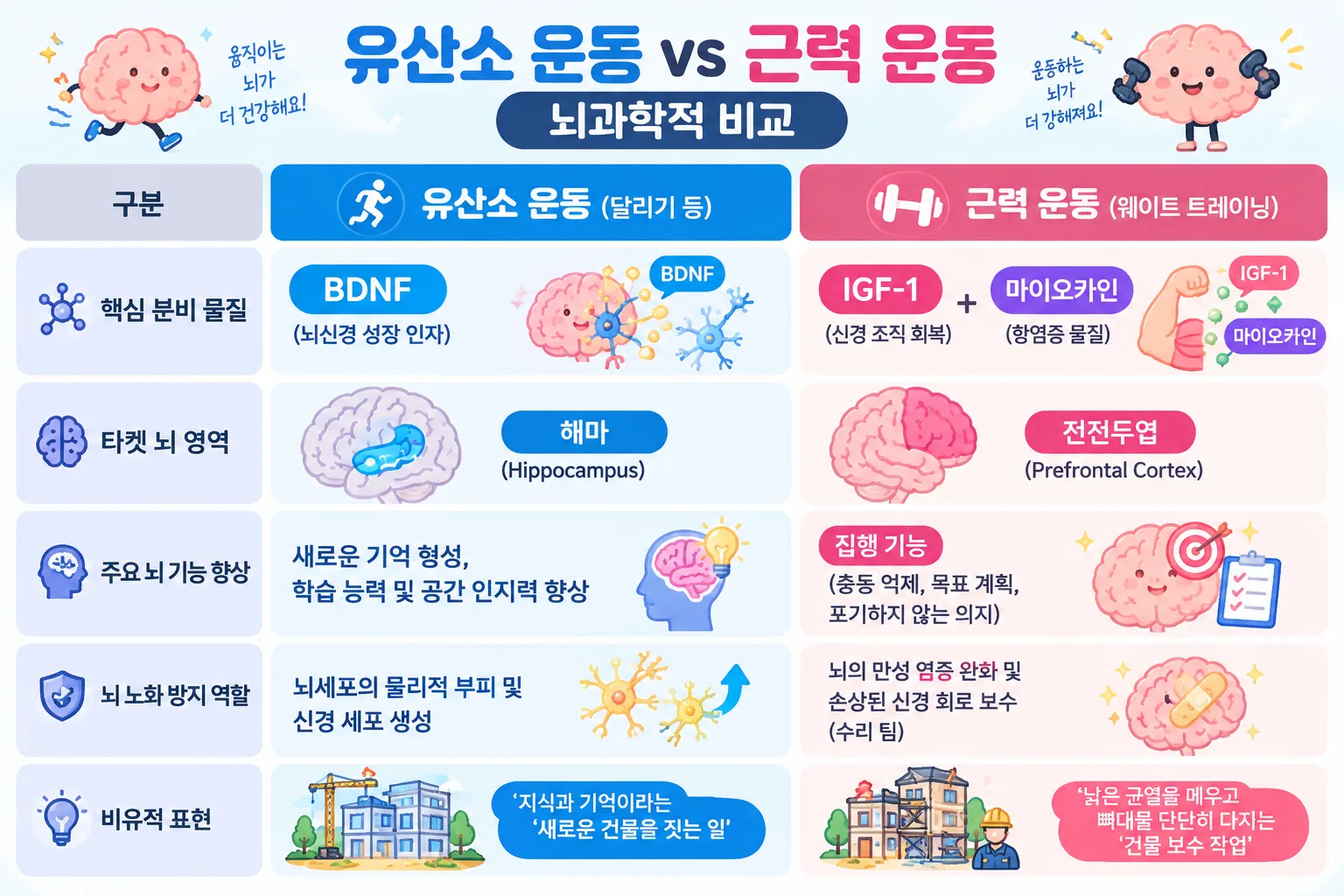
Strength training helped the brain too. When older adults with mild cognitive impairment did strength training for six months, their cognitive scores rose, and those whose strength rose most improved most (Journal of the American Geriatrics Society, 2017). In a meta-analysis of people over 50, both strength and aerobic training improved cognition (British Journal of Sports Medicine, 2018). Summarized with my experience of adding weights to running.
8 min read Read % read -
Does Sunlight Improve Focus? People Who Got More Daylight Were More Alert
People who got more bright light during the day were more alert and responded faster. In a study measuring 58 adults' everyday light exposure for a week, those with bright days and dark nights did better on cognitive tasks (Communications Psychology, 2023). Office workers sitting by windows got far more daylight and slept longer at night (Journal of Clinical Sleep Medicine, 2014). Summarized with my experience of switching to morning runs.
7 min read Read % read -
Hormesis: Can a Poison Be Medicine? In Dementia Mice, a Low-Dose Toxin Helped the Brain Clean Up
Hormesis is when a small amount of stress actually strengthens the body's defenses, and an example came from dementia mouse experiments. KIST researchers announced that quinolinic acid, known as a neurotoxin, boosted the cleanup ability of brain immune cells at low concentrations. But it was a mouse study, and in people there are results showing hormesis is more delicate than expected, like antioxidants blocking the benefits of exercise (PNAS, 2009).
8 min read Read % read -
Can a Late-Start Exercise Habit Change Your Brain? People in Their 60s and 70s Gained Brain Volume in 6 Months
Even a late-start exercise habit changed the brain. When inactive people in their 60s and 70s did aerobic exercise for six months, gray and white matter volume increased (Journal of Gerontology, 2006), and people around 60 gained gray matter after three months of juggling practice (Journal of Neuroscience, 2008). Small brain infarcts without symptoms turned up on MRI in a fair share of older adults. Summarized alongside my experience of running since my 20s.
10 min read Read % read -
Does Tracking Your Time Change Habits? People Used Their Phones Twice as Much as They Thought
Logging your day turns drifting time into numbers, and from there habits became easier to change. People used their phones about 5 hours and 85 times a day but estimated about half that (PLoS ONE, 2015). The more consistently people recorded, the better they reached goals like weight loss. I corrected the comparison in the earlier version of this post to the quantum observer effect, and summarized my experience of changing my days through time tracking alongside the research.
11 min read Read % read -
How Often Should You Do 1-Minute Workouts? Three a Day Meant About 40% Lower Death Risk
Even among people who don't exercise, moving hard enough to get breathless for 1–2 minutes three times a day was linked to about 40% lower risk of death (observational study, Nature Medicine, 2022). People who did 10-minute workouts containing one minute of all-out effort for 12 weeks gained as much fitness as those who exercised for 50 minutes (PLoS ONE, 2016). But the evidence for a growing hippocampus came from a year of walking, not high intensity. Here's my experience of running three times in one day, alongside the research.
9 min read Read % read -
Can Exercise Stop Late-Night Snack Cravings? A 15-Minute Walk Cut Sugar Cravings
When late-night snacks or sweets call, even a 15-minute brisk walk reduced the urge. Overweight people who walked for 15 minutes had fewer sugary snack cravings (PLoS ONE, 2015), and regular chocolate eaters ate about half as much chocolate after a walk (Appetite, 2012). But there was no evidence that short videos or late-night snacks reduce dopamine receptors. Here's my experience of swapping snacks for running, alongside the research.
9 min read Read % read -

Will Exercise Make You More Tired? Light Exercise Cut Fatigue
Light exercise actually reduced fatigue. Six weeks of easy workouts lowered tiredness (2008), and 5-minute walks every hour raised energy all day (2016). Here is why, and a 3-step plan for office workers that starts with a 15-minute break.
10 min read Read % read -
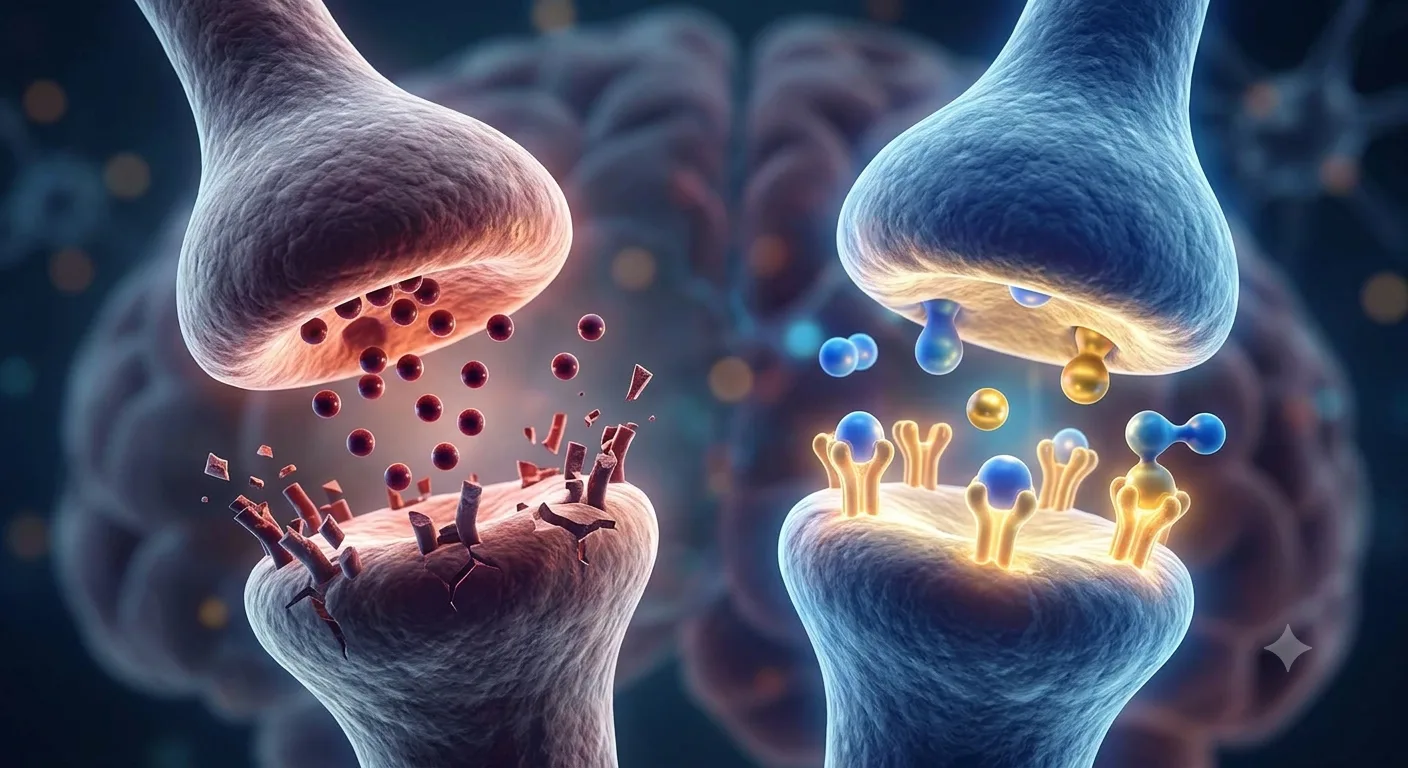
Does Exercise Help Anxiety? Getting Used to Breathlessness Lowered Anxiety
Exercise was effective at reducing anxiety. An analysis pooling over 1,000 trials found that exercise lowered anxiety symptoms by a medium amount (British Journal of Sports Medicine, 2023), and people who ran six 20-minute sessions over two weeks became less afraid of a pounding heart and breathlessness (Depression and Anxiety, 2008). I checked the practices introduced in neuroscientist Jennifer Heisz's book against the original papers and organized exercise by situation.
9 min read Read % read -

Warming Up for a Run: Static Stretching Didn't Prevent Injuries
Before a run, a warm-up that gets you moving beats long static stretches. In a study of 1,538 recruits, pre-exercise static stretching didn't reduce injuries (MSSE, 2000), while a dynamic warm-up program cut injuries by about a third (BMJ, 2008). A cool-down helps prevent dizziness. Here's a summary, with a five-minute routine to follow along.
8 min read Read % read -
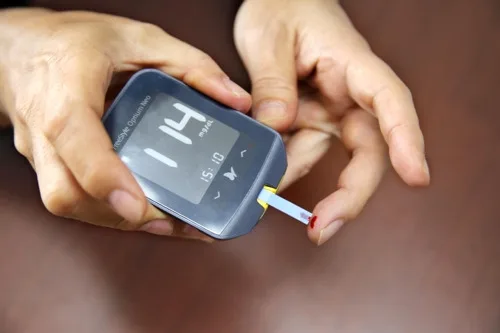
Signs of Insulin Resistance: Can Dementia Risk Rise Even With Normal Blood Sugar?
Even in people without diabetes, higher average blood sugar went with a higher risk of dementia (NEJM, 2013). Insulin resistance is easier to spot by numbers than by symptoms, and a triglyceride/HDL ratio of 3.0 or more and waist size are good clues (Annals of Internal Medicine, 2003). This post covers which checkup numbers to look at and sorts the link between the brain and insulin resistance by strength of evidence.
9 min read Read % read -
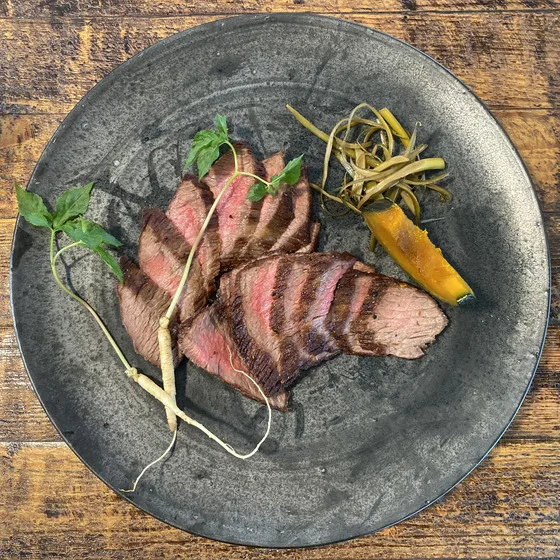
What Is the Carnivore Diet? 2,000 People Were Satisfied, but LDL Rose
The carnivore diet means eating only animal foods such as meat, fish, and eggs. In a survey of 2,029 people, most said their health had improved, but average LDL cholesterol was high at 172 mg/dL (Current Developments in Nutrition, 2021). This post sorts the evidence by strength, including the fact that ketones raising BDNF comes from mouse studies.
8 min read Read % read -

Resolutions and the aMCC: Does Doing Hard Things Grow Your Willpower?
The claim that doing things you don't want to do grows your aMCC hasn't been confirmed in human experiments yet. What has been shown: electrically stimulating the aMCC produced a 'will to persevere' (Neuron, 2013), and, in a small study, 24 people who exercised for two months reported better self-control in other areas too (BJHP, 2006). This post sorts the aMCC and BDNF claims by strength of evidence and helps you build a plan to get past day three.
8 min read Read % read -
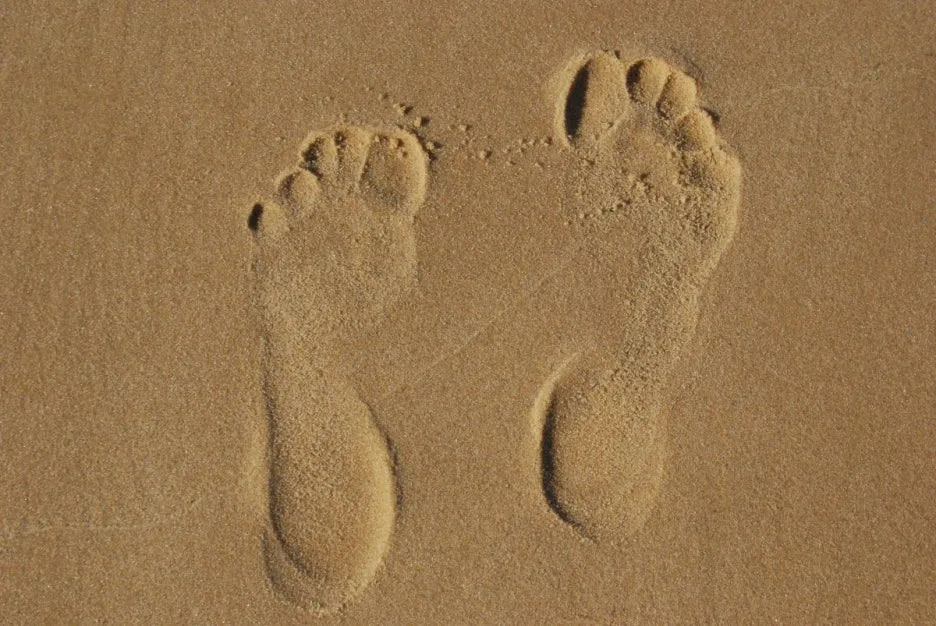
Running Shoes for Flat Feet: Do You Really Need Stability Shoes?
Having flat feet doesn't mean you must wear stability shoes. Flat-footed recruits given motion-control shoes had injury rates similar to those in standard shoes (American Journal of Sports Medicine, 2010), and researchers suggest picking the most comfortable pair out of several (BJSM, 2015). Here's how to check your arch at home and what to look for when trying on shoes for flat feet, high arches, and normal arches.
8 min read Read % read -
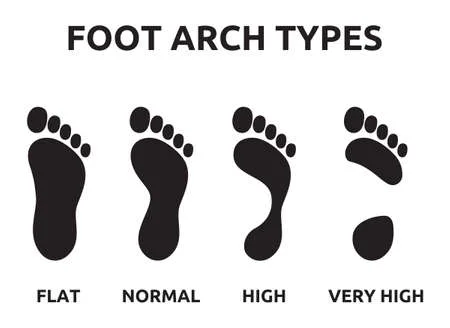
Beginner Runner Knee Pain: Do Arch-Matched Shoes Help?
Choosing running shoes to match your arch type didn't reduce injuries (American Journal of Sports Medicine, 2010). What mattered more for beginner runners' knee pain was increasing distance too fast (JOSPT, 2014), and choosing shoes for comfort is closer to the evidence. This post sorts out the causes with research and offers a self-check for your running habits.
8 min read Read % read -

Is Running Good for Your Brain? Just 10 Minutes Sharpened Focus
Ten minutes of moderate running lifted mood and focus and activated the prefrontal cortex (Scientific Reports, 2021); meta-analyses show exercise raises BDNF, the brain's fertilizer; and a year of aerobic exercise enlarged the hippocampus (PNAS, 2011). Here is why running helps the brain, and three steps for beginners to start without getting hurt.
12 min read Read % read -
What Does Insulin Do? Why Lowering It Didn't Burn More Fat
Insulin is the hormone that moves glucose from the blood into cells to keep blood sugar steady. Yet people who lowered their insulin by cutting carbs lost less body fat than when they cut fat (Cell Metabolism, 2015). This post revisits the idea that insulin makes you fat and lets you see, on a graph, three steps that soften post-meal blood sugar spikes.
10 min read Read % read -

4 Causes of Low BDNF, and Why a Blood Test Can't Tell You
Research points to four causes of low BDNF: chronic stress, lack of exercise, sugary and fatty diets, and aging. But most BDNF in the blood is stored in platelets, so a blood test can't tell you how much BDNF is in your brain. Using studies from Cell, PNAS, and J Neurosci, this post sorts the causes by strength of evidence and offers three steps and a self-check you can use today.
10 min read Read % read -
What Is BDNF? Why "More Is Better" Is Only Half Right
BDNF is a protein that helps nerve cells survive and connect. Here is how it relates to memory, appetite, and exercise, why "more is better" is a myth, per Cell, NEJM, and PNAS studies, and 3 evidence-based steps to raise it.
11 min read Read % read -

How to Achieve Your Goals: Picturing Success Can Push It Further Away
Picturing only a great outcome actually drained energy (JESP, 2011). Drawing on research into mental contrasting with obstacles, if-then implementation intentions (a meta-analysis of 94 studies), progress tracking, and exercise, here are three ways to achieve your goals, plus a tool to build your own plan.
10 min read Read % read -
Can Adult Brains Still Grow? Three Months of Study Enlarged Medical Students' Hippocampi
Yes, the brain changes throughout life. Here is the research: medical students' hippocampi grew while studying for an exam (J Neurosci, 2006), exercise started in one's 60s increased brain volume, and therapy that changes thinking changed brain circuits, plus the open debate over new neurons in adult brains.
10 min read Read % read
No posts here yet.