Habits & willpower
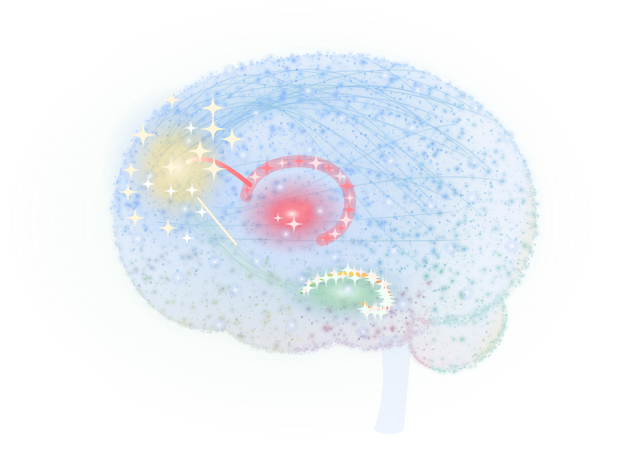
A new behavior is held in place by the prefrontal cortex at first; with repetition the basal ganglia take over and it runs on its own.
Neighboring concepts: Emotion & stress · Neurotransmitters · Synapses & plasticity · Full knowledge map
Posts on this concept 21
-
Does It Really Take 21 Days to Build a New Habit?
Where did the "21-day rule" come from, and what does the research actually show? The time it took for a habit to become automatic ranged from 18 to 254 days. Here is what matters more than the number.
8 min read Read % read -
Can Breathing Ease Anxiety? Five Minutes of Sighing a Day Lifted Mood More Than Meditation
Breathing is one of the few handles we have on the brain's state of arousal. Drawing on studies in Science, Nature, the Journal of Neuroscience and Cell Reports Medicine, this essay explains how breath shapes anxiety and focus, and offers a three-step breathing habit you can start today.
11 min read Read % read -
Can You Beat Burnout with Willpower? Changing the Environment Worked Better Than Resolve
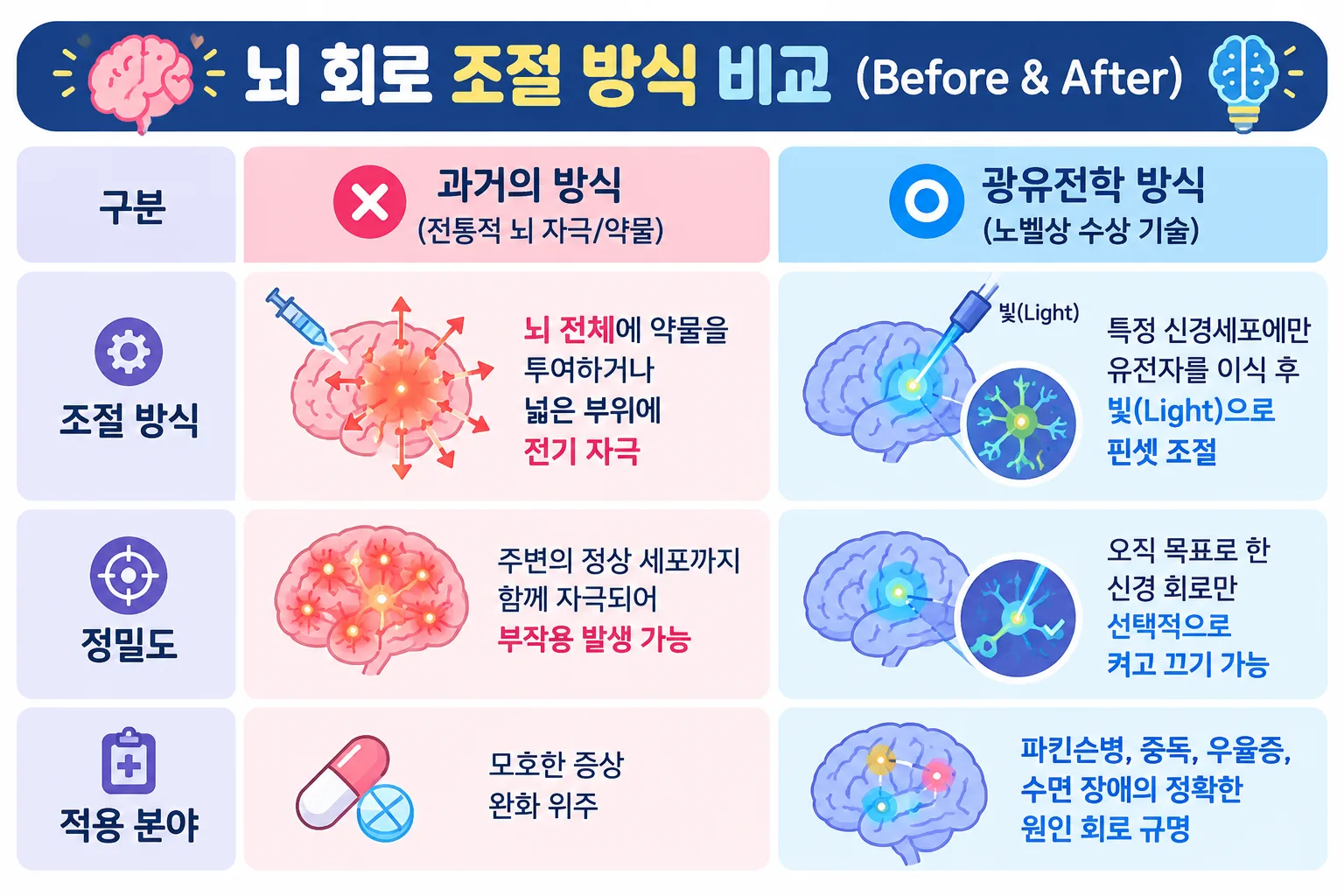
Burnout is hard to beat with willpower alone. In an analysis of studies involving 1,550 physicians, changing work schedules and structures reduced burnout more than twice as much as approaches aimed at the individual (JAMA Internal Medicine, 2017). Alongside the 'circuit switch' story of optogenetics, which won the 2026 Nobel Prize, here is how I got out of burnout by changing conditions instead of making resolutions.
11 min read Read % read -
Does Self-Talk Change If You Use Your Own Name? Emotional Reactions Dropped Within a Second
Using your own name instead of 'I' in self-talk made people less swept up in emotion. When people talked to themselves by name while viewing unpleasant images, the brain's emotional response dropped within a second, and the frontal areas used for effortful control didn't work harder (Scientific Reports, 2017). Words read aloud were remembered better than words read silently (JEP: Learning, Memory, and Cognition, 2010). I corrected the wrong citations and exaggerated explanations in the earlier version of this post.
8 min read Read % read -
Can a Late-Start Exercise Habit Change Your Brain? People in Their 60s and 70s Gained Brain Volume in 6 Months
Even a late-start exercise habit changed the brain. When inactive people in their 60s and 70s did aerobic exercise for six months, gray and white matter volume increased (Journal of Gerontology, 2006), and people around 60 gained gray matter after three months of juggling practice (Journal of Neuroscience, 2008). Small brain infarcts without symptoms turned up on MRI in a fair share of older adults. Summarized alongside my experience of running since my 20s.
10 min read Read % read -
Can Lymphatic Massage Clear Brain Waste? Stroking Mice's Necks Increased Drainage
The finding that gently stroking the face and neck increased cerebrospinal fluid drainage still comes from mouse experiments (Nature, 2025). Cerebrospinal fluid drains through lymphatic vessels behind the nose and in the neck (Nature, 2024), and this route weakened with age. Whether it works in people hasn't been tested yet, but sleep was closely tied to cerebrospinal fluid flow in both people and animals. Here's my daily lymphatic massage experience alongside the research.
9 min read Read % read -
Does Tracking Your Time Change Habits? People Used Their Phones Twice as Much as They Thought
Logging your day turns drifting time into numbers, and from there habits became easier to change. People used their phones about 5 hours and 85 times a day but estimated about half that (PLoS ONE, 2015). The more consistently people recorded, the better they reached goals like weight loss. I corrected the comparison in the earlier version of this post to the quantum observer effect, and summarized my experience of changing my days through time tracking alongside the research.
11 min read Read % read -
How Often Should You Do 1-Minute Workouts? Three a Day Meant About 40% Lower Death Risk
Even among people who don't exercise, moving hard enough to get breathless for 1–2 minutes three times a day was linked to about 40% lower risk of death (observational study, Nature Medicine, 2022). People who did 10-minute workouts containing one minute of all-out effort for 12 weeks gained as much fitness as those who exercised for 50 minutes (PLoS ONE, 2016). But the evidence for a growing hippocampus came from a year of walking, not high intensity. Here's my experience of running three times in one day, alongside the research.
9 min read Read % read -
Can Exercise Stop Late-Night Snack Cravings? A 15-Minute Walk Cut Sugar Cravings
When late-night snacks or sweets call, even a 15-minute brisk walk reduced the urge. Overweight people who walked for 15 minutes had fewer sugary snack cravings (PLoS ONE, 2015), and regular chocolate eaters ate about half as much chocolate after a walk (Appetite, 2012). But there was no evidence that short videos or late-night snacks reduce dopamine receptors. Here's my experience of swapping snacks for running, alongside the research.
9 min read Read % read -
Does a Tidy Room Help You Focus? A Messy One Produced More Original Ideas
A tidy space helped focus, while a slightly messy one helped new ideas. People in a tidy room chose apples and donated more; people in a messy room came up with more original ideas (Psychological Science, 2013). A smartphone on the desk reduced working memory just by being there. Prompted by Raemian Gallery's 'A Part of Home' exhibition and talks, here is what research says about how space shapes the brain's focus.
9 min read Read % read -
How to Get Into Deep Focus? Answers Came After Resting and Sleeping on the Problem
Deep focus worked best when holding on to one problem for a long time was paired with resting and sleeping while carrying it. In a meta-analysis of 117 studies, an 'incubation' period away from the problem helped solve it (Psychological Bulletin, 2009), and after a night's sleep, more than twice as many people discovered a hidden rule (Nature, 2004). This post looks at the deep-focus experience described by Professor Hwang Nong-moon through research and offers a daily routine to follow.
8 min read Read % read -
Why Do Resolutions Fail? Does '7,300 Days' Beat '20 Years'?
When diets and savings plans fizzle out in days, what matters more than willpower is how close your future self feels to your present self and how you read the hard moments. People who heard the same future described as '7,300 days' instead of '20 years' wanted to start saving sooner (Psychological Science, 2015). This post checks Oyserman's identity-based motivation theory against the original studies and offers a tool for counting the days to your goal.
8 min read Read % read -

Does Studying Five Minutes a Day Work? It Feels Like Less, but More of It Sticks
Spending the same time studying, you remember longer if you spread it over several days instead of cramming (a meta-analysis of 317 experiments, 2006). Yet people felt they learned more by cramming (Psychological Science, 2008). Along with a study in which three months of juggling increased gray matter that shrank again after stopping (Nature, 2004), this post explains why a five-minute daily habit works and offers a tool to plan your review dates.
8 min read Read % read -
How to Break a Speech Habit? The Trigger Was the Situation
Speech habits and habitual emotional reactions harden through repetition in the same situations, and those situations become the trigger. People who habitually ate popcorn at the movies ate stale popcorn as much as fresh there, but not in a meeting room (PSPB, 2011). Since habits are covered over by new responses rather than erased, habit reversal training, which means noticing the situation and swapping in an action you can't do at the same time, was effective.
9 min read Read % read -

Do Affirmations Work? With Low Self-Esteem, They Made People Feel Worse
When people with low self-esteem repeated 'I'm a lovable person,' they actually felt worse (Psychological Science, 2009). Hard-to-believe affirmations can provoke pushback, while self-talk that uses your own name, writing about your values, and pairing words with small actions were supported by research. This post also corrects the reticular activating system story and offers a tool to rework your own affirmation.
9 min read Read % read -

How to Focus While Reading: Is Returning From Mind-Wandering the Training?
Reading focus grows less from never letting your mind wander and more from practicing noticing it and coming back. At that moment, attention-related brain networks became active (NeuroImage, 2012); merely receiving a notification broke concentration (JEP: HPP, 2015); and informational texts were understood better on paper (a meta-analysis of 54 studies, 2018). Here's a summary, with a 10-minute reading timer you can try.
8 min read Read % read -

Resolutions and the aMCC: Does Doing Hard Things Grow Your Willpower?
The claim that doing things you don't want to do grows your aMCC hasn't been confirmed in human experiments yet. What has been shown: electrically stimulating the aMCC produced a 'will to persevere' (Neuron, 2013), and, in a small study, 24 people who exercised for two months reported better self-control in other areas too (BJHP, 2006). This post sorts the aMCC and BDNF claims by strength of evidence and helps you build a plan to get past day three.
8 min read Read % read -
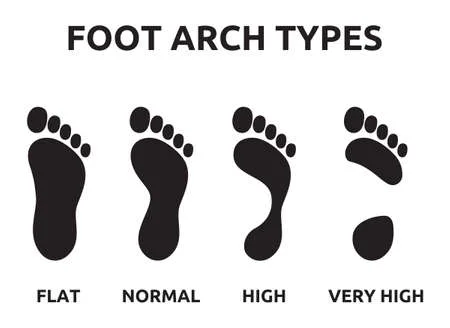
Beginner Runner Knee Pain: Do Arch-Matched Shoes Help?
Choosing running shoes to match your arch type didn't reduce injuries (American Journal of Sports Medicine, 2010). What mattered more for beginner runners' knee pain was increasing distance too fast (JOSPT, 2014), and choosing shoes for comfort is closer to the evidence. This post sorts out the causes with research and offers a self-check for your running habits.
8 min read Read % read -

How to Achieve Your Goals: Picturing Success Can Push It Further Away
Picturing only a great outcome actually drained energy (JESP, 2011). Drawing on research into mental contrasting with obstacles, if-then implementation intentions (a meta-analysis of 94 studies), progress tracking, and exercise, here are three ways to achieve your goals, plus a tool to build your own plan.
10 min read Read % read -
What Is Neuroplasticity? Three Months of Juggling Changed Adult Brains
Adult brains do change. Three months of juggling grew gray matter (Nature, 2004), and older adults who learned new skills improved their memory. Here is what neuroplasticity research shows, and 3 steps to change your brain with new habits.
8 min read Read % read -
Why Do New Things Make You Sleepy? It Isn't Laziness
It's not weak willpower. The brain is 2% of body weight but uses about 20% of its energy (PNAS, 2002), so it avoids mentally demanding work. Here is why new things feel tiresome and sleepy, and 3 steps to let a new habit settle in.
8 min read Read % read
No posts here yet.