Diet & metabolism
What and when we eat shapes the brain’s fuel, through blood sugar, insulin and ketones, and with it energy and focus.
Neighboring concepts: BDNF · Brain immunity & gut · Full knowledge map
Posts on this concept 14
-
How Do Magnesium Types Differ? Magnesium Oxide Absorbed Only 4%
How well magnesium is absorbed, and what it is good for, depends on the molecule it is paired with. In one study only about 4% of magnesium oxide was absorbed, while magnesium citrate was absorbed best of the forms compared (Magnesium Research, 2001 and 2003). Here is the path each form takes in the body, and what the upper limit set by the US National Institutes of Health (350 mg a day from supplements) means.
18 min read Read % read -
Can Brain Inflammation Cause Fatigue? Inflammation Alone Lowered Motivation
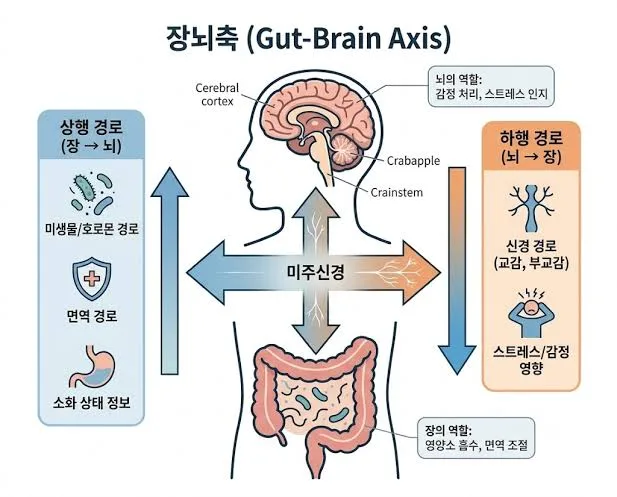
Inflammation in the body can genuinely lower mood and motivation. When healthy people received a tiny dose of a substance that triggers an inflammatory response, they felt more depressed and their brains responded less when anticipating a reward (Biological Psychiatry, 2010). People who ate more fermented foods for 10 weeks saw 19 inflammatory markers fall (Cell, 2021). But claims such as '90% of brain cells are glia' and 'leaky gut is the root cause of brain inflammation' were overstated, so I've corrected them.
10 min read Read % read -
Can Gut Health Protect the Brain? Gut-Trained IgA Cells Were Guarding the Brain's Membranes
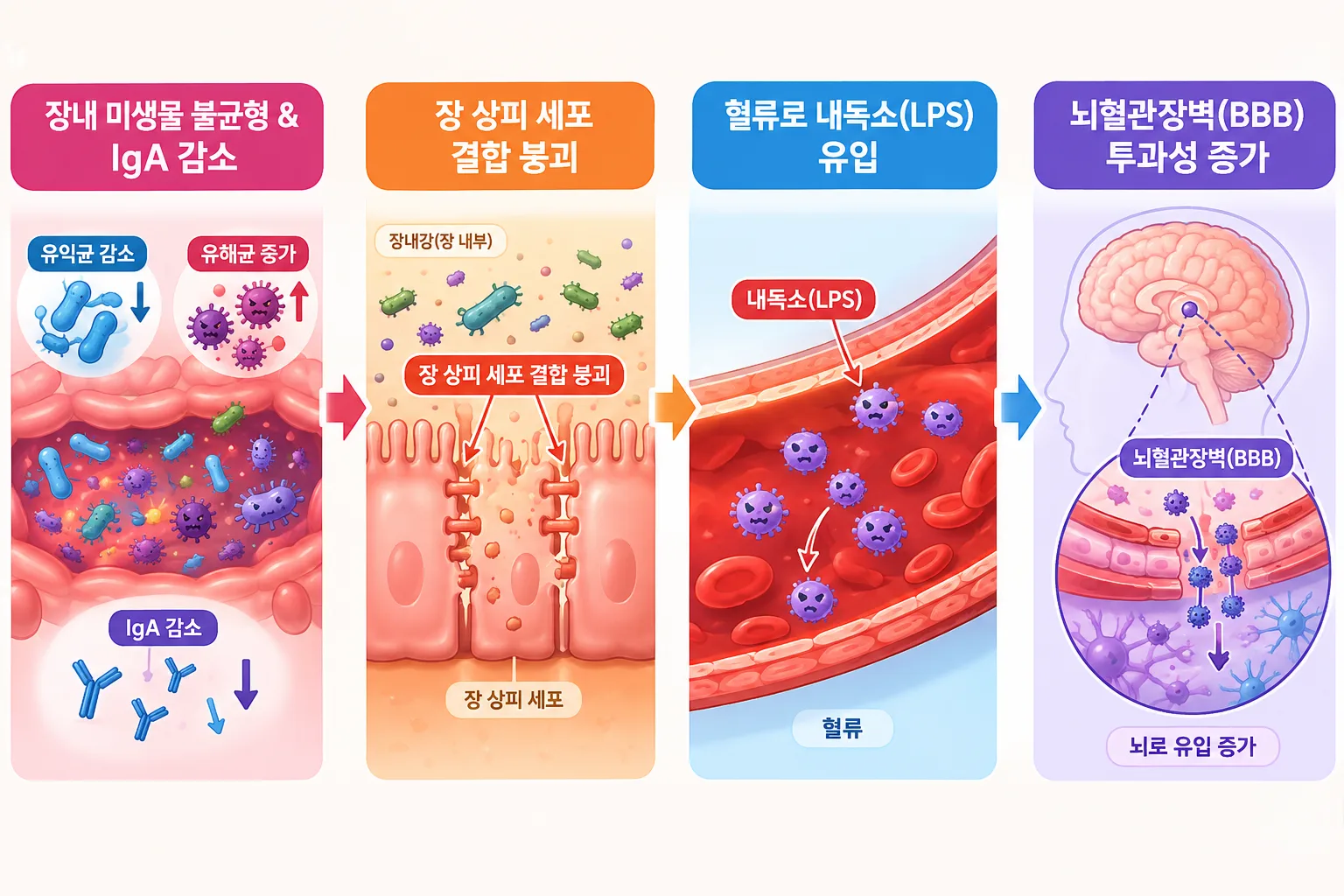
The gut and the brain were linked through immunity too. IgA antibody cells trained by meeting gut bacteria settled beside the large veins in the membranes around the brain and blocked microbial invasion (Nature, 2020). In people, eating more fermented foods for 10 weeks increased gut microbial diversity and lowered inflammatory markers (Cell, 2021). But claims not confirmed in people, like 'leaky gut causes brain fog,' were corrected.
9 min read Read % read -
Why Do You Get Sleepy After Lunch? Even Without Lunch, Afternoons Brought Drowsiness
Post-lunch sleepiness involved the body's daily rhythm, not just food. Even without lunch, drowsiness and lower focus appeared around 2–4 p.m. (Clinics in Sports Medicine, 2005). Sugary food actually increased fatigue within an hour, and a 10-minute nap cut afternoon sleepiness right away (Sleep, 2006). I kept my experience of clearer afternoons on a carnivore diet, but corrected exaggerated claims and celebrity examples.
8 min read Read % read -
Does Holiday Weight Really Come Off? Half of It Was Still There Five Months Later
Holiday weight didn't all come off on its own. Weight records from people in three countries showed that about half the weight gained over the holidays was still there five months later (NEJM, 2016). Much of the weight lost in the first few days after a holiday is water stored with glycogen. I kept my experience of using a carnivore diet after the Chuseok holiday, but corrected risky parts, like taking magnesium until you get diarrhea.
10 min read Read % read -
Does Mental Fatigue Make You Give Up? After 6 Hours of Focus, People Chose Instant Rewards
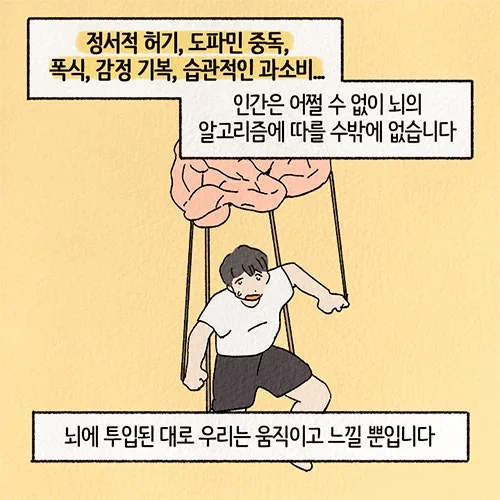
People who did hard mental work for over six hours built up glutamate in the front of the brain and chose immediate rewards over larger ones that required waiting (Current Biology, 2022). Mental fatigue like this may also play a part in giving up on diets and put-off tasks in the evening. Yet the brain's energy use barely rises with focus, so 'running out of fuel' doesn't explain it. Here's how to move hard decisions to the morning and set evening choices in advance.
9 min read Read % read -
Why Do Resolutions Fail? Does '7,300 Days' Beat '20 Years'?
When diets and savings plans fizzle out in days, what matters more than willpower is how close your future self feels to your present self and how you read the hard moments. People who heard the same future described as '7,300 days' instead of '20 years' wanted to start saving sooner (Psychological Science, 2015). This post checks Oyserman's identity-based motivation theory against the original studies and offers a tool for counting the days to your goal.
8 min read Read % read -
How to Use a Glucose Meter: The Same Food Raised Blood Sugar Differently in Each Person
To use a glucose meter, wash and dry your hands, then test a drop from the side of a fingertip. Because blood sugar responses to the same food varied widely between people (Cell, 2015), it's worth measuring your own. Unwashed hands can give falsely high readings from fruit sugar (Diabetes Care, 2011), and home readings aren't used for diagnosis. This post covers both.
8 min read Read % read -
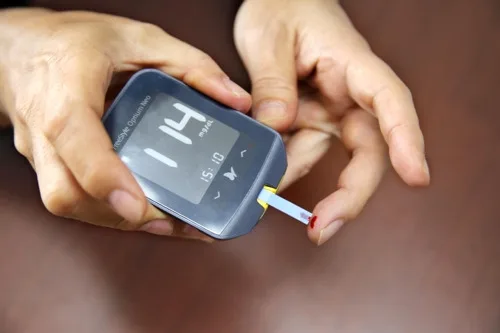
Signs of Insulin Resistance: Can Dementia Risk Rise Even With Normal Blood Sugar?
Even in people without diabetes, higher average blood sugar went with a higher risk of dementia (NEJM, 2013). Insulin resistance is easier to spot by numbers than by symptoms, and a triglyceride/HDL ratio of 3.0 or more and waist size are good clues (Annals of Internal Medicine, 2003). This post covers which checkup numbers to look at and sorts the link between the brain and insulin resistance by strength of evidence.
9 min read Read % read -
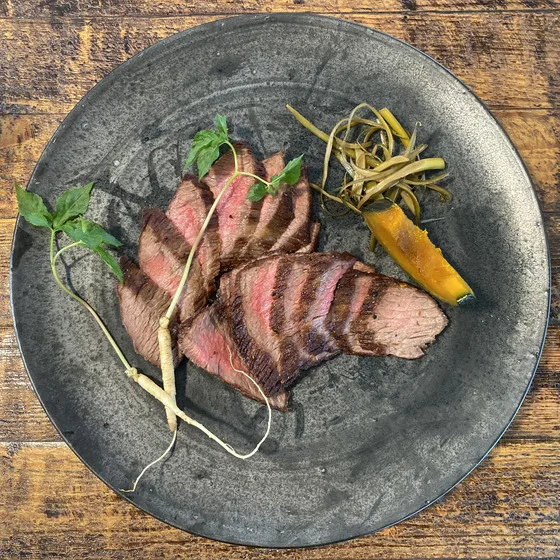
What Is the Carnivore Diet? 2,000 People Were Satisfied, but LDL Rose
The carnivore diet means eating only animal foods such as meat, fish, and eggs. In a survey of 2,029 people, most said their health had improved, but average LDL cholesterol was high at 172 mg/dL (Current Developments in Nutrition, 2021). This post sorts the evidence by strength, including the fact that ketones raising BDNF comes from mouse studies.
8 min read Read % read -
What Does Insulin Do? Why Lowering It Didn't Burn More Fat
Insulin is the hormone that moves glucose from the blood into cells to keep blood sugar steady. Yet people who lowered their insulin by cutting carbs lost less body fat than when they cut fat (Cell Metabolism, 2015). This post revisits the idea that insulin makes you fat and lets you see, on a graph, three steps that soften post-meal blood sugar spikes.
10 min read Read % read -
Does Dark Chocolate Help Right Before an Exam? Store-Bought Is Different
After a high-flavanol cocoa drink, people did better on math tasks and felt less mentally tired (2010), but store-bought chocolate is different. Here is what to eat and what to skip right before an exam or interview, in 3 research-based steps.
8 min read Read % read -
Which Foods Are Rich in BDNF? It Turns Out Food Contains No BDNF
Food doesn't actually contain BDNF. But some foods and eating patterns help your body make it. From sulforaphane in broccoli and flavonoids in cocoa and berries to omega-3, the Mediterranean diet, eating less and intermittent fasting, we sort the evidence into human and animal studies and suggest a three-step diet you can start today.
11 min read Read % read -
Intermittent Fasting Results: Was It the Clock or the Calories?
The weight loss from intermittent fasting came mostly from eating less. With the same calories, eating within 8 hours made no meaningful difference after a year (NEJM, 2022), and restricting time alone cost muscle (JAMA Internal Medicine, 2020). Here is how to start 16:8 fasting properly after the holidays, based on research, with a tool to set your own eating window.
11 min read Read % read
No posts here yet.