BDNF
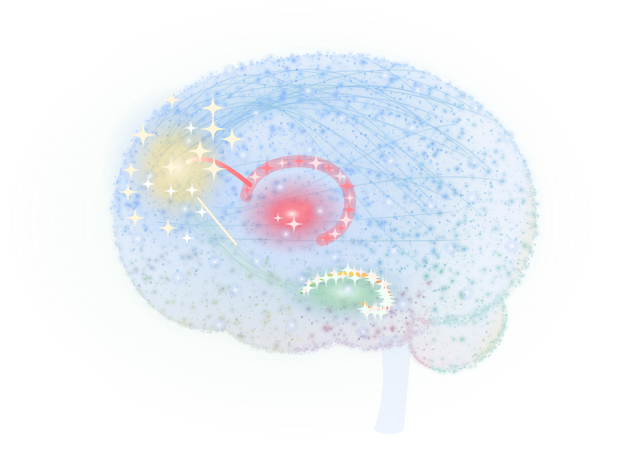
Brain-derived neurotrophic factor (BDNF) is the brain’s fertilizer, helping neurons grow and connect, and it responds to exercise, food and sleep.
Neighboring concepts: Exercise · Diet & metabolism · Synapses & plasticity · Full knowledge map
Posts on this concept 10
-
What's the Surest Way to Raise BDNF? A Year of Exercise Grew the Hippocampus 2%
Every human activity linked to BDNF, the brain's fertilizer, checked against studies in PNAS, Nature, Cell and eLife: exercise, dance, learning, reading, meditation, sleep, sunlight, food and meal timing. We rate the strength of the evidence, show how long each takes to work, and illustrate how the brain actually changed.
17 min read Read % read -
Can You Build Resilience? A Stressed Brain Recovered a Month Later
Resilience is not a personality you're born with but a strength of mind you can train. Drawing on the key ideas of Professor Kim Joo-hwan's Korean book Resilience and on studies in Nature, Cell, PNAS and Nature Neuroscience, we explain how resilience is built in the brain, how it shapes achievement and learning, and a three-step training plan you can start today.
15 min read Read % read -

Will Exercise Make You More Tired? Light Exercise Cut Fatigue
Light exercise actually reduced fatigue. Six weeks of easy workouts lowered tiredness (2008), and 5-minute walks every hour raised energy all day (2016). Here is why, and a 3-step plan for office workers that starts with a 15-minute break.
10 min read Read % read -
Does Exercise Help Anxiety? Getting Used to Breathlessness Lowered Anxiety
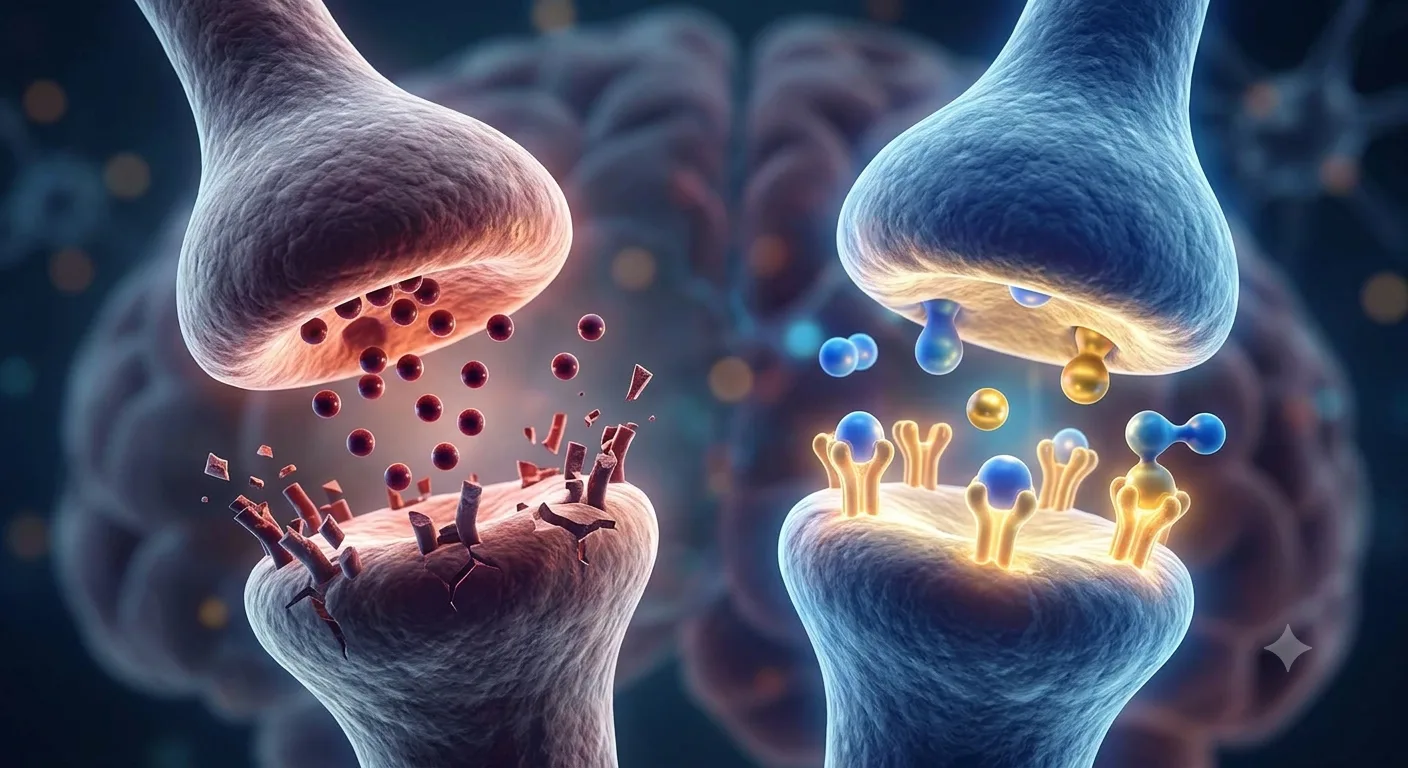
Exercise was effective at reducing anxiety. An analysis pooling over 1,000 trials found that exercise lowered anxiety symptoms by a medium amount (British Journal of Sports Medicine, 2023), and people who ran six 20-minute sessions over two weeks became less afraid of a pounding heart and breathlessness (Depression and Anxiety, 2008). I checked the practices introduced in neuroscientist Jennifer Heisz's book against the original papers and organized exercise by situation.
9 min read Read % read -

What Is the Carnivore Diet? 2,000 People Were Satisfied, but LDL Rose
The carnivore diet means eating only animal foods such as meat, fish, and eggs. In a survey of 2,029 people, most said their health had improved, but average LDL cholesterol was high at 172 mg/dL (Current Developments in Nutrition, 2021). This post sorts the evidence by strength, including the fact that ketones raising BDNF comes from mouse studies.
8 min read Read % read -

Resolutions and the aMCC: Does Doing Hard Things Grow Your Willpower?
The claim that doing things you don't want to do grows your aMCC hasn't been confirmed in human experiments yet. What has been shown: electrically stimulating the aMCC produced a 'will to persevere' (Neuron, 2013), and, in a small study, 24 people who exercised for two months reported better self-control in other areas too (BJHP, 2006). This post sorts the aMCC and BDNF claims by strength of evidence and helps you build a plan to get past day three.
8 min read Read % read -

Is Running Good for Your Brain? Just 10 Minutes Sharpened Focus
Ten minutes of moderate running lifted mood and focus and activated the prefrontal cortex (Scientific Reports, 2021); meta-analyses show exercise raises BDNF, the brain's fertilizer; and a year of aerobic exercise enlarged the hippocampus (PNAS, 2011). Here is why running helps the brain, and three steps for beginners to start without getting hurt.
12 min read Read % read -
Which Foods Are Rich in BDNF? It Turns Out Food Contains No BDNF
Food doesn't actually contain BDNF. But some foods and eating patterns help your body make it. From sulforaphane in broccoli and flavonoids in cocoa and berries to omega-3, the Mediterranean diet, eating less and intermittent fasting, we sort the evidence into human and animal studies and suggest a three-step diet you can start today.
11 min read Read % read -

4 Causes of Low BDNF, and Why a Blood Test Can't Tell You
Research points to four causes of low BDNF: chronic stress, lack of exercise, sugary and fatty diets, and aging. But most BDNF in the blood is stored in platelets, so a blood test can't tell you how much BDNF is in your brain. Using studies from Cell, PNAS, and J Neurosci, this post sorts the causes by strength of evidence and offers three steps and a self-check you can use today.
10 min read Read % read -
What Is BDNF? Why "More Is Better" Is Only Half Right
BDNF is a protein that helps nerve cells survive and connect. Here is how it relates to memory, appetite, and exercise, why "more is better" is a myth, per Cell, NEJM, and PNAS studies, and 3 evidence-based steps to raise it.
11 min read Read % read
No posts here yet.