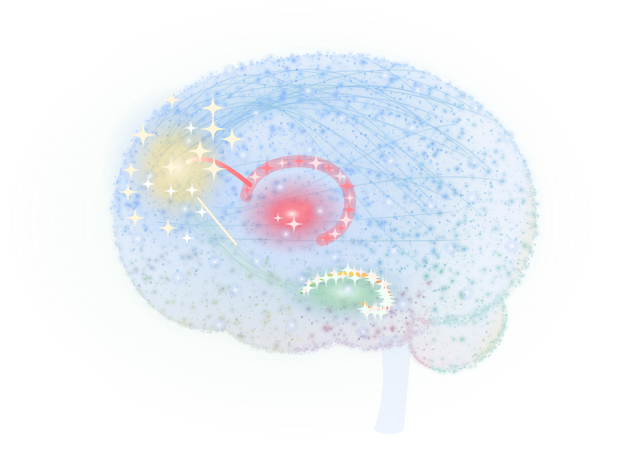
Sleep & rhythm
A body clock set by morning light and deep sleep at night sort out what we learned and prepare tomorrow’s focus.
Neighboring concepts: Memory & hippocampus · Synapses & plasticity · Full knowledge map
Posts on this concept 12
-
Using Your Brain Hour by Hour: A Guide to a Better Day Than Yesterday
Your brain isn't in the same state all day. Right after waking, cortisol rises to get the body going; focus is best a few hours later as body temperature rises; performance dips after lunch and in the late afternoon; and bright light at night delays the sleep signal. Based on eight studies in journals such as PNAS, Psychological Science, and Sleep, here is how to use your brain at each time of day, from morning until bedtime.
10 min read Read % read -
How Do Magnesium Types Differ? Magnesium Oxide Absorbed Only 4%
How well magnesium is absorbed, and what it is good for, depends on the molecule it is paired with. In one study only about 4% of magnesium oxide was absorbed, while magnesium citrate was absorbed best of the forms compared (Magnesium Research, 2001 and 2003). Here is the path each form takes in the body, and what the upper limit set by the US National Institutes of Health (350 mg a day from supplements) means.
18 min read Read % read -
Why 10 Minutes of Morning Sunlight Changes Your Sleep at Night
Morning light entering your eyes resets the reference point of the brain's body clock. Here is how the suprachiasmatic nucleus keeps time, and a light routine you can try tomorrow morning.
7 min read Read % read -
While You Sleep, Your Brain Sorts the Day's Memories
During deep sleep, the hippocampus and the cerebral cortex replay what you learned during the day and move it into long-term memory. Why you shouldn't cut sleep on days you study or learn something new.
9 min read Read % read -
Can You Beat Burnout with Willpower? Changing the Environment Worked Better Than Resolve
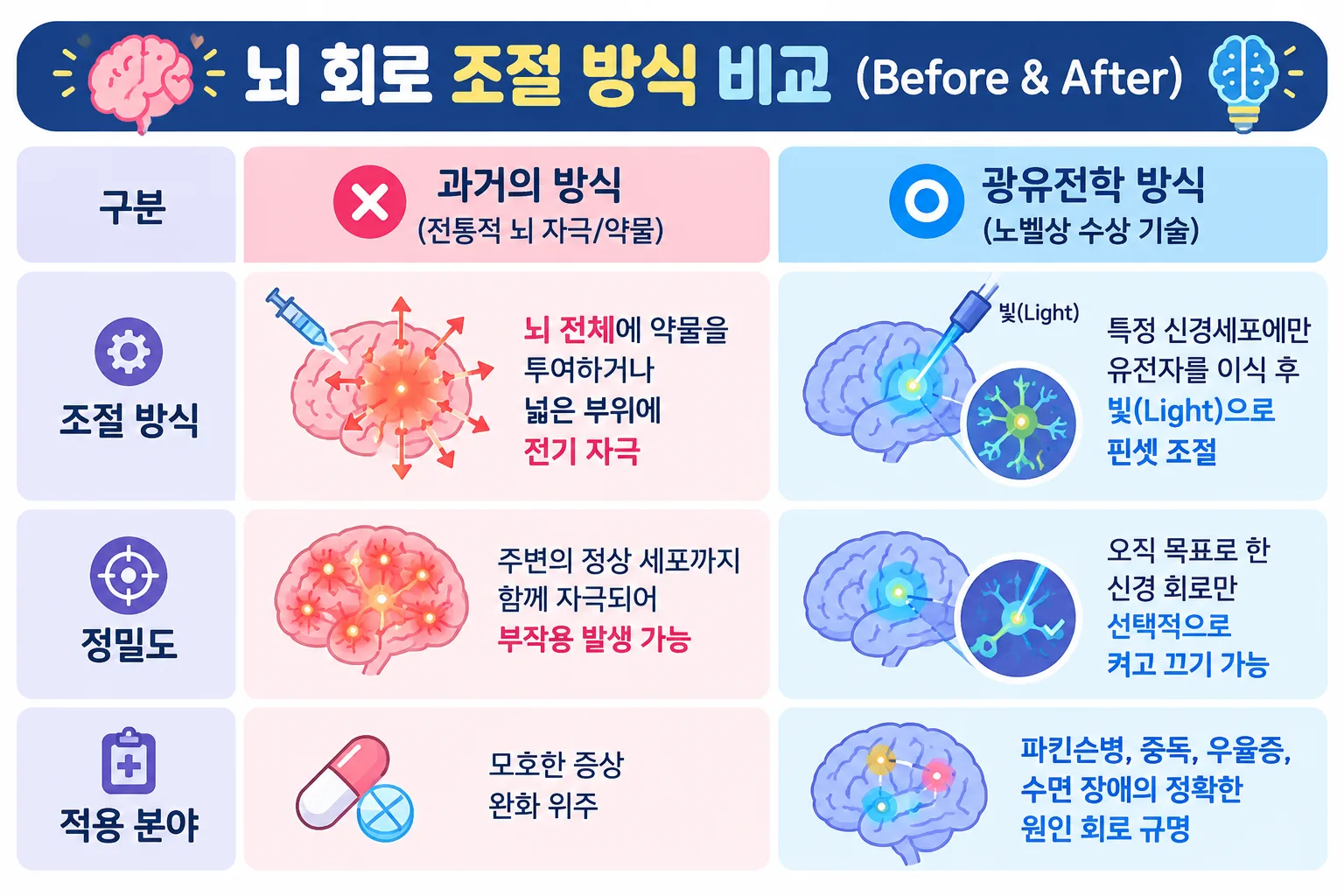
Burnout is hard to beat with willpower alone. In an analysis of studies involving 1,550 physicians, changing work schedules and structures reduced burnout more than twice as much as approaches aimed at the individual (JAMA Internal Medicine, 2017). Alongside the 'circuit switch' story of optogenetics, which won the 2026 Nobel Prize, here is how I got out of burnout by changing conditions instead of making resolutions.
11 min read Read % read -
Does Sunlight Improve Focus? People Who Got More Daylight Were More Alert
People who got more bright light during the day were more alert and responded faster. In a study measuring 58 adults' everyday light exposure for a week, those with bright days and dark nights did better on cognitive tasks (Communications Psychology, 2023). Office workers sitting by windows got far more daylight and slept longer at night (Journal of Clinical Sleep Medicine, 2014). Summarized with my experience of switching to morning runs.
7 min read Read % read -
Why Do You Get Sleepy After Lunch? Even Without Lunch, Afternoons Brought Drowsiness
Post-lunch sleepiness involved the body's daily rhythm, not just food. Even without lunch, drowsiness and lower focus appeared around 2–4 p.m. (Clinics in Sports Medicine, 2005). Sugary food actually increased fatigue within an hour, and a 10-minute nap cut afternoon sleepiness right away (Sleep, 2006). I kept my experience of clearer afternoons on a carnivore diet, but corrected exaggerated claims and celebrity examples.
8 min read Read % read -
Can Lymphatic Massage Clear Brain Waste? Stroking Mice's Necks Increased Drainage
The finding that gently stroking the face and neck increased cerebrospinal fluid drainage still comes from mouse experiments (Nature, 2025). Cerebrospinal fluid drains through lymphatic vessels behind the nose and in the neck (Nature, 2024), and this route weakened with age. Whether it works in people hasn't been tested yet, but sleep was closely tied to cerebrospinal fluid flow in both people and animals. Here's my daily lymphatic massage experience alongside the research.
9 min read Read % read -
Why Is Your Head Foggy Right After Waking? The Just-Woken Brain Was Duller Than After an All-Nighter
Morning grogginess is sleep inertia, and it usually clears within about 30 minutes. Arithmetic ability 1–3 minutes after waking was worse than after staying up all night (JAMA, 2006). After waking, the front of the brain woke up last (Brain, 2002), and cortisol rose naturally over the first 30 minutes. Here's how to fill the first 30 minutes with a light, pre-set routine instead of important decisions.
9 min read Read % read -
How to Get Into Deep Focus? Answers Came After Resting and Sleeping on the Problem
Deep focus worked best when holding on to one problem for a long time was paired with resting and sleeping while carrying it. In a meta-analysis of 117 studies, an 'incubation' period away from the problem helped solve it (Psychological Bulletin, 2009), and after a night's sleep, more than twice as many people discovered a hidden rule (Nature, 2004). This post looks at the deep-focus experience described by Professor Hwang Nong-moon through research and offers a daily routine to follow.
8 min read Read % read -
How to Boost Neuroplasticity: The Hippocampus Changed in Just 2 Hours
The best-supported ways are moving your body, sleeping enough, and seeking out new experiences. Here is the research on running and new neurons (Nature Neuroscience, 1999) and sleep and synapses (Science, 2014), plus how far the evidence on gut health really goes.
11 min read Read % read -
Why Do New Things Make You Sleepy? It Isn't Laziness
It's not weak willpower. The brain is 2% of body weight but uses about 20% of its energy (PNAS, 2002), so it avoids mentally demanding work. Here is why new things feel tiresome and sleepy, and 3 steps to let a new habit settle in.
8 min read Read % read
No posts here yet.