Neurotransmitters
Neurotransmitters such as dopamine carry the signals that predict rewards and steer choices, forming the loop of a habit.
Neighboring concepts: Habits & willpower · Synapses & plasticity · Relationships & empathy · Full knowledge map
Posts on this concept 8
-
Why Does Envy Hurt? In Shakespeare's Othello, the Brain Felt Envy as Pain
The sting of envy is not just in your head. When people felt they had fallen behind someone else, a pain-related brain region, the anterior cingulate cortex, became active (Science, 2009). The same pain becomes benign envy that drives growth when it lifts you up, and malicious envy that leads to ruin when it pulls others down. Following Iago in Shakespeare's great tragedy Othello, we trace where the two split and offer three steps to turn envy into fuel for growth.
18 min read Read % read -
If Genes Are Selfish, Why Do We Help Others? Givers Were Happier
The way you treat others comes back to you. Using kin selection and Tit for Tat from Richard Dawkins's The Selfish Gene, together with studies in Science and PNAS, we explain why money spent on others makes us happier and why the brain processes another person's pain like our own, plus a three-step plan you can start today.
16 min read Read % read -
Why You Can't Stop Watching Short Videos: Dopamine Signals Prediction, Not Pleasure, and 3 Steps to Change Rather Than Quit
It's hard to put down short videos and notifications because dopamine responds less to pleasure than to the gap between what we expect and what we get. Using reward prediction error (Science, 1997), the difference between wanting and liking (Brain Research Reviews, 1998) and a brain study of personalized video feeds (NeuroImage, 2021), this explains the mechanism and lays out 3 steps to change the signals instead of quitting dopamine.
8 min read Read % read -
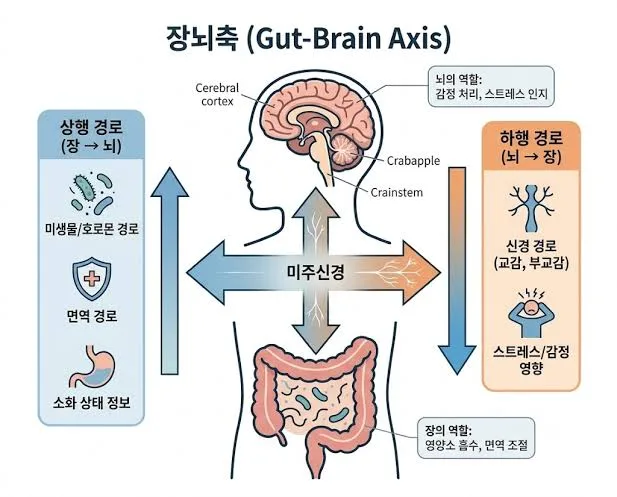
Can Brain Inflammation Cause Fatigue? Inflammation Alone Lowered Motivation
Inflammation in the body can genuinely lower mood and motivation. When healthy people received a tiny dose of a substance that triggers an inflammatory response, they felt more depressed and their brains responded less when anticipating a reward (Biological Psychiatry, 2010). People who ate more fermented foods for 10 weeks saw 19 inflammatory markers fall (Cell, 2021). But claims such as '90% of brain cells are glia' and 'leaky gut is the root cause of brain inflammation' were overstated, so I've corrected them.
10 min read Read % read -
Can Exercise Stop Late-Night Snack Cravings? A 15-Minute Walk Cut Sugar Cravings
When late-night snacks or sweets call, even a 15-minute brisk walk reduced the urge. Overweight people who walked for 15 minutes had fewer sugary snack cravings (PLoS ONE, 2015), and regular chocolate eaters ate about half as much chocolate after a walk (Appetite, 2012). But there was no evidence that short videos or late-night snacks reduce dopamine receptors. Here's my experience of swapping snacks for running, alongside the research.
9 min read Read % read -
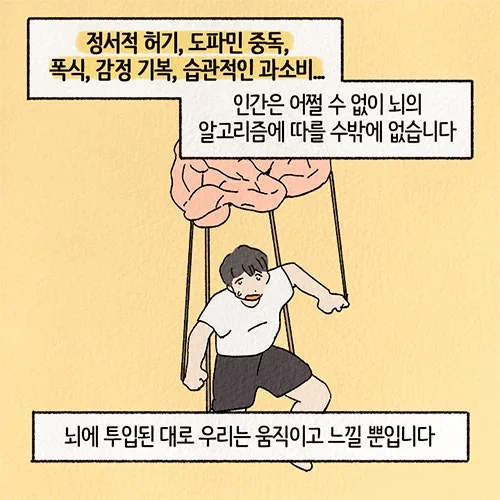
Does Mental Fatigue Make You Give Up? After 6 Hours of Focus, People Chose Instant Rewards
People who did hard mental work for over six hours built up glutamate in the front of the brain and chose immediate rewards over larger ones that required waiting (Current Biology, 2022). Mental fatigue like this may also play a part in giving up on diets and put-off tasks in the evening. Yet the brain's energy use barely rises with focus, so 'running out of fuel' doesn't explain it. Here's how to move hard decisions to the morning and set evening choices in advance.
9 min read Read % read -
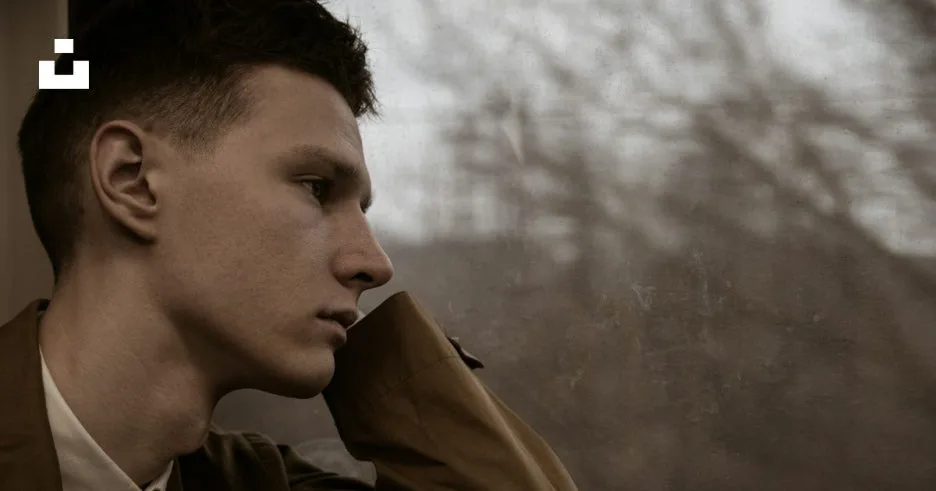
Why Do We Repeat Things We Regret? Does Naming the Feeling Help?
We repeat things we regret because brain circuits that value immediate rewards separately get in first, and hunger or anger widens that gap (Science, 2004). Simply naming the feeling in a word reduced amygdala responses (Psychological Science, 2007), and 'if X, then Y' plans and precommitment that narrows your options helped. Here's a summary, with a tool for practicing emotion labeling.
9 min read Read % read -
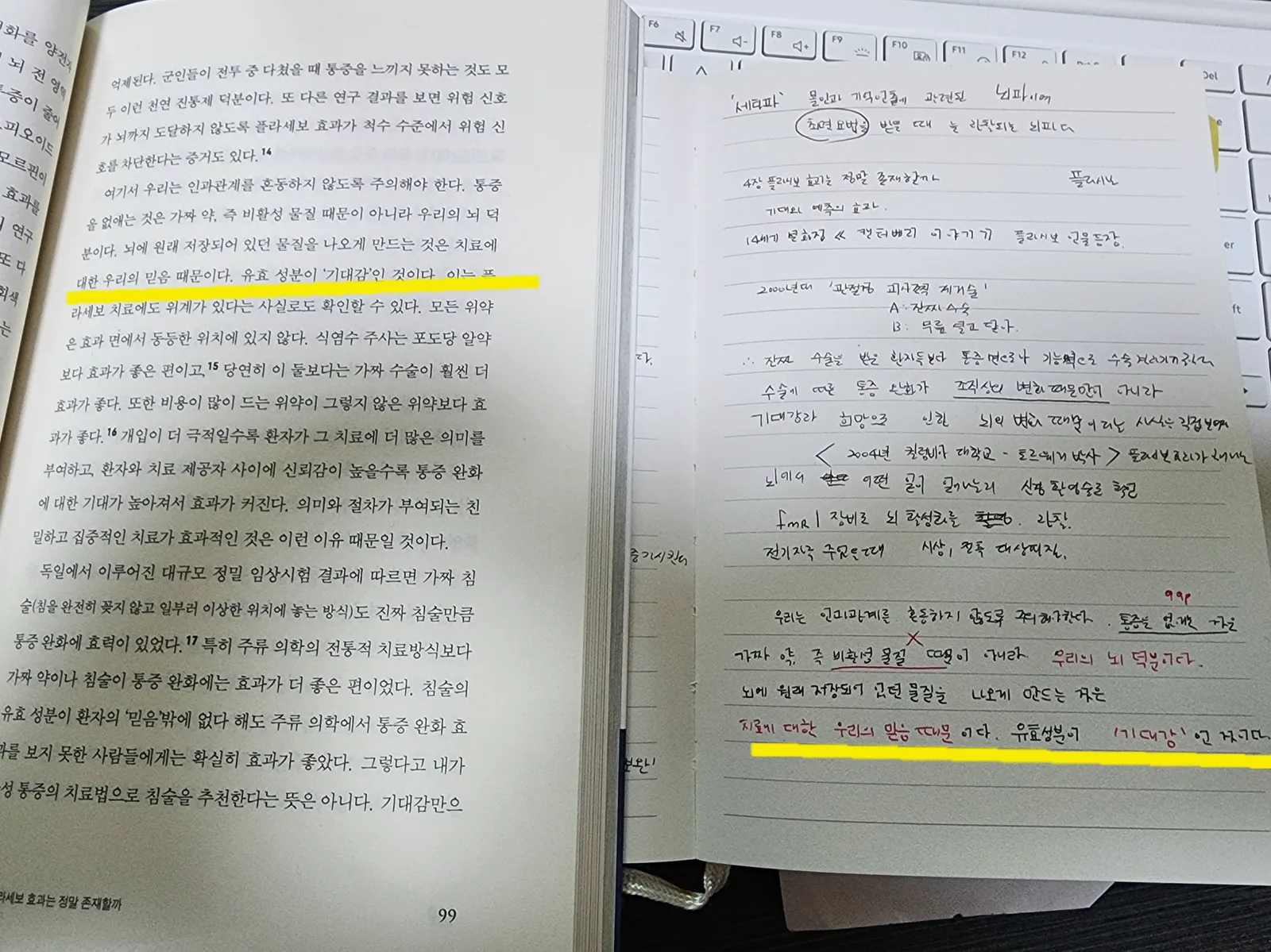
Is the Placebo Effect Real? Fake and Real Surgery Had the Same Results
Short answer: yes. Sham surgery and real knee surgery had the same results (NEJM, 2002), and expectation changed how the brain processes pain. Here is how the placebo effect works, and 3 steps for facing pain.
8 min read Read % read
No posts here yet.